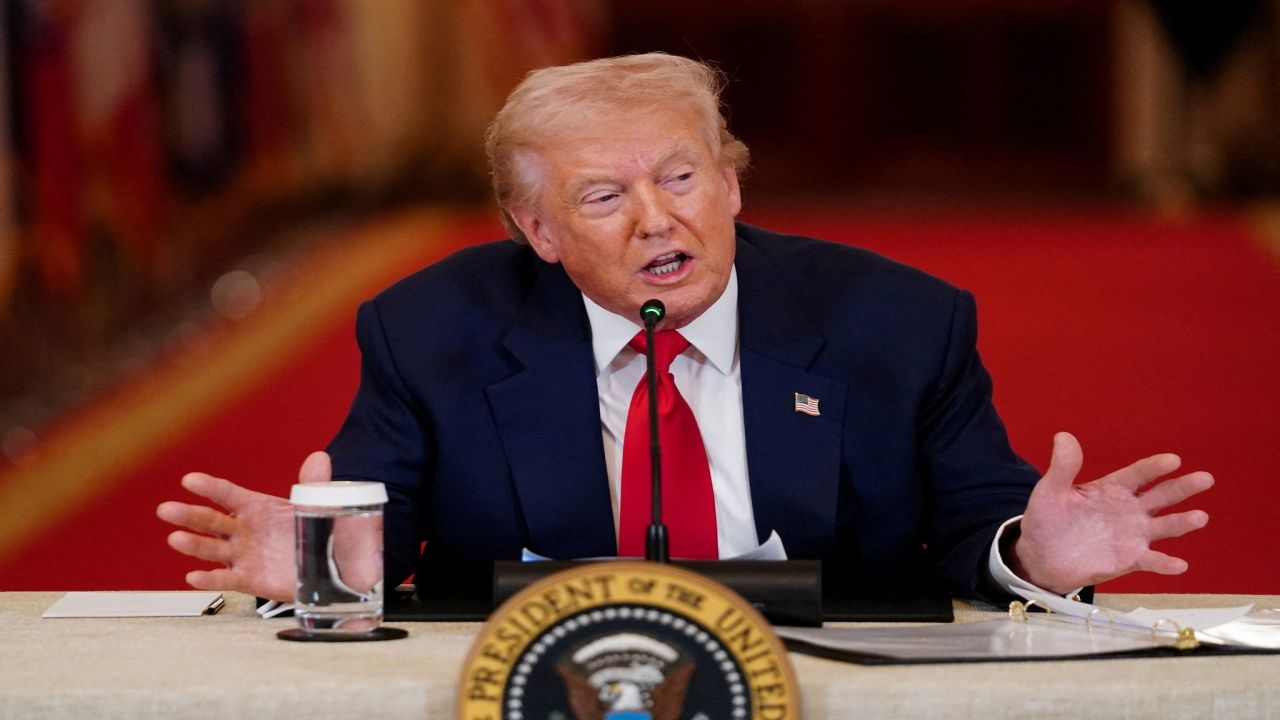
The ink on the signature wasn’t even dry before the media started calling it a "resolution." They want you to believe the 35-day shutdown of 2018-2019 was a high-stakes battle for the soul of the border. It wasn't. It was a choreographed failure. When Donald Trump signed that funding bill to reopen the Department of Homeland Security without his requested $5.7 billion for the wall, the pundits framed it as a tactical retreat or a bipartisan triumph.
They’re all wrong.
The real story isn't that the government blinked. The story is that the modern American shutdown is a massive, expensive distraction designed to hide the fact that the federal budget process has been fundamentally broken for decades. We aren't watching a clash of ideologies; we are watching a clash of administrative incompetence.
The Myth of the "Essential" Worker
During the shutdown, 800,000 federal employees went without pay. About 420,000 of them were deemed "essential" and forced to work for $0 an hour. This is where the standard narrative gets lazy. The media cries about the "cruelty" of the pay delay, while the fiscal hawks cry about the "waste" of the non-essential staff staying home.
Both sides miss the point. If 380,000 people can stop working for over a month and the republic doesn't slide into the Atlantic, why are they on the payroll at all?
I’ve spent years analyzing public sector efficiency. In any private equity turnaround, if you find a department that can go dark for five weeks with zero impact on the bottom line, you don't "reopen" it. You liquidate it. The DHS funding bill didn't "save" the government; it merely hit the "resume" button on a bloated system that proved its own redundancy during the lapse.
Security is a Budgetary Ghost
The fight was over $5.7 billion for a wall. In the context of a $4 trillion federal budget, that’s a rounding error. It’s less than 0.2%. Yet, the country was held hostage over a sum that the Pentagon frequently "loses" in accounting adjustments every fiscal year.
The "security" argument is the ultimate red herring. Real border security isn't a physical barrier or a line item in a DHS bill. It’s a function of technology, judicial resources, and economic policy. By hyper-focusing on the wall, both parties successfully avoided talking about the $100 billion plus we spend on an immigration system that remains a bureaucratic nightmare regardless of whether a fence exists.
We treat the signing of a funding bill like it’s a policy win. It’s not. It’s just the authorization of status-quo spending. Signing that bill didn't secure the border; it secured the continued employment of thousands of middle-managers whose primary job is to process the paperwork of other middle-managers.
Why the Shutdown is the New Normal
Most people ask: "Why can't they just get along and pass a budget?"
That is the wrong question. The right question is: "Who benefits from the chaos?"
The shutdown is a feature, not a bug. It’s a fundraising tool. For the GOP, it was a way to signal "toughness" to a base that equates friction with progress. For the Democrats, it was a "humanitarian crisis" they could use to paint the administration as heartless.
When the bill was finally signed, nobody actually won except the consultants. The "resolution" didn't address the underlying debt. It didn't address the structural deficit. It just kicked the can down the road to the next Continuing Resolution (CR).
The Deadly Cycle of Continuing Resolutions
We have moved away from "regular order" in Congress. We no longer pass 12 individual appropriation bills. Instead, we rely on CRs and "omnibus" packages.
- Unpredictability: Agencies can't plan multi-year projects because they don't know if they’ll have a budget in three months.
- Waste: To avoid losing money at the end of the fiscal year, departments engage in "use it or lose it" spending sprees on things they don't need.
- Lack of Oversight: Thousands of pages are dropped on desks hours before a vote. No one reads them.
When Trump signed that bill, he wasn't "funding the government." He was surrender-signing a document that guaranteed more inefficiency.
The Economic Impact is a Flat Lie
You’ll hear that the shutdown "cost the economy $11 billion." The Congressional Budget Office (CBO) loves that number. But look closer.
The CBO admitted that most of that "loss" was just delayed activity. If you don't buy a car in January because you’re a furloughed TSA agent, but you buy it in March when you get your backpay, the GDP didn't "lose" that money. It just shifted.
The real cost isn't the lost work hours. It's the uncertainty tax. Every time the government threatens to turn off the lights, the bond markets twitch. The cost of borrowing goes up. Foreign investors look at the U.S. and see a banana republic with better PR.
Signing the bill doesn't erase the uncertainty tax. It reinforces it. It tells the world that the U.S. government operates entirely on the basis of last-minute brinkmanship.
Stop Praying for Bipartisanship
The "lazy consensus" says we need more bipartisanship to prevent these shutdowns.
Wrong. Bipartisanship is how we got $34 trillion in debt. Bipartisanship is when both sides agree to fund their own pet projects by printing more money. The 2019 DHS bill was a "bipartisan" compromise that gave everyone a little bit of what they wanted while solving none of the core issues.
True leadership would have been refusing to sign anything that didn't include a total overhaul of how DHS allocates its existing billions. But that requires actual work. It’s much easier to have a public tantrum, shut down the parks, and then sign a massive check once the polling numbers dip.
The Real DHS Problem
The Department of Homeland Security is an umbrella organization that never should have existed. It’s a Frankenstein’s monster of 22 different agencies.
- Redundancy: You have multiple intelligence wings doing the same work as the FBI and CIA.
- Mission Creep: DHS has expanded into everything from cybersecurity to disaster relief, thinning out its effectiveness in any single area.
- Accountability: It is too big to be managed.
Funding this beast isn't an achievement. It’s an admission of defeat.
The Actionable Truth
If you’re waiting for the next "deal" to stabilize the country, you’re the mark. The government isn't going to fix itself through a funding bill.
- Assume the Shutdown: If you are a contractor or rely on federal services, stop expecting a "smooth" budget process. Build 20% friction into your business model.
- Watch the CRs: Ignore the headlines about "The Wall" or "The Border." Watch the Continuing Resolutions. That’s where the real theft happens.
- Demand Regular Order: Stop asking for "compromise" and start asking for individual bills. If they can’t pass a budget for the Department of Agriculture on its own merits, it shouldn't be funded.
The DHS funding bill wasn't an end to a crisis. It was a formal notification that the crisis is now permanent. The government didn't reopen; it just resumed its scheduled descent into insolvency.
Next time the lights go out, don't ask when they’re coming back on. Ask why we’re paying for the bulbs.


