In a small, quiet workshop in Nagoya, an elderly man named Hiroshi polishes a piece of precision-machined steel. He isn't making a sword, though his ancestors might have. He isn't making a car part, though that is what his tax returns say. He is making a component for a jet engine. For decades, Hiroshi’s work lived under a strict, self-imposed vow of silence. His craft stayed within Japan’s borders, or at most, contributed to "dual-use" civilian tech.
That vow just broke.
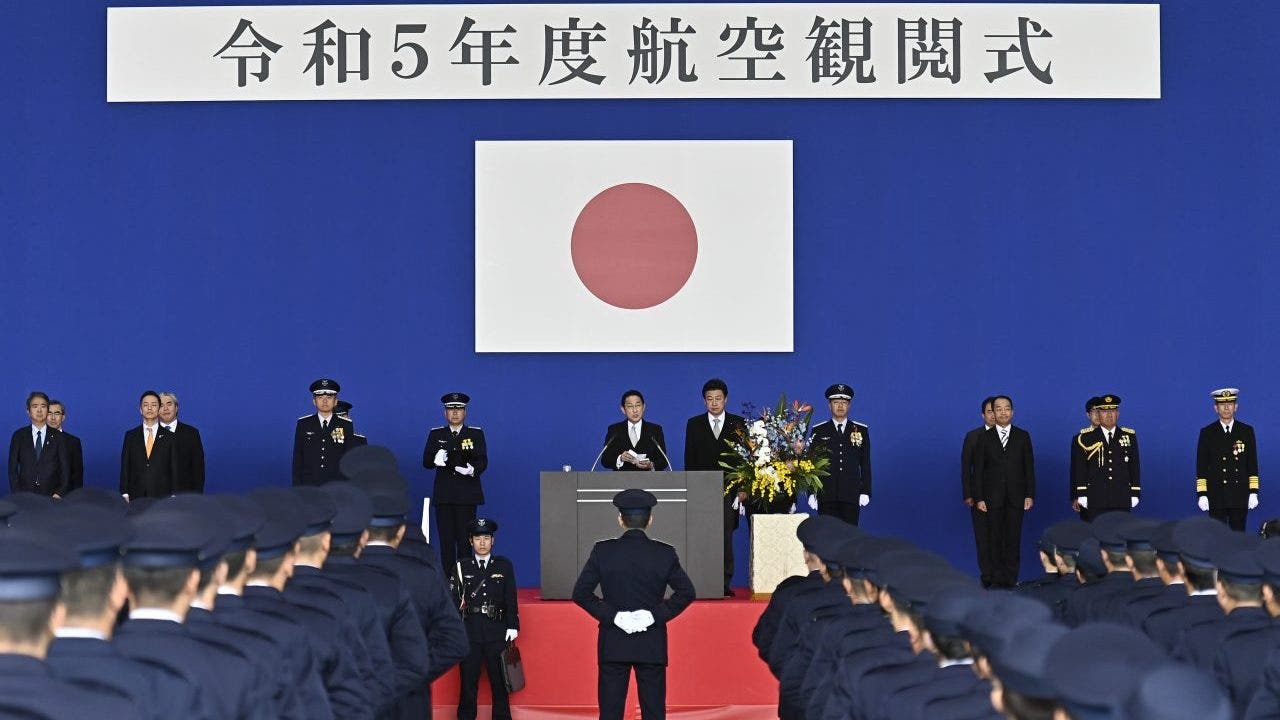
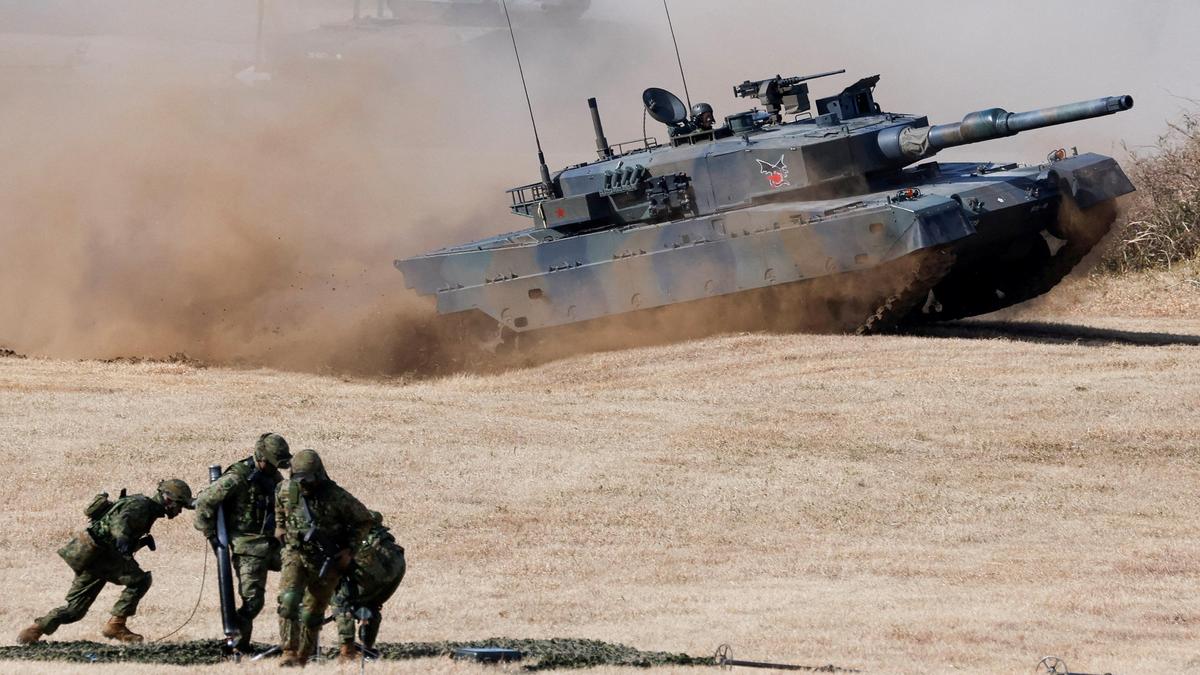
Japan has officially scrapped its decades-long ban on the export of lethal weapons, specifically starting with next-generation fighter jets developed alongside the UK and Italy. To understand why this matters, you have to look past the bureaucratic language of "security environments" and "defense architectures." You have to look at the ghost that has haunted Japanese industry since 1945.
For nearly eighty years, Japan operated under a philosophy of "proactive pacifism." This wasn't just a law; it was a national identity. The Three Principles on Arms Exports, established in 1967 and tightened in 1976, effectively turned Japan into a fortress that built its own shields but refused to sell its swords.
The world changed. The fortress felt small.
The Weight of an Invisible Shield
Imagine standing in a room where the walls are slowly closing in. To your north, a nuclear-armed neighbor tests missiles that splash into your fishing grounds. To your west, a rising superpower builds an armada that rivals anything seen since the Pacific War. You have the best technology in the world—microchips, carbon fibers, robotics—but your laws forbid you from sharing the burden of defense with your allies.
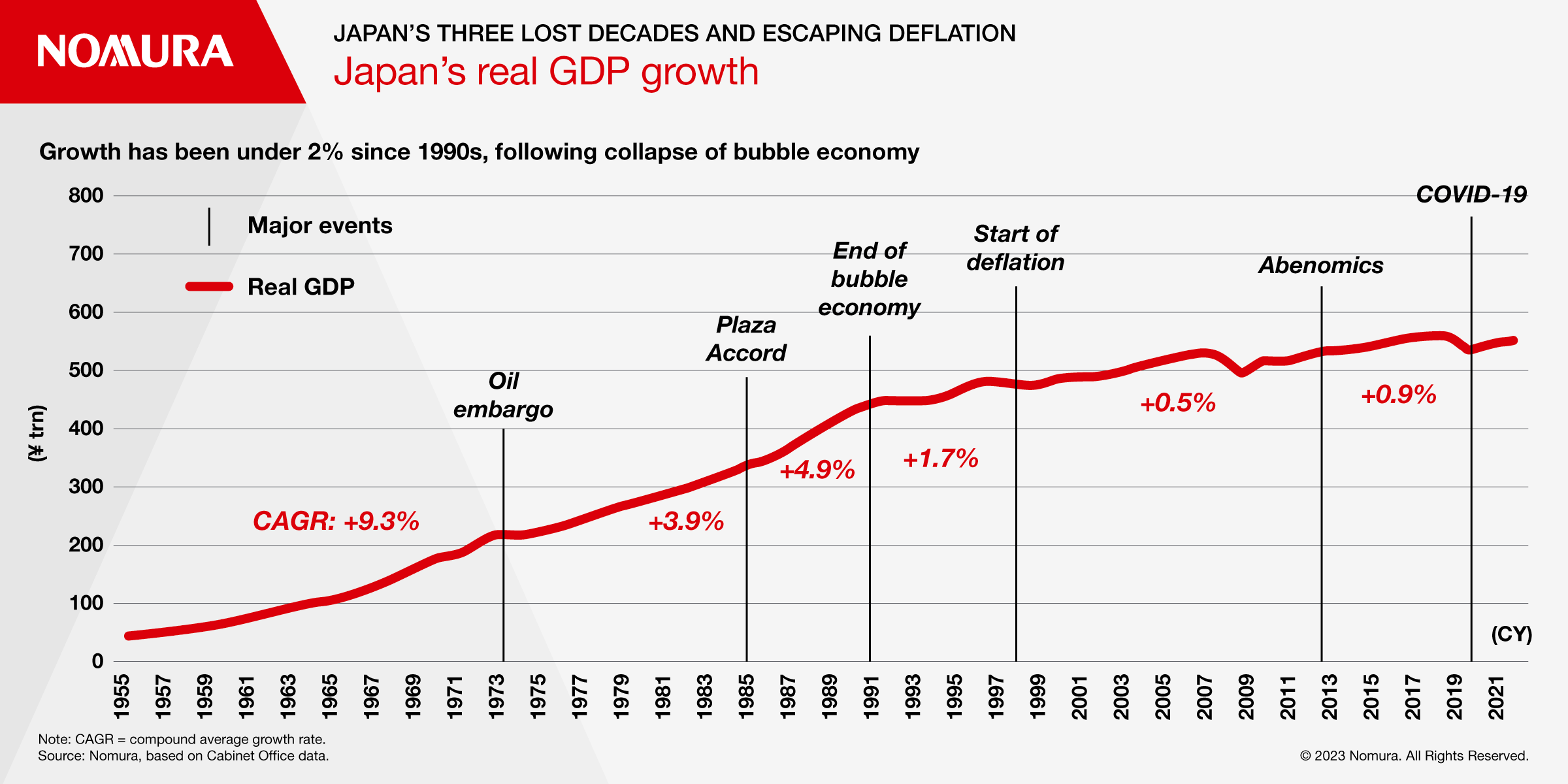
This is the tension that broke the status quo. The Japanese government, led by the Liberal Democratic Party, realized that staying "pure" was becoming a luxury they could no longer afford. The cost of developing modern defense tech is astronomical. If you only build for yourself, the price per unit skyrockets. If you can’t export, your defense industry withers.
Eventually, the shield cracks because you can’t afford to maintain it.
The decision to allow the export of the "Global Combat Air Programme" (GCAP) fighter jet is the first crack in the dam. It isn't just about selling a plane. It’s about Japan admitting that it must be an active participant in the global arms trade to survive. It’s about the transition from a nation that buys security to a nation that sells it.
The Ghost in the Machine
The pushback is visceral. Walk through the streets of Ginza or the parks of Hiroshima, and you will find people who view this move as a betrayal of the 1947 Constitution. Article 9, the famous "peace clause," is more than a legal text for many; it is a sacred promise that Japan would never again contribute to the machinery of global slaughter.
"If we sell the engines," a protester might ask, "are we responsible for where the bombs fall?"
It is a question that the government has tried to answer with a series of "strict" caveats. They claim exports will only go to countries that have signed defense transfer agreements with Japan and are not currently engaged in active conflict. But war is fluid. Today’s ally is tomorrow’s combatant. Once the tech leaves the shores of Kyushu, the control Japan exerts over it becomes an illusion.
The irony is that Japan’s "pacifism" was always subsidized by the American military umbrella. For eighty years, Japan could afford to keep its hands clean because it paid someone else to hold the broom. Now, with the U.S. pivoting its focus and demanding its allies carry more weight, the "clean hands" policy has become a strategic liability.
The Factory Floor Transformation
Back in Nagoya, the implications are more practical than philosophical. For the CEOs of Mitsubishi Heavy Industries or Kawasaki, this is a lifeline. Japan’s defense companies have been operating in a gilded cage. They produce world-class equipment—like the Soryu-class submarines, arguably the quietest diesel-electric subs on the planet—but they can’t scale.
Without scale, there is no innovation.
By opening the doors to exports, Japan is betting that its legendary "Monozukuri" (the art of making things) can dominate the defense sector the same way it once dominated consumer electronics and automobiles. They aren't just selling lethal weapons; they are selling Japanese reliability, Japanese precision, and Japanese maintenance.
Consider the logistical chain. A fighter jet is not a one-time purchase. It is a forty-year relationship. By selling these jets to the UK, Italy, and eventually other "vetted" nations, Japan is weaving itself into the literal hardware of foreign militaries. This is soft power hardened into titanium.
The Ripple in the Water
Critics argue this is a "slippery slope." First, it’s a joint-venture fighter jet. Next, it’s the components for missiles. Then, it’s the missiles themselves. They aren't wrong. The cabinet’s decision specifically amended the "Three Principles" implementation guidelines. It was a surgical strike on the legal framework that once made such sales impossible.
The regional reaction was swift and predictable. Beijing called it a "serious concern," suggesting that Japan is returning to its militaristic roots. Seoul watched with a mix of pragmatic interest and historical anxiety.
But for the average Japanese citizen, the reality is more mundane and perhaps more frightening. It is the realization that the "Post-War Era"—a period defined by a specific kind of sheltered safety—is over. The world is getting louder, and Japan has decided it can no longer afford to be the only one whispering.
There is no going back from this. Once you become an arms exporter, you become a stakeholder in the conflicts of the world. You aren't just a merchant; you are a participant. Your economy begins to beat to the pulse of global instability. When the world is at peace, your factories slow down. When the world is at war, your stocks rise.
The New Reality
The shift happened with a signature and a press release, but its echoes will be felt for generations. Japan is no longer the nation that simply manufactures the world's cameras and sedans. It is now the nation that designs the eyes of the hunter and the wings of the predator.
This isn't a "game-changer"—that's a word for people who don't understand the stakes. This is a fundamental rewiring of a national soul. Japan has looked at the map, looked at its bank accounts, and looked at its neighbors. It has decided that the cost of its conscience has become too high to pay.
As the first GCAP jets begin to take shape in the hangars, the "peace constitution" remains on paper, but its spirit has been packed away like a family heirloom that is too fragile for the modern world. The chrysanthemum, long a symbol of beauty and the imperial throne, now shares its garden with the cold, gray steel of the export-ready hull.
The silence is gone, replaced by the low, distant hum of an engine being tested for a market that Japan used to pretend didn't exist.