The earth does not announce its intentions. It simply moves.
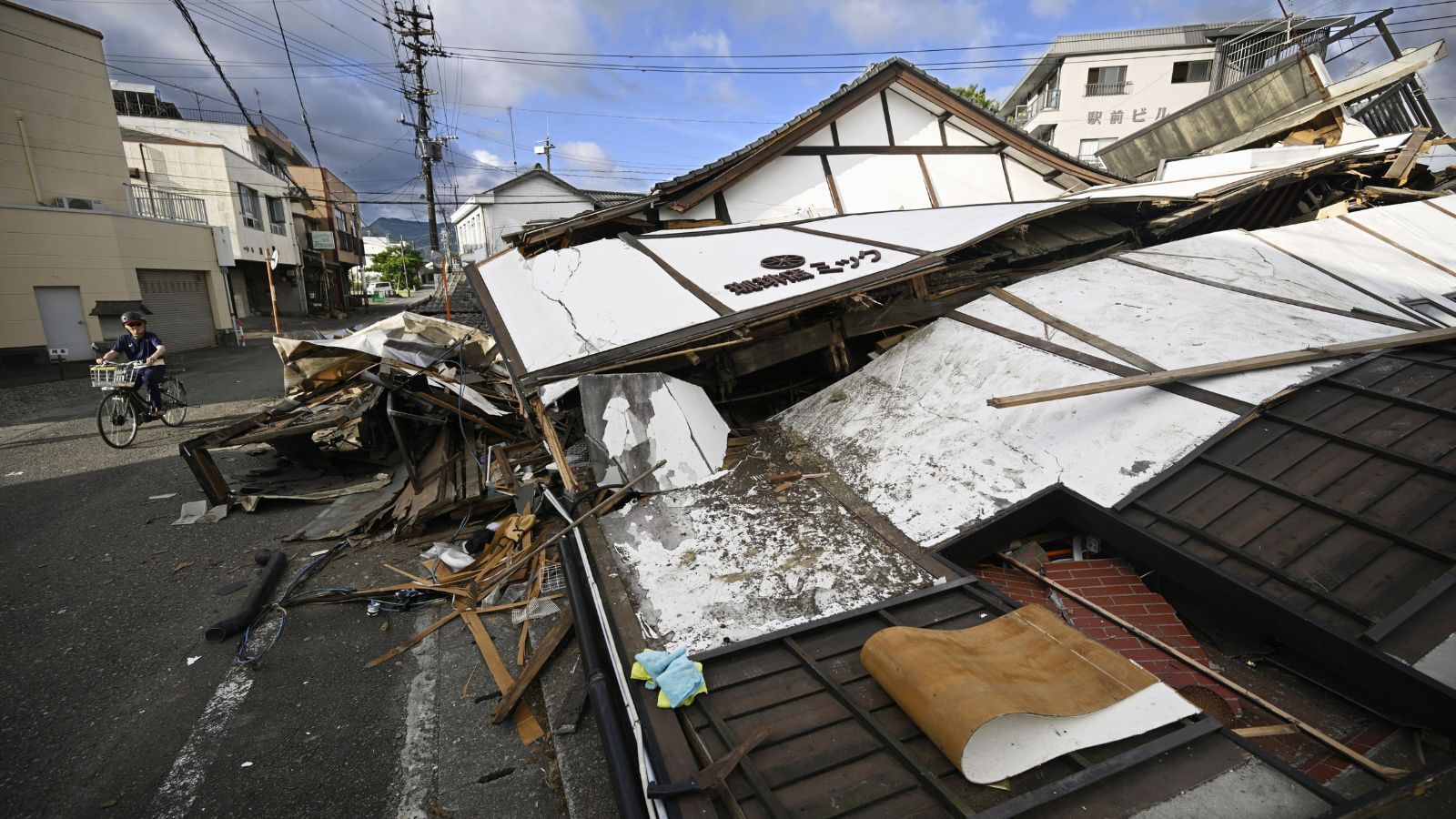
One moment, the kitchen table is a sturdy anchor of daily life, holding half-drunk coffee cups and yesterday’s mail. The next, it becomes a bucking horse, throwing objects to the floor in a chaotic clatter as the walls groan under a torsional stress they were never meant to endure. In an instant, the familiar geometry of a Japanese coastal town warps. Tile roofs slide into the streets like spilled cards. Power lines snap, whipping wildly through the grey air, spitting blue arcs of electricity before plunging neighborhoods into an abrupt, heavy dusk.
Then comes the quiet.
It is a terrible, hollow quiet. The kind of silence that follows a sudden explosion, where the ears ring with a phantom roar while the dust begins to settle. In that stillness, beneath the smell of ruptured gas lines and damp earth, the human calculation begins.
Thirteen lives. That is the number etched into the cold dispatches coming out of the disaster zones as the initial emergency assessments are tallied. Thirteen people who woke up with ordinary plans—to walk the dog, to catch the morning train, to tend a small garden behind a paper-screened window—whose stories were cut short by the violent shifting of tectonic plates. Behind that statistic lie thousands of fractured moments. Families standing behind police tape, staring at a heap of timber and concrete that used to be a home. Emergency responders tightening their helmet straps, checking their flashlights, and stepping into the unstable ruins where every shift of rubble could mean another collapse.
Search and rescue in the immediate aftermath of a major earthquake is a race against a merciless clock. The standard metric of survival, known grimly in disaster management as the golden seventy-two hours, dictates the window within which trapped individuals have the highest probability of extraction before dehydration and severe injuries claim them. But nature does not care about metrics.
Consider what happens inside the operation zones. Heavy machinery stands idle on cracked asphalt because the roads leading up the ridgelines have simply slid down the mountainside, leaving villages isolated on jagged promontories. Helicopters thump against the heavy, overcast sky, carrying medics and water, but they cannot land everywhere. Rescuers must rely on something much more primitive: bare hands, trained ears, and the loyalty of rescue dogs whose paws bleed from clambering over jagged shards of glass and splintered cedar.
(Note: The descriptions of specific rescue movements and the sensory environment of the disaster zone are drawn from historical behavioral patterns of emergency response in seismic regions like Ishikawa and Niigata, translated here into a composite narrative reality.)
The ground keeps shaking. That is the psychological cruelty of it. Aftershocks roll through the region every few hours, smaller than the main event, yet large enough to send a fresh wave of panic through the evacuation centers. In a gymnasium lit by emergency generators, hundreds of displaced residents sit on thin blue mats laid over cold wooden floors. They share small bottles of water and foil thermal blankets that crinkle with every nervous shift.
An elderly woman sits by the doorway, her hands wrapped around a paper cup of warm green tea. She is not crying. The shock has built a wall around her emotions, leaving her staring blankly at the double doors through which every new arrival is scrutinized. She is waiting for word about her son, whose phone went straight to voicemail at 3:14 PM.
This is where the true weight of a disaster lives. Not in the macroeconomic cost of rebuilt infrastructure, though billions will undoubtedly be spent, but in the agonizing limbo of the missing. Thirteen confirmed dead, yes. But the ledger remains open.
Emergency crews crawl through the cavities of collapsed wooden houses, lifting beams millimeter by millimeter. They use acoustic listening devices designed to pick up the faint scrape of a fingernail against drywall or the shallow rhythm of a trapped breath. They call out into the dark spaces.
"Is anyone there?"
Silence.
They listen. The wind rattles the loose sheets of corrugated iron remaining on a nearby roof. Somewhere in the distance, a car alarm stutters and dies.
They try again.
This work requires a peculiar brand of stubborn hope. Every rescuer knows the statistics. They know that as the hours stretch past the first full day, the odds tilt steadily toward tragedy. Yet they do not move any slower. They shore up a sagging ceiling joist with a hydraulic jack, squeeze through a gap barely wide enough for a pair of shoulders, and shine a beam into the blackness. They look for color—the bright fabric of a winter coat, the white of a hand resting against the floorboards.
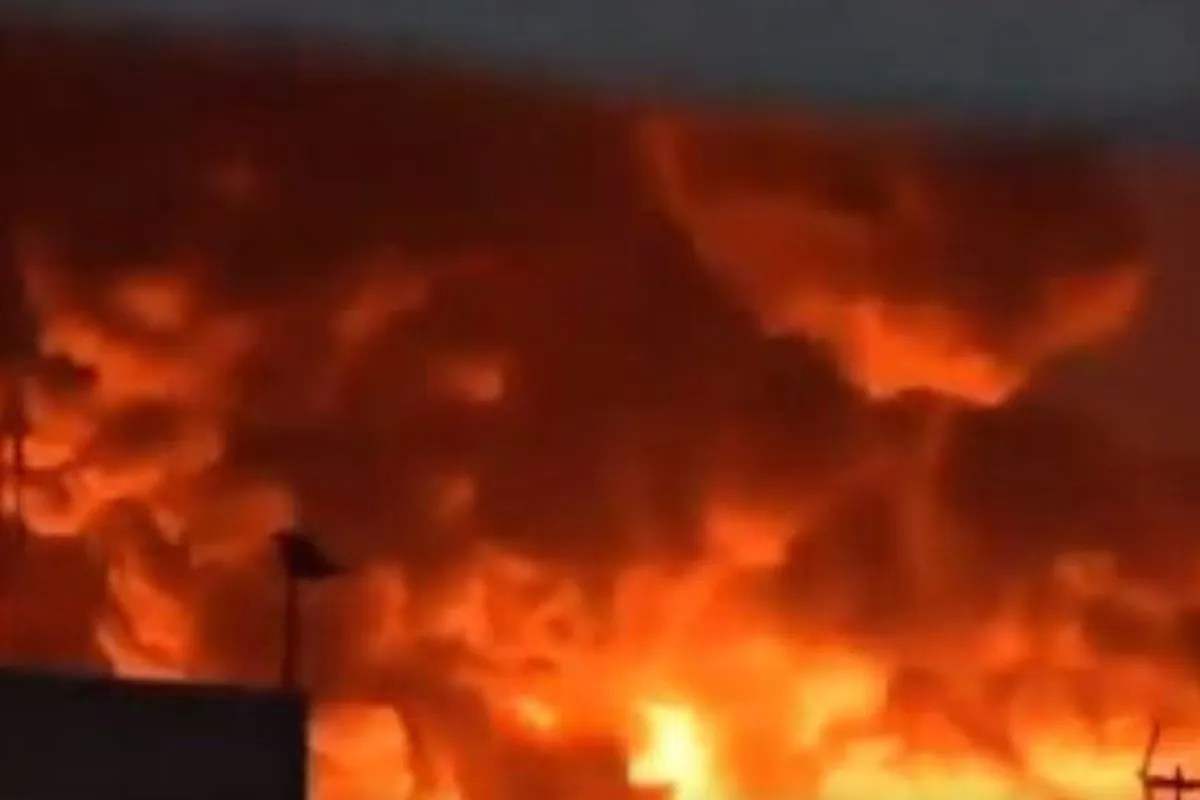
Outside, the rain begins to fall. It is a cold, persistent drizzle that turns the gray dust coating the streets into a slick paste. It seeps into the coats of the firefighters and weighs down the canvas of the command tents. It dampens the fires that had broken out in the commercial district, thankfully, but it adds a layer of misery to an already saturated landscape.
The world watches through rectangular screens thousands of miles away, scrolling past aerial shots of tilted buildings and muddy landslides between morning emails. We see the numbers tick upward. We register the human cost as a headline that scrolls across the bottom of a monitor before fading into next week's news cycle.
Yet, for those standing on the muddy banks of the peninsula, watching the heavy hooks of cranes lift debris piece by agonizing piece, time has stopped entirely.
The earth has settled back into its tectonic sleep, but the ripples continue to widen through the lives of everyone it touched. As the night deepens over the coast, the searchlights cut sharp, white paths through the drifting mist. The rescue teams keep digging, refusing to let the dark have the final word.