Foreign policy is not a group therapy session. It is not a platform for moral grandstanding or an opportunity to signal "alignment" with the loudest voices in the room. When critics like Sonia Gandhi label the Indian government’s silence on high-profile assassinations in the Middle East as an "abdication of responsibility," they aren’t just wrong—they are operating on a nineteenth-century map in a twenty-first-century minefield.
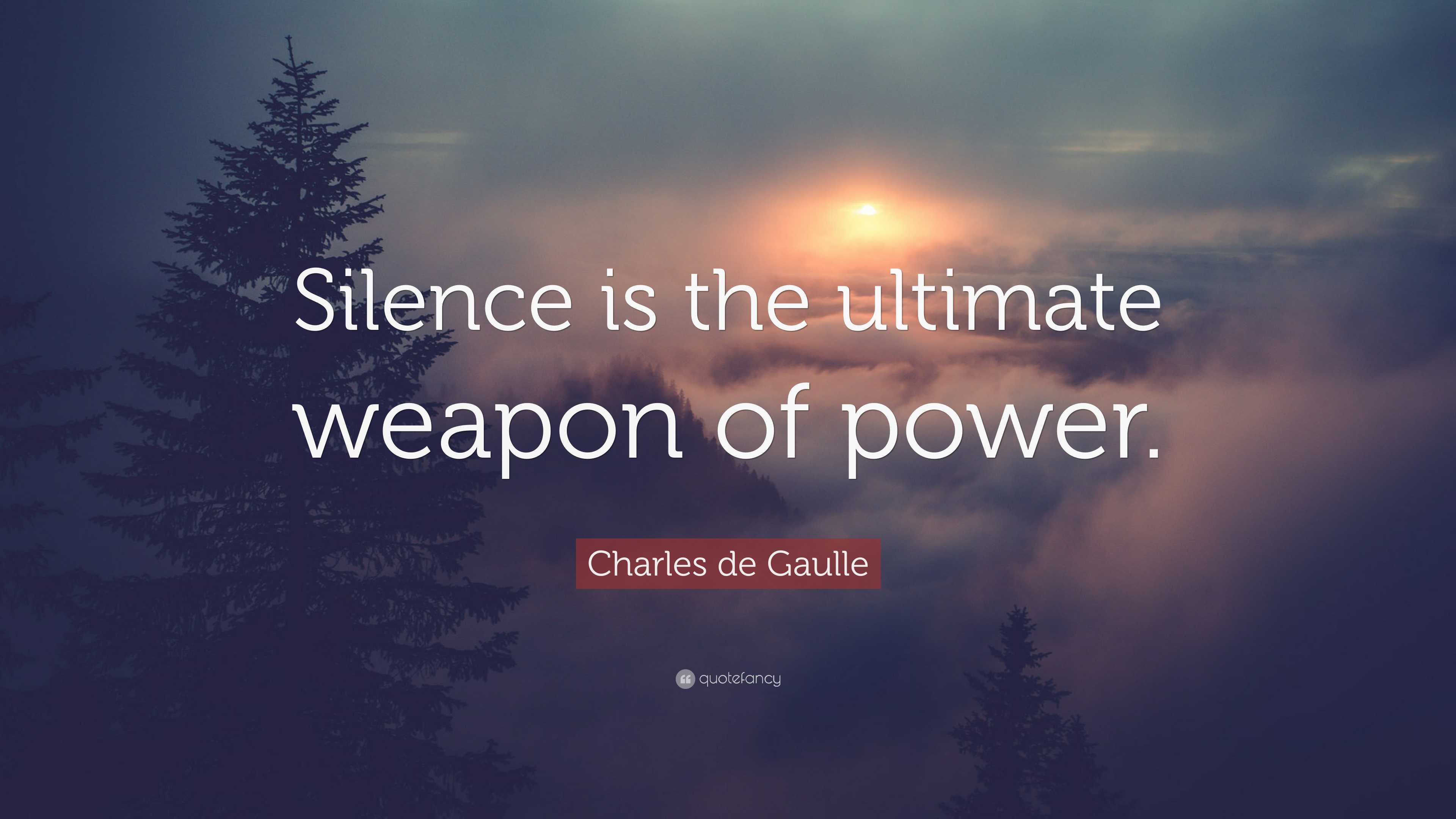
The lazy consensus suggests that a "rising power" must have an opinion on everything. The reality? True power is the ability to remain silent while everyone else is screaming. India’s refusal to condemn or condone the targeted killing of figures like Abbas Nilforoushan or Ismail Haniyeh isn't a sign of weakness. It is the calculated, cold-blooded application of Strategic Autonomy.
The Myth of the Moral Compass in Geopolitics
The argument that India has "lost its way" by not taking a definitive stand assumes that international relations are governed by a shared moral code. They aren't. They are governed by interests, energy security, and the safety of nine million Indian citizens working in the Gulf.
When a political leader calls for "clarity" in the face of the Iran-Israel escalation, they are essentially asking India to set fire to its own leverage. If India leans toward Tehran, it alienates the West and the I2U2 (India, Israel, UAE, USA) grouping. If it leans toward Tel Aviv, it risks the stability of the Chabahar Port and the crucial energy corridors that keep the Indian economy breathing.
Strategic silence is a tool, not a lapse in judgment. In the world of high-stakes diplomacy, saying nothing is often the loudest way to communicate that you cannot be bought, bullied, or baited into a conflict that doesn't serve your borders.
Deconstructing the "Abdication" Narrative
Let’s dismantle the idea that silence equals a lack of influence. The "abdication" narrative is a relic of the Non-Aligned Movement (NAM) era, where India felt a messianic urge to mediate every global dispute.
I have watched diplomats at the UN and the MEA for years. The ones who thrive are the ones who recognize that credibility is a finite resource. If you spend it on every regional skirmish, you have nothing left for the issues that actually matter—like the Line of Actual Control or maritime security in the Indian Ocean.
Critics point to India’s historical support for the Palestinian cause as a reason why it must speak out now. This is a fundamental misunderstanding of how nations evolve. You don't run a $3.7 trillion economy on the ideological fumes of 1974. You run it on diversified partnerships.
The Business of Volatility
From a business and trade perspective, the Middle East is no longer just a gas station for India. It’s a venture capital hub, a technology partner, and a logistics corridor.
- The Energy Buffer: India imports over 80% of its crude oil. A hot war between Iran and Israel would send Brent crude into triple digits. By maintaining a neutral, silent stance, India keeps the channels open with both the producers (the Arabs and Iranians) and the security providers (the West).
- Remittance Security: The $80 billion-plus flowing back to India from the Gulf is the backbone of the country's foreign exchange reserves. Any perception of "taking sides" puts that diaspora at risk.
- The Israel Tech Pipeline: India’s defense and agriculture sectors are inextricably linked to Israeli innovation. You don't jeopardize a foundational defense partnership to satisfy a domestic political appetite for "moral clarity."
Why the "Status Quo" Critics are Wrong
The "People Also Ask" circuit is currently obsessed with whether India is losing its "Vishwa Guru" (World Teacher) status by staying quiet. The premise of the question is flawed. A "World Teacher" doesn't lecture; a "World Power" acts.
Acting, in this context, means ensuring that the India-Middle East-Europe Economic Corridor (IMEC) doesn't die on the vine. To keep that project alive, India must be the only major power that can walk into a room with both Benjamin Netanyahu and the Ayatollahs—and be listened to.
If India speaks out, it becomes just another partisan actor. If it stays silent, it remains the ultimate mediator-in-waiting.
The Cost of Loudness
Imagine a scenario where India followed the advice of the opposition and issued a scathing condemnation of the recent assassinations.
- Result A: Relations with Israel chill, slowing down crucial drone and missile technology transfers.
- Result B: The U.S. views India as a "shaky" partner in the Abraham Accords framework.
- Result C: India gains... nothing. A few headlines in international newspapers and a pat on the back from the dwindling NAM gallery.
The trade-off is objectively terrible.
The Reality of Regional Hegemony
India’s neighborhood is a mess. With a volatile Pakistan and a China-aligned Taliban in Afghanistan, India cannot afford to pick fights in the Levant. The Middle East is India’s "extended neighborhood," and the primary goal there is containment, not crusade.
The government’s silence on Khamenei’s rhetoric or Israel’s tactical strikes isn't a "failure of leadership." It is a recognition that India is not yet the global hegemon. We are a "swing state" in the global order. And a swing state loses its power the moment it stops swinging and anchors itself to a single ideology.
Stop Asking for a Statement
The demand for a formal statement on every tactical event in the Middle East is a form of "Twitter Diplomacy." It’s designed for social media engagement, not for securing the nation’s future.
We need to stop asking "Why is India silent?" and start asking "What did India gain by not speaking?"
The answer is access. The answer is stability. The answer is the ability to evacuate 18,000 students from a war zone because you haven't burned your bridges with the people shooting the missiles.
The Hindu’s critique misses the pulse of modern Realpolitik. In a world of fragmenting alliances, the most radical thing a country can do is mind its own business.
Don't mistake a tactical pause for a strategic void. The Indian government isn't hiding; it’s waiting. In the grand chessboard of the Middle East, the player who makes the first move often loses. The player who refuses to play the game until the odds are in their favor is the one who eventually owns the board.
If you’re looking for a moral lecture, go to a university. If you’re looking for a roadmap to survive the upcoming decade of global chaos, watch the silence. It’s the most sophisticated policy we’ve ever had.
Would you like me to analyze the specific economic impact of the IMEC corridor on India's GDP forecasts for 2026?