The workshop floor smelled of hot copper, machine oil, and coffee that had long since surrendered its warmth. Outside, the rain drummed a relentless rhythm against corrugated steel, blurring the view of the empty highway. Inside, Marcus wiped his grease-stained hands on a rag and stared down at the small, whirring armature clamped to his workbench.
It looked simple. A maze of copper coils, magnets, and precision-engineered steel. But to anyone paying attention to the quiet shifts of global power, this little motor represented something far heavier. It represented a vulnerability we chose to ignore until the map changed.
For decades, modern industry drifted into a quiet complacency. We outsourced the tedious parts. We let the intricate, dirty, high-precision labor of manufacturing drift across oceans, chasing margins and efficiency on spreadsheets thousands of miles away. It felt harmless. Convenient, even. Why spin up local foundries when someone else could do it cheaper?
Then reality hit.
Supply chains fractured. Quiet diplomatic tensions turned into echoing chasms. Suddenly, the people building the critical components of our future weren't just business partners; they were question marks.
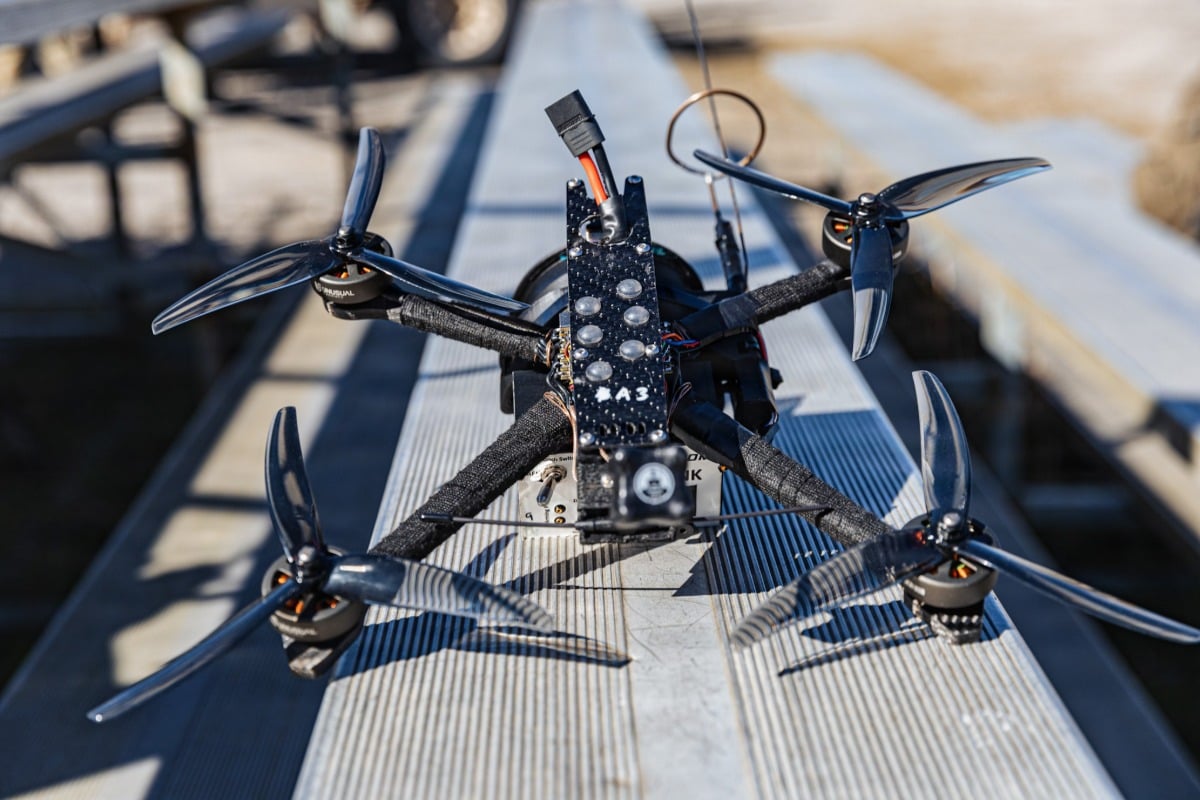
Consider the drone. To the average observer, it is a sleek, silent hunter skimming across a cloudless sky, or a nimble delivery box hovering over a suburban porch. We marvel at the software. We praise the artificial intelligence guiding its flight paths. Yet we forget the physical heart beating inside the aluminum shell. Without a motor capable of spinning thousands of times per minute without failing, without overheating, without glitching under extreme G-forces, that multi-million-dollar machine is just an expensive paperweight.
And for a long time, the United States was buying those beating hearts from everywhere except home.
This vulnerability did not happen overnight. It was built brick by brick, contract by contract, as domestic manufacturing capacity withered. Factories closed. Skilled machinists retired, taking decades of intuition and muscle memory with them. Young people were told that working with their hands was a relic of the past, that the future belonged entirely to code and screens.
We forgot how to build things. Real things. Heavy things. Things that require heat, metal, and sweat.
That is why the recent injection of eighty million dollars by the U.S. Army into domestic drone motor manufacturing is not merely a line item in a federal budget. It is an awakening. It is a frantic, necessary attempt to stitch back together a severed lifeline.
Eighty million dollars sounds like an astronomical sum to a person sitting at a kitchen table balancing bills. In the grand tapestry of defense spending, however, it is a drop in the bucket. Yet its weight is disproportionate. It represents a deliberate, hard-fought pivot toward industrial sovereignty.
To understand why this matters, step away from the abstract politics and walk back into Marcus’s workshop. Imagine trying to assemble a high-tolerance electric motor when the local supply chain for rare-earth magnets or specialized electrical steel has dried up. You wait weeks for shipments to clear customs. You hold your breath every time a geopolitical dispute flares up in the South China Sea or Eastern Europe. Every delay is a point of failure. Every dependency is a shackle.
When the military invests in building these motors on U.S. soil, they are buying something far more valuable than hardware. They are buying resilience. They are buying the guarantee that if the worst happens, if the oceans become impassable or global trade grinds to a halt, the mechanics down the road can still source a motor, wind the coils, and turn the key.
Localization is messy. It is expensive. It requires digging foundations, training a new generation of artisans, and accepting that domestic labor comes with a fair wage and environmental standards that offshore factories routinely bypassed. But the alternative is worse. The alternative is standing on the sidelines of your own security, hoping that everyone in the world remains your friend forever.
History teaches a brutal lesson to nations that forget how to make things. Empires do not usually fall because their ideas are bad. They fall because their supply chains break, their industrial base hollows out, and they wake up one morning dependent on rivals for the very sinews of their survival.
Marcus picked up a torque wrench, his thumb testing the calibration. The hum of the motor on his bench shifted pitch, smooth and steady, screaming softly into the empty room. Outside, the rain finally stopped, leaving behind the sharp, clean scent of wet asphalt and a sky slowly clearing toward the west.