A smartphone screen glows in a darkened room in Tokyo. Thousands of miles away, an electric scooter zips through the chaotic, humid streets of New Delhi. On the factory floors of Chennai, robotic arms weld together the chassis of next-generation batteries.
These everyday moments feel entirely disconnected. They are not. They are bound together by an invisible, unbreakable thread—a handful of obscure elements quietly dug out of the earth, refined in specialized facilities, and controlled almost entirely by a single nation.
When we talk about global power, we tend to think of massive aircraft carriers, sweeping trade agreements, and soaring tech valuations. But the real friction of the twenty-first century is being fought over things you can barely see. Neodymium. Lithium. Cobalt. Dysprosium. These are critical minerals, the microscopic bedrock of every clean energy technology, defense system, and digital device on Earth.
Right now, one country holds the keys to this vault. China controls the vast majority of the world’s critical mineral processing. For neighbors like India and Japan, this is not just a commercial disadvantage. It is an existential vulnerability.
The Anatomy of an Invisible Squeeze
Consider a hypothetical manufacturing executive in Osaka, whom we will call Takashi. For decades, Takashi’s company has built high-end electric motors. His engineers are brilliant, his supply chains are optimized, and his customers are loyal. Yet, Takashi wakes up every morning with a knot in his stomach.
His business relies on permanent magnets. To make those magnets, he needs neodymium. He cannot buy it from Japan. He cannot easily source it from India. He must buy it from suppliers tied directly to the Chinese industrial apparatus.
If geopolitical tensions flare, a single bureaucratic decree in Beijing could choke off Takashi’s supply overnight. This is not paranoia; it is history. In 2010, an incident near the disputed Senkaku Islands led to a sudden, unannounced freeze on Chinese rare earth exports to Japan. The Japanese high-tech sector panicked. Prices skyrocketed.
That crisis was a warning shot. Today, the stakes are exponentially higher.
The global transition to green energy has turned a steady demand into a desperate scramble. An electric vehicle requires six times the mineral inputs of a conventional internal combustion engine car. An onshore wind plant requires nine times more mineral resources than a gas-fired power plant of equal capacity.
We are attempting to rebuild the entire global economy on a foundation of minerals that we do not control.
The Indian Awakening
In New Delhi, the atmosphere is shifting from quiet anxiety to urgent action. Indian officials have watched the global commodity markets with growing alarm. The country has massive ambitions for electric mobility, solar manufacturing, and defense self-reliance. But ambition requires raw material.
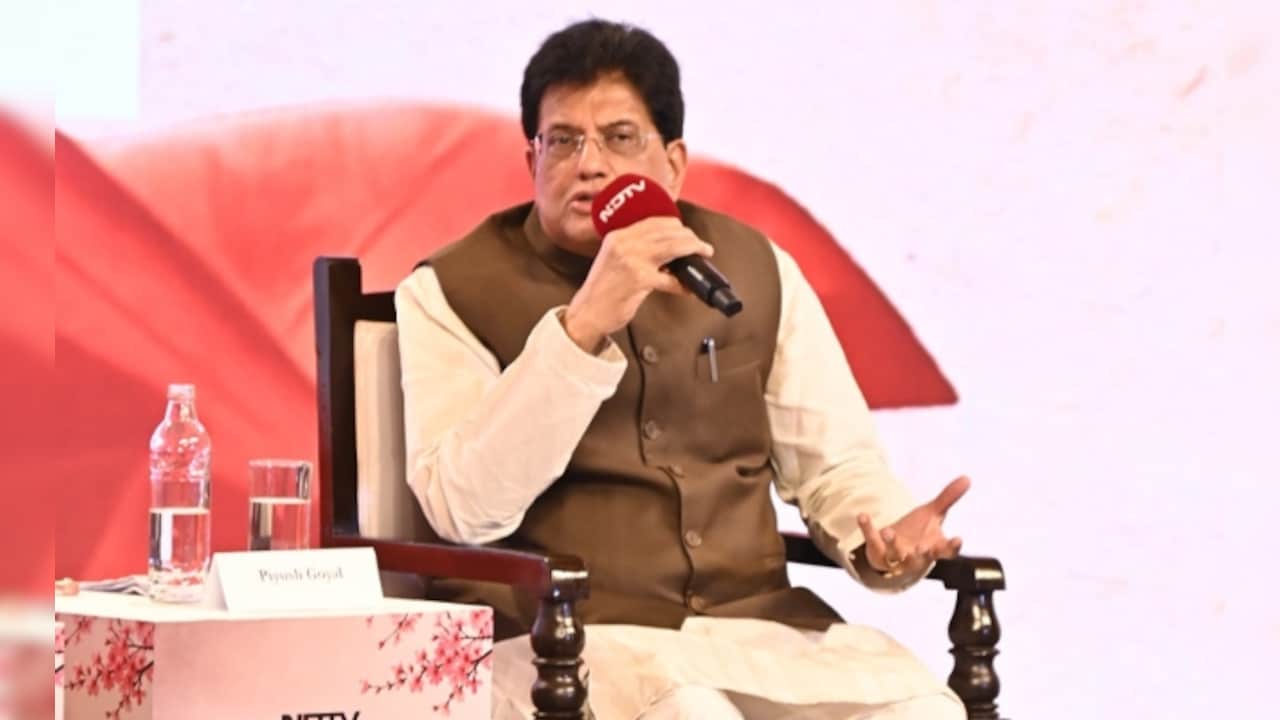
When Indian government ministers sit down with broadcasters like NDTV, the language is diplomatic but the underlying message is clear: the current status quo is unsustainable. India cannot afford to replace its historical dependence on foreign oil with a total dependence on foreign minerals.
The numbers paint a stark picture. China processes roughly 60 percent of the world’s lithium, 70 percent of its cobalt, and a staggering 90 percent of rare earth elements. Even when the raw rocks are mined in places like Australia or the Democratic Republic of Congo, they are almost always shipped to Chinese shores to be refined into usable, high-purity materials.
This creates a terrifying bottleneck.
If you control the refining process, you control the future. You dictate which countries can build factories, which companies get access to raw components, and who wins the race toward economic dominance.
India possesses its own mineral wealth, buried deep within its diverse geography. The government has recently identified dozens of critical mineral blocks for exploration and auction. There is a newfound frenzy to dig, to test, to map. But finding the rocks is only five percent of the battle.
Building the chemical refineries, mastering the toxic and complex separation processes, and training a specialized workforce takes years, if not decades. You cannot build a processing ecosystem overnight with a press release.
The Alliance of the Vulnerable
This shared vulnerability is forcing an unprecedented alignment between traditional rivals and cautious allies. Japan and India, two nations with vastly different economic structures, find themselves staring at the exact same problem.
Japan has the advanced technological know-how and the capital. India has the sheer scale, the labor force, and the raw geological potential. Separately, they are vulnerable to supply shocks. Together, they form the nucleus of a counter-strategy.
This is why we see the rise of frameworks like the Mineral Security Partnership, a coalition of nations aiming to build clean, secure, and resilient supply chains that bypass authoritarian choke points. It is why prime ministers and CEOs are holding closed-door meetings to discuss sovereign wealth investments in South American lithium brines and African cobalt mines.
But the real problem lies elsewhere. It is a question of economics.
Chinese state-backed firms can afford to operate at a loss for years to maintain market dominance. Whenever a competitor opens a new mine or refinery in the West or in South Asia, global mineral prices mysteriously plummet. The new competitor, buried under heavy debts and high operational costs, goes bankrupt. Once the threat is eliminated, prices stabilize again.
It is predatory pricing elevated to geopolitical strategy.
How do democratic nations compete with an economic model that does not answer to shareholders or quarterly profits, but to long-term national objectives?
The True Cost of Independence
To break this cycle, everyday consumers and policymakers must confront an uncomfortable truth. Securing an independent supply chain means paying more.
Refining critical minerals is a dirty, energy-intensive business. It requires harsh chemicals and produces radioactive byproducts that must be meticulously managed. In democracies with strict environmental regulations and high labor standards, processing these materials is inherently more expensive than doing so in regions where environmental degradation is brushed aside.
If India and Japan want to build an alternative supply network, they must accept higher costs up front. Governments must subsidize these industries heavily. Companies must be willing to pay a premium for "trusted" minerals rather than cheapest-available minerals.
Are we truly ready for that?
When a consumer walks into a dealership to buy an electric vehicle, they look at the price tag. They rarely ask where the dysprosium in the motor was refined. They do not think about the strategic vulnerability embedded in the battery management system.
Yet, every purchase ties us closer to the monopoly.
The Looming Choice
The race for critical minerals is not a sprint; it is an endurance trial where the rules are stacked against the newcomers.
We are living through a deceptive calm. Supply chains seem to function, factories continue to produce, and store shelves remain full. But beneath the surface, the leverage is shifting. Every single day that passes without a diversified, resilient processing infrastructure in the Indo-Pacific is a day where the monopoly grows stronger.
The ministers can give interviews, the diplomats can sign memorandums of understanding, and the engineers can draft brilliant blueprints. But until the first major refining facilities roar to life outside of China's sphere of influence—and until they can survive the brutal, manipulated swings of the global commodity markets—the future remains on lease.
The smartphone in Tokyo and the scooter in New Delhi are waiting for an answer. Whether that answer is written in Beijing, New Delhi, or Tokyo will determine the balance of global power for the next century.