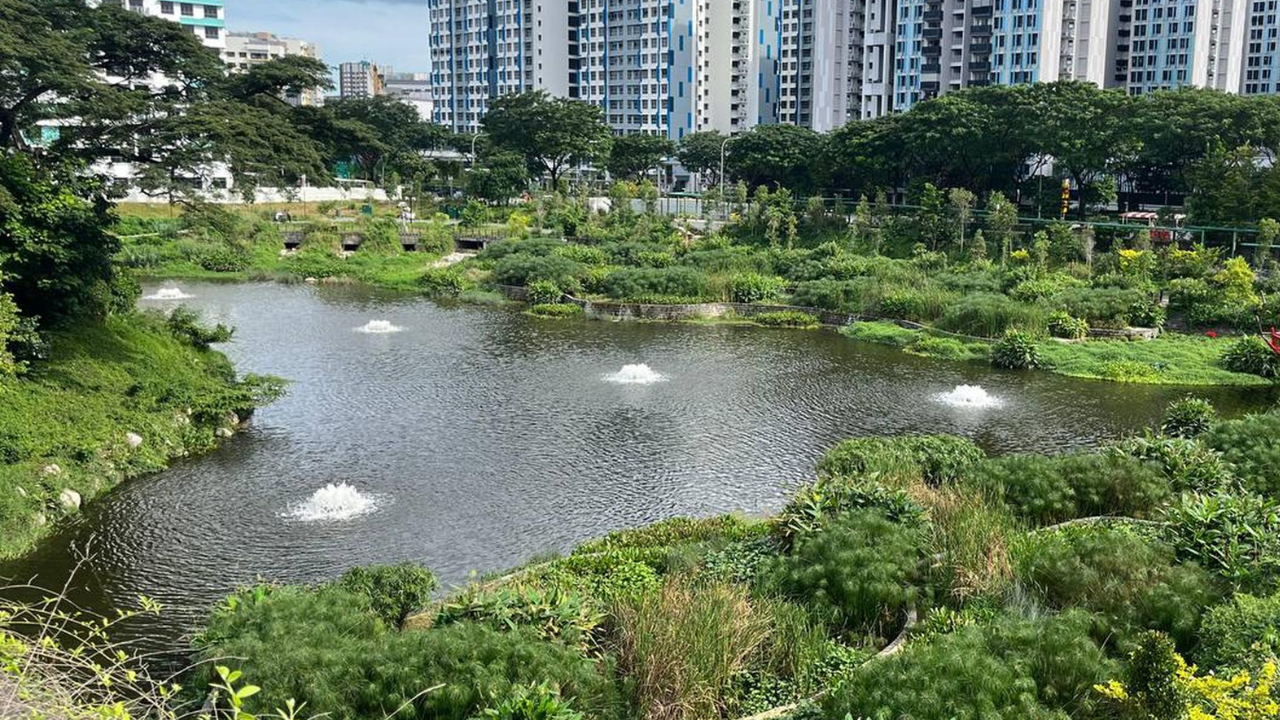
Singapore loves a good PR stunt. Drop a few million dollars on a resurrected 1920s freshwater swamp, dress it up as a wildlife sanctuary, invite the press to snap photos of otters frolicking near urban drainage canals, and watch the global media shower the island nation with praise for ecological wizardry.
I have watched urban planners blow nine figures on these vanity projects while ignoring the basic mechanics of how a dense tropical city-state actually survives a drought.
The lazy consensus says that turning concrete drains back into winding naturalistic lakes solves urban flooding while doubling as a biodiversity hotspot. It sounds wonderful on a slide deck presented at an international architecture summit. It looks great on Instagram.
It is also an engineering disaster waiting to happen.
The Great Drainage Myth
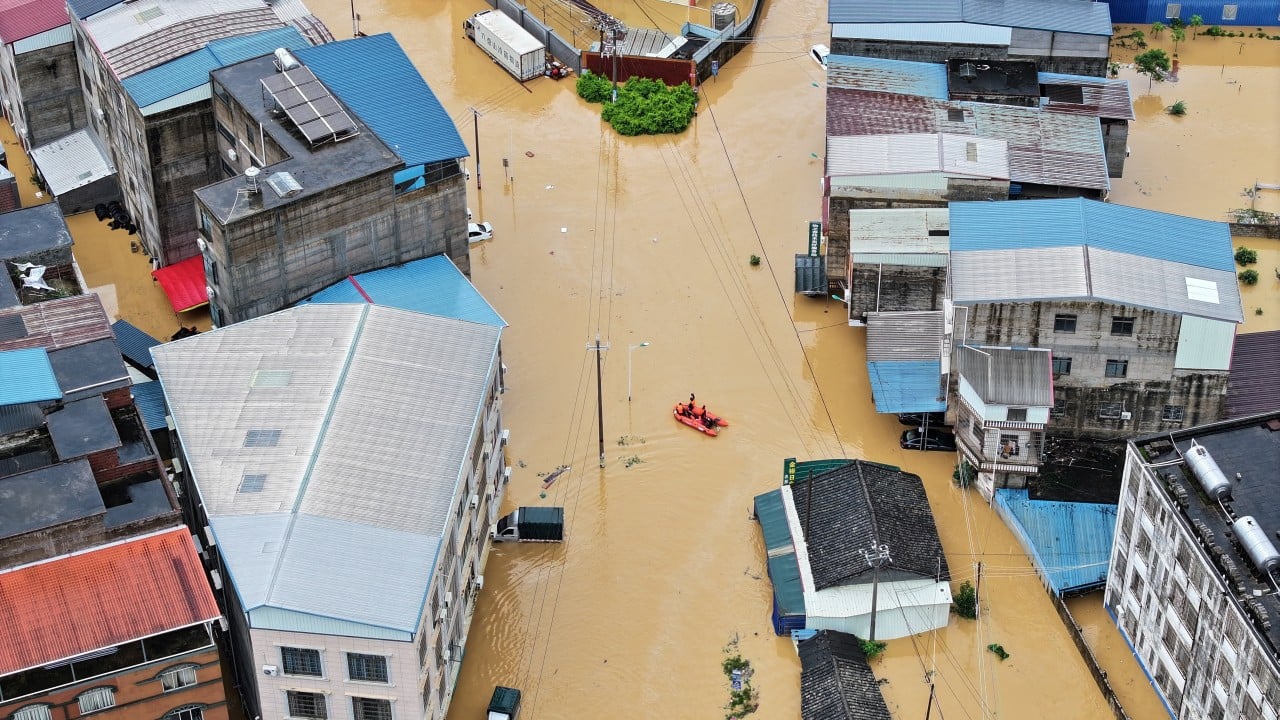
Let us look at the math that the tourist boards ignore. Singapore receives roughly 2,400 millimeters of rain annually. When the heavens open during a tropical monsoon squall, millions of liters of water crash onto asphalt, concrete rooftops, and high-rise developments in minutes.
Engineers in the mid-twentieth century did not pave over Singapore's natural streams out of sheer malice or stupidity. They did it because straight, concrete-lined channels move water out to sea with ruthless efficiency. Water hits the canal, drops at high velocity, and exits the mainland before it can pool around residential foundations.
Proponents of the recent wetland restorations argue that slowing water down with meandering green edges allows the ground to absorb peak loads. That works in rural Hampshire. In a compact, hyper-paved metropolis where concrete coverage exceeds seventy percent, slowing the water down means backing it up.
When you widen a channel into a shallow recreational lake to recreate a historical marshland, you sacrifice immediate volumetric capacity for aesthetic charm. You trade hydraulic velocity for shallow sedimentation zones. Over time, organic debris, leaf litter, and urban runoff accumulate at the bottom of these restored ponds, choking the retention capacity.
Within a decade, you have to dredge the entire basin at immense taxpayer expense just to keep the water from spilling over into nearby Mass Rapid Transit stations during a severe storm.
The Wildlife Paradox
Proponents point to the return of smooth-coated otters and various species of herons as proof of environmental triumph.
Ask any local fish farmer or residential pond owner how much they enjoy hosting those cute otters. They are apex predators introduced into an artificial, highly restricted suburban ecosystem with zero natural predators of their own. They treat ornamental koi ponds and managed municipal waterways like all-you-can-eat sushi bars.
When you artificially reconstruct a 1920s lake in the middle of a modern concrete jungle, you do not restore an ecosystem. You build a glorified municipal zoo without cages.
You create an ecological trap. Animals migrate into these narrow green corridors because urban planners planted nice native shrubs, only to find themselves trapped between six-lane expressways, high-density residential blocks, and polluted storm drains. They become dependent on artificial feeding or end up as roadkill on the Pan Island Expressway.
True conservation requires vast contiguous tracts of undisturbed land. Slapping a wetland park between two housing estates and calling it a wildlife haven is not conservation. It is green cosmetics for real estate developers looking to drive up property values on adjacent condominiums.
The Real Cost of Nostalgia
Why are we romanticizing the 1920s anyway?
In the 1920s, Singapore was a colonial trading post plagued by waterborne diseases, inadequate sanitation, and regular malaria outbreaks fueled by stagnant standing water. The original freshwater lake that these modern projects celebrate was drained for public health reasons. It was a breeding ground for mosquitoes and a persistent hazard to public safety.
Now, urban designers want to drag us backward into nostalgic romanticism because it photographs better than a well-maintained, high-efficiency subterranean retention vault.
Look at what works. Deep-tunnel sewerage systems and massive underground storage basins capture storm runoff and channel it directly to treatment plants without losing a single drop to surface evaporation or heavy siltation. That is boring engineering. It does not win design awards from European architecture magazines. It does not feature boardwalks for weekend joggers to sip artisanal coffee.
Yet, underground infrastructure keeps homes dry when a tropical downpour dumps a month of rain in two hours.
What We Should Be Doing Instead
If we want actual climate resilience, we need to stop wasting prime urban space on shallow decorative ponds that lose millions of liters of water daily to tropical evaporation.
First, mandate green roofs and vertical forests on every commercial structure, not as optional aesthetic add-ons, but as mandatory structural requirements tied to occupancy permits. Catch the water where it falls before it ever touches the street level.
Second, invest heavily in underground retention networks. Singapore is already a world leader in subterranean space utilization through the Cavern project. Why are we leaving our stormwater management exposed to the sun and tropical heat?
Third, stop pretending we can rewind the clock to a pastoral past. Singapore is a hyper-dense global economic engine. Treat it like one.
The next time you walk past a newly minted urban wetland park and admire the dragonflies skimming over the reeds, remember who is paying the dredging bill when the next monsoon hits. Stop funding real estate marketing disguised as environmentalism.