Every November, the same diplomatic theater plays out. World leaders fly into a convention center, argue over commas in a 20-page draft text until three in the morning, and announce a shiny new climate pledge that nobody knows how to pay for.
Singapore is tired of it. And honestly, they're right.
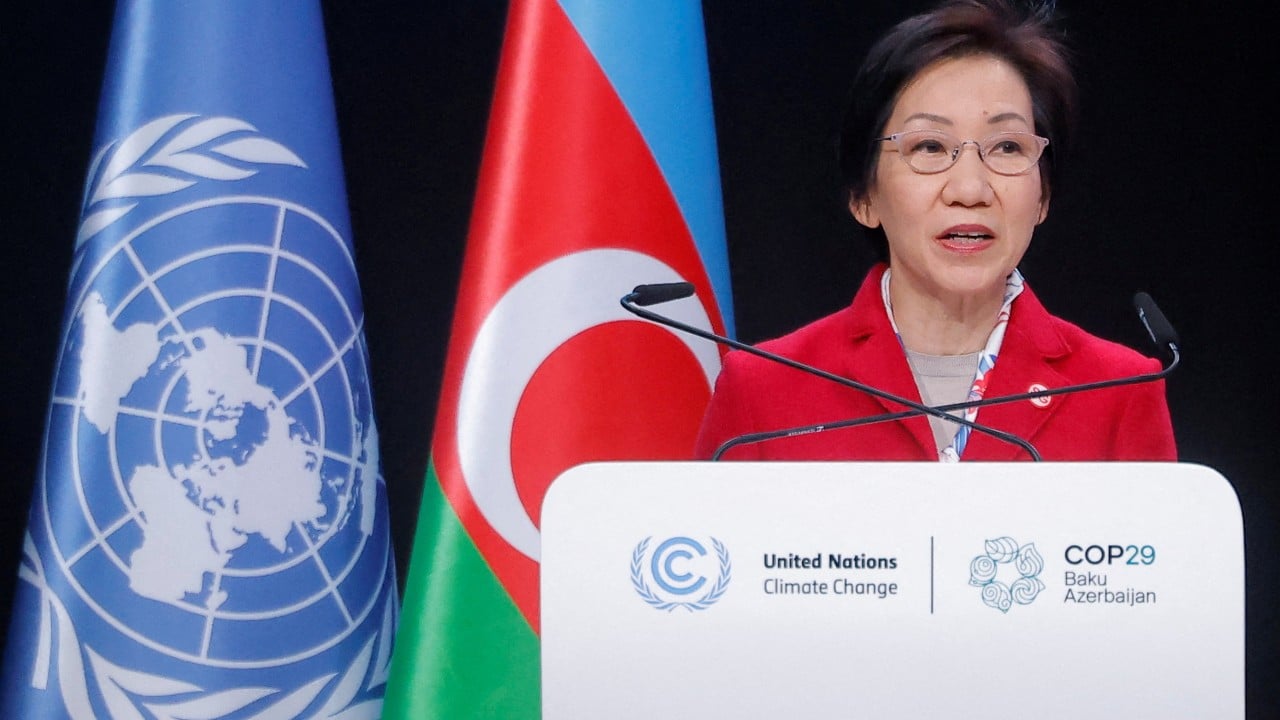
Ahead of the UN climate summit known as COP31, Singapore's Minister for Sustainability and the Environment, Grace Fu, delivered a blunt reality check to the international community. Her message wasn't wrapped in usual diplomatic fluff. She stated plainly that COP31 already has "enough to work on" without piling new headline targets onto the table.
Instead of inventing fresh promises for 2040 or 2050, countries need to actually deliver on the deals they already signed in Dubai, Baku, and Belém.
The Target Addiction Problem in Global Climate Talks
If you've followed UN climate negotiations over the past decade, you know the pattern. Every host nation wants a legacy headline. Paris had the 1.5°C goal. Glasgow had the coal phase-down. Dubai produced the historic UAE Consensus to transition away from fossil fuels. Baku fought tooth and nail over the New Collective Quantified Goal (NCQG) on climate finance, landing on a $300 billion annual floor by 2035 that left developing nations furious and wealthy nations defensive.
By the time the circus rolls around to COP31 in late 2026—a summit caught in a long-running hosting tug-of-war between Australia and Turkey—the shelf of unfulfilled promises is groaning under its own weight.
Grace Fu's argument cuts straight through the noise. Writing more ambitious targets on paper doesn't remove a single ton of carbon from the atmosphere. When negotiators spend two weeks fighting over brand-new pledges, they steal political bandwidth from the gritty, unglamorous work of implementation.
Think about what's already sitting in the COP inbox right now:
- Operationalizing the Loss and Damage Fund so vulnerable islands actually see cash in their bank accounts rather than pledges in a press release.
- Finalizing rules and cross-border registries for Article 6 carbon markets, which Singapore has spent years trying to make functional through bilateral agreements with countries like Papua New Guinea, Ghana, and Peru.
- Scaling up private-sector adaptation finance, which remains the chronically underfunded stepchild of climate investing.
- Translating the 2025 round of updated Nationally Determined Contributions (NDCs) into actual grid upgrades, industrial retrofits, and clean energy supply chains.
Adding another layer of top-level targets to COP31 doesn't accelerate any of that. It just gives governments a convenient excuse to delay hard domestic choices while claiming victory on a global stage.
Why Singapore Speaks With Unusual Credibility Here
When a major petro-state tells the UN to slow down on new climate targets, everyone rolls their eyes. You know they're protecting oil revenues. When a tiny, low-lying island nation says it, people listen.
Singapore generates roughly 0.1% of global emissions. Yet because it sits just meters above sea level in Southeast Asia, rising oceans and extreme heat hit its economy directly. The government has already committed billions of dollars to coastal protection walls, pumped drainage systems, and land reclamation elevated well above projected high-tide marks. They aren't climate deniers. They're extreme pragmatists.
Singapore also faces brutal physical constraints that larger nations love to ignore. It has no hydro rivers. It has no steady wind corridors. It doesn't have enough spare land for massive utility-scale solar farms, even after covering every available reservoir and rooftop with panels.
To decarbonize, Singapore has to rely on things that require functioning international rules rather than pretty slogans:
- Cross-border clean electricity imports. Singapore plans to import up to 6 gigawatts of low-carbon electricity from neighbors like Indonesia, Cambodia, and Vietnam by 2035. That requires subsea cables, regional grid harmonization, and long-term commercial contracts—not another UN declaration.
- High-integrity carbon credits. Because domestic abatement options are expensive and capped by geography, Singapore built its carbon tax regime (rising to S$45 per ton in 2026 and heading toward S$50–S$80 by 2030) to allow companies to offset up to 5% of taxable emissions using verified international credits under Article 6 of the Paris Agreement.
- Low-carbon hydrogen and ammonia. As one of the world's busiest maritime bunkering hubs and aviation centers, Singapore is betting heavily on alternative fuels that only scale if global safety standards and supply chains align.
From Singapore's vantage point, a COP summit that gets bogged down in ideological fights over new targets is a wasted opportunity. What businesses and ministries actually need from COP31 is technical clarity, standardized accounting rules, and de-risking mechanisms that get institutional capital moving across borders.
What Critics Get Wrong About Focusing on Implementation
Whenever someone suggests pausing new target-setting at a UN climate conference, activist groups and vulnerable nations immediately push back. Their fear is understandable. Current national climate plans still put the world on track for roughly 2.6°C to 2.8°C of warming by the end of the century, according to recent UN Environment Programme Emissions Gap assessments. By purely mathematical standards, existing pledges aren't enough to keep warming below 1.5°C.
So critics argue that stopping new targets means surrendering to climate failure.
That's a false choice. You don't close an emissions gap by writing a stricter goal on a whiteboard when you're already missing the easier goal from five years ago. If a runner is ten minutes behind pace at mile fifteen of a marathon, screaming at them to set a new world record doesn't help. Fixing their stride and hydration does.
Right now, the global climate regime suffers from an execution deficit, not an ambition deficit. Look at the numbers from the International Energy Agency:
- Clean energy investment has surged past $2 trillion annually, outpacing fossil fuel spending by nearly two to one.
- Yet 85% of that clean energy capital flows into advanced economies and China.
- Emerging markets and developing economies outside China—where future energy demand will explode—remain starved of affordable project finance due to currency risk, permitting bottlenecks, and high borrowing costs.
No new COP31 headline target will fix high interest rates for a solar developer in Southeast Asia or Sub-Saharan Africa. What fixes that is blended finance structures, standardized carbon credit methodologies, and multilateral development bank reforms. Exactly the kind of nuts-and-bolts work Grace Fu wants COP31 to prioritize.
The Hidden Trap of COP31 Politics
There's another reason Singapore's warning lands so sharply right now. COP31 already carries heavy political baggage before a single delegate arrives.
The prolonged stalemate between Australia—which campaigned to co-host the summit alongside Pacific Island nations—and Turkey over the COP31 presidency exposed deep fractures within the UN's Western European and Others Group. While diplomats spent months haggling over venue rights and diplomatic prestige, critical preparatory work lost momentum.
Add shifting geopolitical winds to the mix. With major economies juggling industrial protectionism, trade tariffs on clean tech, defense spending spikes, and energy security anxieties, the appetite for sweeping new multilateral climate commitments is near an all-time low. Trying to force a radical new target through consensus at COP31 risks blowing up the talks entirely—or producing watered-down language so full of loopholes that it weakens the Paris Agreement itself.
Holding the line on existing commitments while forcing countries to show their homework is the smarter play. Under the Paris Agreement's Enhanced Transparency Framework, nations are now required to submit Biennial Transparency Reports detailing their actual emissions inventories and progress toward their pledges. For the first time, the global community has a standardized mechanism to compare what countries promised against what they actually built.
How Business Leaders and Policymakers Should Read This Signal
If you work in corporate sustainability, energy finance, or supply chain management, Singapore's stance tells you exactly where the regulatory tide is heading over the next 24 months.
Stop waiting for COP31 to invent a brand-new framework before making capital decisions. The rules of the road are already written. Your focus needs to shift entirely toward compliance, verification, and execution:
- Audit your transition plan against existing 2030 targets. Regulators in Europe, Singapore, and across Asia are moving from voluntary disclosure rules to mandatory climate reporting aligned with ISSB standards. The scrutiny is shifting from your 2050 net-zero pledge to your 2027 capital expenditure.
- Lock in high-integrity carbon and renewable supply early. As Article 6 bilateral deals move from pilot phases into active issuance, quality credits and regional renewable energy certificates will tighten in supply. Waiting until 2028 to secure supply means paying peak prices.
- Prioritize bankable transition projects over PR commitments. Institutional lenders are increasingly skeptical of corporate pledges without grid connections, off-take agreements, or clear unit economics.
Grace Fu said the quiet part out loud. The era of winning applause for distant climate targets is over. COP31 will be judged not by what new promises get added to the pile, but by whether nations finally start building what they already signed up for.


