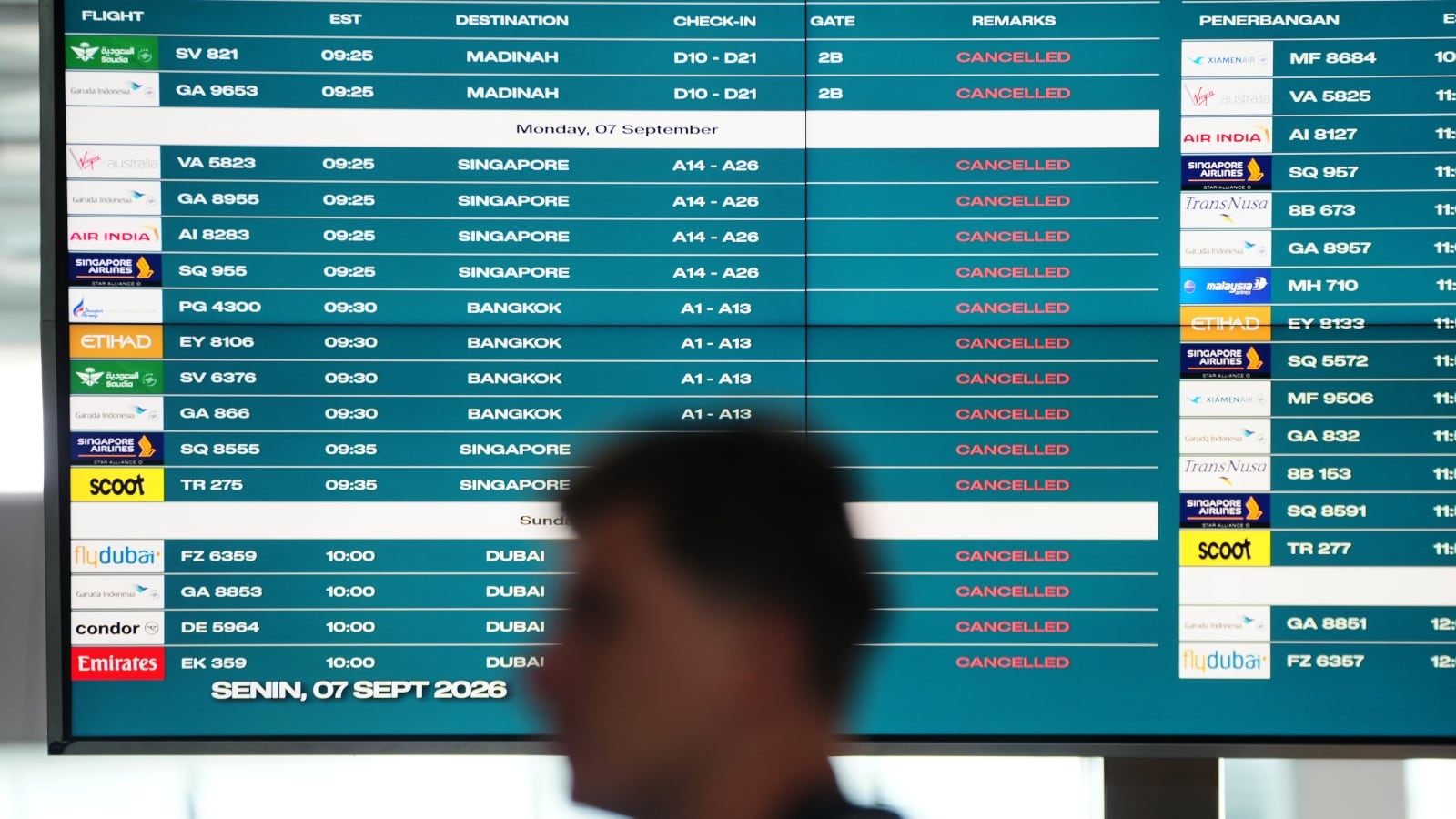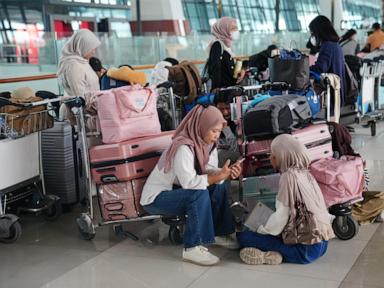
Flights to and from Indonesia’s capital have officially resumed following a paralyzing two-day shutdown triggered by the violent eruption of the Anak Krakatau volcano. Nearly 3,000 flights were grounded, leaving hundreds of thousands of passengers stranded and exposing the fragile architecture of Southeast Asian aviation logistics.
Soekarno-Hatta International Airport and Halim Perdanakusuma Airport in Jakarta, alongside several smaller regional hubs, reopened after authorities cleared thick layers of volcanic ash from critical runways. Yet, this quick return to normal hides a more aggressive reality. The Pacific Ring of Fire does not negotiate schedules, and the recent crisis is merely a preview of structural vulnerabilities that modern carriers refuse to fix.
The Invisible Saboteur Inside Jet Turbines
Volcanic ash is not soft dust. It is pulverized rock, glass, and mineral crystals born from subterranean heat. When an aircraft ingests this material at cruising altitude, the catastrophic mechanics begin immediately. Jet engines operate at temperatures exceeding the melting point of silicate rock. Upon entry, the ash melts in the combustion chamber, flows into the turbine sections, and resolidifies on cooling components.
Power drops. Airflow chokes. Engines flame out.
Commercial aviation learned this lesson through terrifying historical precedents. In 1982, a British Airways Boeing 747 flew straight into an unmapped ash cloud from Mount Galunggung in Indonesia, losing all four engines in the dead of night. The crew glided the aircraft out of the ash plume and managed a miraculous restart just before impact. Modern flight management systems exist precisely because of those harrowing minutes.
That history explains why Indonesian transport authorities reacted with immediate, uncompromising severity when Anak Krakatau began spewing ash columns soaring up to 50,000 feet. A single microscopic particle of volcanic glass can pit windshields, sandblast fuselage paint, and clog pitot-static tubes, blinding flight instruments. Safety protocols demand zero tolerance. Still, the economic fallout cascades instantly across the archipelago.
The Economic Shrapnel of Grounded Fleets
An island nation of more than seventeen thousand islands depends entirely on aviation as its primary circulatory system. When Jakarta goes dark, the economic pulse stutters. More than 341,000 travelers felt the impact of the recent two-day halt, which crippled domestic and international logistics.
Airlines absorb staggering losses during these closures. Unplanned aircraft repositioning, mandatory engine borescope inspections, passenger accommodation, and ticket refunds bleed carrier balance sheets. Low-cost carriers, operating on razor-thin margins, absorb the heaviest blows. When an aircraft sits idle on a tarmac in Tangerang instead of rotating through regional domestic routes, profitability evaporates.
Ground infrastructure takes a beating, too. Cleaning abrasive ash from millions of square meters of asphalt requires specialized sweeping equipment and hours of manual labor. Even after the official reopening, carriers deal with rolling delays as flight crews find themselves stranded thousands of miles away from their assigned rosters.
Living on the Rim of Fire
Geological inevitability clashes daily with commercial expansion. Anak Krakatau sits in the Sunda Strait between Java and Sumatra, an active reminder of the legacy left by its catastrophic predecessor in 1883. It has been restless for years, frequently shifting between alert phases without warning.
Meteorological agencies track wind vectors with high-resolution models, yet predicting ash drift remains an imperfect science. Wind directions change mid-troposphere, turning a safe corridor into a hazard zone within hours. Transport Minister Dudy Purwagandhi noted that authorities opted for a cautious reopening specifically because atmospheric currents fluctuate unpredictably.
Aviation planners want precise predictability. Geology refuses to offer it. As long as mega-cities like Jakarta expand in the shadow of active tectonic boundaries, the aviation sector will remain hostage to subterranean volatility. Flights may have resumed today, but the next eruption is not a question of if, but when.