Walk into a sleepy Central European valley with rusty steel mills and decades of muscle memory, and you might find the backbone of Europe's rearmament push. That sounds dramatic. It is also basically what's happening with Slovakia ammunition production.
When Russia launched its full-scale invasion of Ukraine in 2022, Western defense planners suddenly realized something embarrassing. Decades of peacetime budgeting had left European stockpiles thin and factories slow to scale. Shells that militaries expected to burn through over years were getting fired in weeks. Suddenly, a quiet country of roughly 5.4 million people—sitting right on Ukraine's western border—became central to a continent-wide scramble for artillery rounds, propellants, and heavy ordnance.
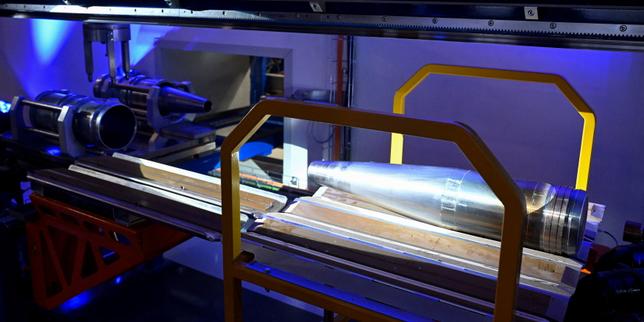
You can't just click a button and double artillery shell output overnight. Trust me, anyone who has watched industrial supply chains buckle knows how deceptive that sounds on paper. A finished artillery shell isn't a single chunk of stamped metal; it's a high-precision chain involving forged steel casings, explosives, propellants, primers, fuses, and strict quality testing. If one bottleneck holds up the line, the whole factory slows down.
How Slovakia Became a Heavyweight in European Ammunition Production
To understand why Slovakia ammunition production attracts so much attention, you have to look back way past recent headlines. Slovakia isn't a random new entrant that woke up after 2022 and decided to weld some shells together. Heavy engineering and defense manufacturing have been woven into its industrial DNA for generations, stretching back through the Czechoslovak era and earlier industrial traditions in regions like Dubnica nad Váhom and Snina.
When former Czechoslovakia split in 1993, a large share of the heavy arms and machinery base ended up in Slovakia. For years afterward, defense output shrank sharply as Cold War tensions cooled and budgets tightened. Plenty of skilled machinists, metallurgists, and engineers stayed in the region anyway, keeping specialized knowledge alive even when order books looked thin.
Honestly, that surviving human capital is what separates a real industrial hub from a press release. You can buy new presses and automated lines—and companies are doing that—but finding people who know how to run heavy forging equipment safely, troubleshoot tolerances, and manage hazardous materials without cutting corners takes years. When European defense demand spiked, Slovakia already had a foundation that many wealthier countries had let wither.
Companies operating in the country—including state-backed and private defense players such as MSM Group (part of the Czechoslovak Group) and ZVS holding—have been tied to expanding shell production, artillery systems, and related defense manufacturing. Rather than starting from scratch, they've been scaling existing industrial sites, adding lines, and tapping into European demand and funding mechanisms aimed at boosting ammunition output.
Shells, Propellants, and the Real Bottlenecks Behind the Numbers
Politicians love round numbers. You'll hear targets for hundreds of thousands or millions of shells, followed by triumphant speeches about industrial momentum. In practice, defense industrial policy is messy, slow, and unforgiving.
Let's break down what actually slows down Slovakia ammunition production and European shell manufacturing more broadly:
- Raw materials and explosives: Forged steel is only step one. Getting enough TNT, RDX, or other energetic materials and propellants has been one of the tightest pinch points across Europe, not just in Slovakia.
- Machining and tooling lead times: Heavy lathes, forging presses, and specialized inspection gear aren't sitting on shelves waiting for next-day delivery. Lead times for industrial machinery can stretch for months or years.
- Permitting and safety rules: Making explosives and munitions isn't like opening a packaging plant. Environmental assessments, safety perimeters, and regulatory approvals take time, even when governments want things moving fast.
- Skilled labor and shifts: Running multi-shift production requires trained operators, quality assurance engineers, and maintenance crews who can keep complex lines running without constant breakdowns.
I've seen plenty of observers treat shell counts like scoreboard points in a football game. That misses the point. A factory's announced capacity isn't the same as shells delivered to a depot, and ramping up output while maintaining strict safety and quality standards is a grinding operational challenge.
What Slovakia's Heritage Actually Gives It—and Where the Limits Are
There's a romantic streak in saying a country is leaning on the legacy of its ancestors. In defense manufacturing, heritage only gets you so far. Old factories can be an asset when they come with rail links, industrial zoning, and local technical know-how. They can also be a headache if buildings are dated, energy costs fluctuate, or infrastructure needs heavy upgrades.
What Slovakia genuinely brings to the table is a mix of geographical proximity to Eastern Europe, established defense industrial sites, and a workforce familiar with heavy mechanical engineering. For European governments trying to shorten supply lines and diversify away from over-stretched suppliers, having active manufacturing capacity inside the EU and NATO orbit matters a great deal.
At the same time, it's worth being clear-eyed about limits. Slovakia is a small economy. It doesn't have endless domestic capital on its own to bankroll massive multi-year industrial expansions without partnerships, export contracts, or EU-level support such as the Act in Support of Ammunition Production (ASAP). Political shifts in Bratislava and across Brussels can also affect tone, diplomatic alignment, and how smoothly cross-border projects move forward.
Even when politics get noisy, commercial and industrial realities tend to push hard in their own direction. Defense contracts span years, factories require steady orders to justify capital spending, and allied militaries still need reliable supplies.
Common Misconceptions About European Shell Manufacturing
People outside the defense sector often picture ammunition factories as giant warehouses where workers pull levers and boxes of shells roll out endlessly. Reality is much more segmented and technical.
First, one facility rarely does everything from start to finish. Different sites often handle forging, machining, filling, or assembly, and components may move between locations or even across borders before a round is complete and ready for use.
Second, scaling up isn't linear. Going from one shift to two or three shifts sounds simple until you factor in equipment wear, maintenance windows, safety checks, and worker fatigue. Pushing machines past sensible limits just causes breakdowns and delays.
Third, money doesn't instantly equal output. Announcements of grants or contracts grab headlines right away, while physical construction, machine installation, calibration, and qualification testing happen quietly over quarters.
Practical Ways to Track This Topic Without Getting Fooled by Headlines
If you follow European defense industry news—whether for business, policy research, or plain curiosity—you can separate real progress from hype pretty easily.
- Look for finished deliveries, not just pledges: Pay attention to actual deliveries and commissioned production lines rather than aspirational targets or memorandums of understanding.
- Watch the upstream inputs: Stories about propellant shortages, raw steel costs, or new explosive-filling lines tell you far more about real bottlenecks than broad speeches do.
- Check EU and NATO procurement frameworks: Track how joint procurement initiatives and funding programs translate into signed industrial contracts and factory expansions.
- Follow regional industry reporting: Local and Central European business outlets often catch permitting updates, site expansions, and supply-chain moves before they become big international stories.
Slovakia didn't stumble into this role by accident, nor will industrial history alone solve every supply challenge ahead. Real output comes down to steel, chemistry, engineering discipline, and steady execution day after day.