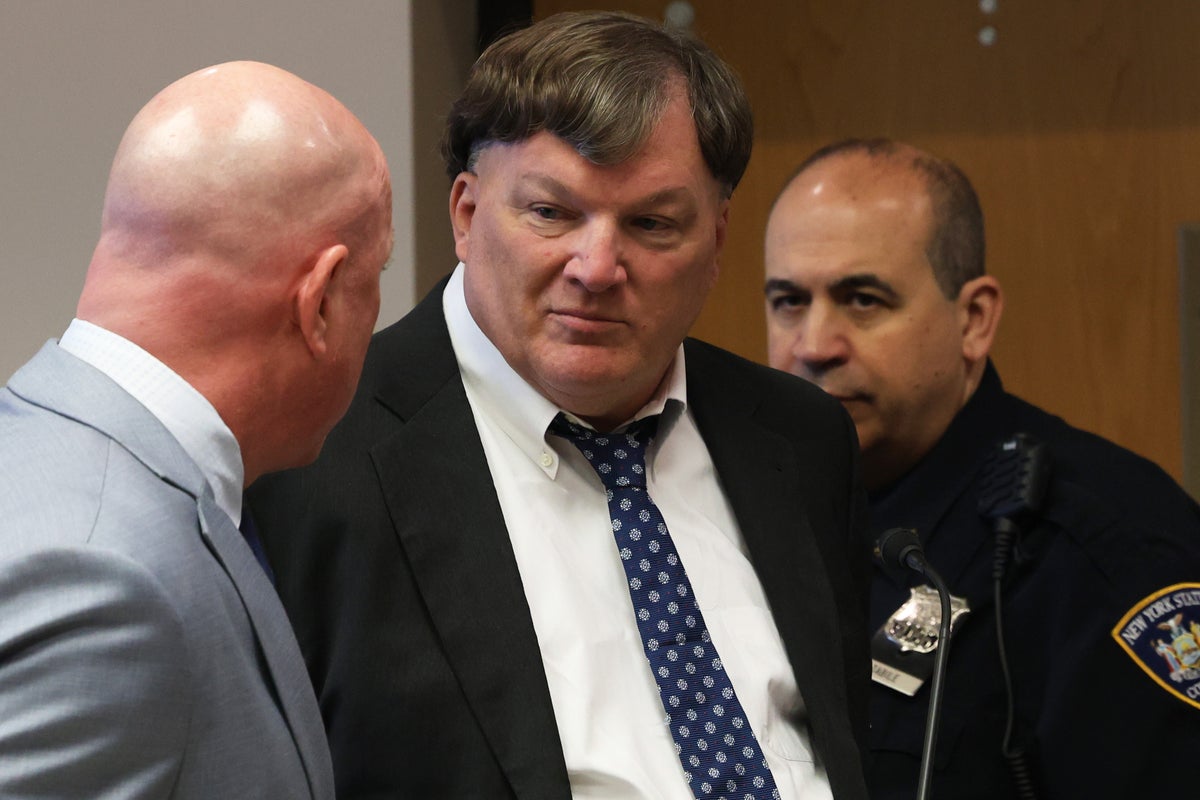
Rex Heuermann finally admitted to being the Gilgo Beach serial killer. The headlines are predictably identical. They scream about "closure." They bank on the word "solace." They paint a picture of a legal system that, while slow, eventually delivers a clean ending for the families of the victims.
It is a comforting narrative. It is also a total fabrication.
Calling a plea deal "justice" is like calling a bandage a cure for a severed limb. We are watching a high-stakes negotiation where the state trades truth for efficiency, and we have the audacity to tell the grieving that they should feel relieved. This isn't a victory for the victims. It is a tactical retreat by a justice system that spent over a decade fumbling the ball, now dressing up a confession as a gift.
The Myth of Closure
The word "closure" is a psychological phantom. It doesn't exist in the context of losing a daughter, a sister, or a mother to a predator. Ask any veteran homicide investigator who has stayed in touch with families long after the cameras leave. The "solace" described in press releases is a temporary adrenaline spike. Once the gavel falls and the news cycle shifts to the next atrocity, the void remains.
By framing these pleas as a source of peace, the media does a massive disservice to the survivors. It creates a social expectation that they should now be "fine" because the bad man said he did it. It’s a societal shrug. We want them to feel better so we can stop feeling uncomfortable about the reality of the Gilgo Beach investigation’s early failures.
Efficiency is Not Justice
Let’s be brutally honest about why Rex Heuermann is pleading guilty to killing eight women. It isn't because he found God or developed a conscience. It’s a transaction.
In the American legal system, a plea deal is a tool used to avoid the "risk" of a trial. But what is that risk, exactly?
- The risk of a jury seeing the evidence?
- The risk of the defense exposing procedural errors during the long years this case sat cold?
- The risk of the public seeing exactly how many opportunities were missed to catch him sooner?
When a serial killer pleads, the state saves millions of dollars in trial costs. They avoid the grueling process of witness testimony and the potential for a mistrial. They get a guaranteed win. In exchange, the public loses the right to a full, transparent accounting of the crimes. We get a sterilized version of the truth, curated by lawyers to fit the parameters of a sentencing agreement.
I’ve seen cases where "solace" was the branding, but "budgetary constraints" was the reality. If we valued the victims as much as the press conferences suggest, we would demand the full transparency of a trial, regardless of the cost.
The Serial Killer as a Negotiator
There is something inherently stomach-turning about a monster like Heuermann being allowed to negotiate the terms of his own ending. When we celebrate a plea, we are celebrating the fact that a predator still had the power to dictate the narrative.
He gets to choose when to speak. He gets to choose what he admits to. He likely gets to trade information on additional bodies for perks—better housing, commissary, or simply the removal of the death penalty (where applicable).
We are effectively paying a ransom for information that should have been uncovered through superior police work. This isn't "guilty as charged." This is "guilty as negotiated."
The Institutional Failure Behind the "Win"
The Gilgo Beach case was a masterclass in institutional dysfunction for years. Infighting between the Suffolk County Police Department and the FBI, a former police chief who was later imprisoned, and a general dismissal of the victims because of their profession—these are the facts.
Now, the system wants a pat on the back.
By focusing on the "solace" of the families, the current administration successfully pivots the conversation away from the decade of incompetence that allowed Heuermann to live a quiet life in Massapequa Park while his victims lay in the brush. The plea deal acts as a convenient curtain. It hides the systemic rot that allowed the "Manorville Butcher" or the "Long Island Serial Killer" to become a legend before he became a defendant.
Stop Asking Victims to Perform Healing
We need to stop interviewing victims' families on the courthouse steps and asking them if they feel "at peace." It is a predatory question. It forces them to perform a specific type of public healing for our consumption.
If they say no, they are seen as "bitter" or "unable to move on." If they say yes, they validate a legal system that failed them for twelve years.
True justice would have been catching Rex Heuermann after the first disappearance. True justice would have been a forensic process so airtight that a plea wasn't a "necessity" for a conviction. Everything we are seeing now is damage control.
The Cost of the Quick Fix
When we accept the plea-for-solace trade, we lose the "why" and the "how."
A trial forces a community to look at the monster in the light. It exposes the gaps in our social safety nets. It shows us how women can go missing without the world noticing.
Instead, we get a quiet admission and a life sentence. Heuermann goes into a cell, the files are boxed up, and the public is told to feel good about it.
We shouldn't feel good. We should be furious that it took this long and that the "resolution" is a paperwork filing.
Justice isn't a feeling. It isn't a warm glow of satisfaction. It is the cold, hard application of law and the absolute exposure of the truth. Anything less is just a deal. And we shouldn't be in the business of making deals with the Devil.
The families don't have solace. They have a name and a cage. The rest is just PR.
Stop calling it a victory. It’s a settlement.



