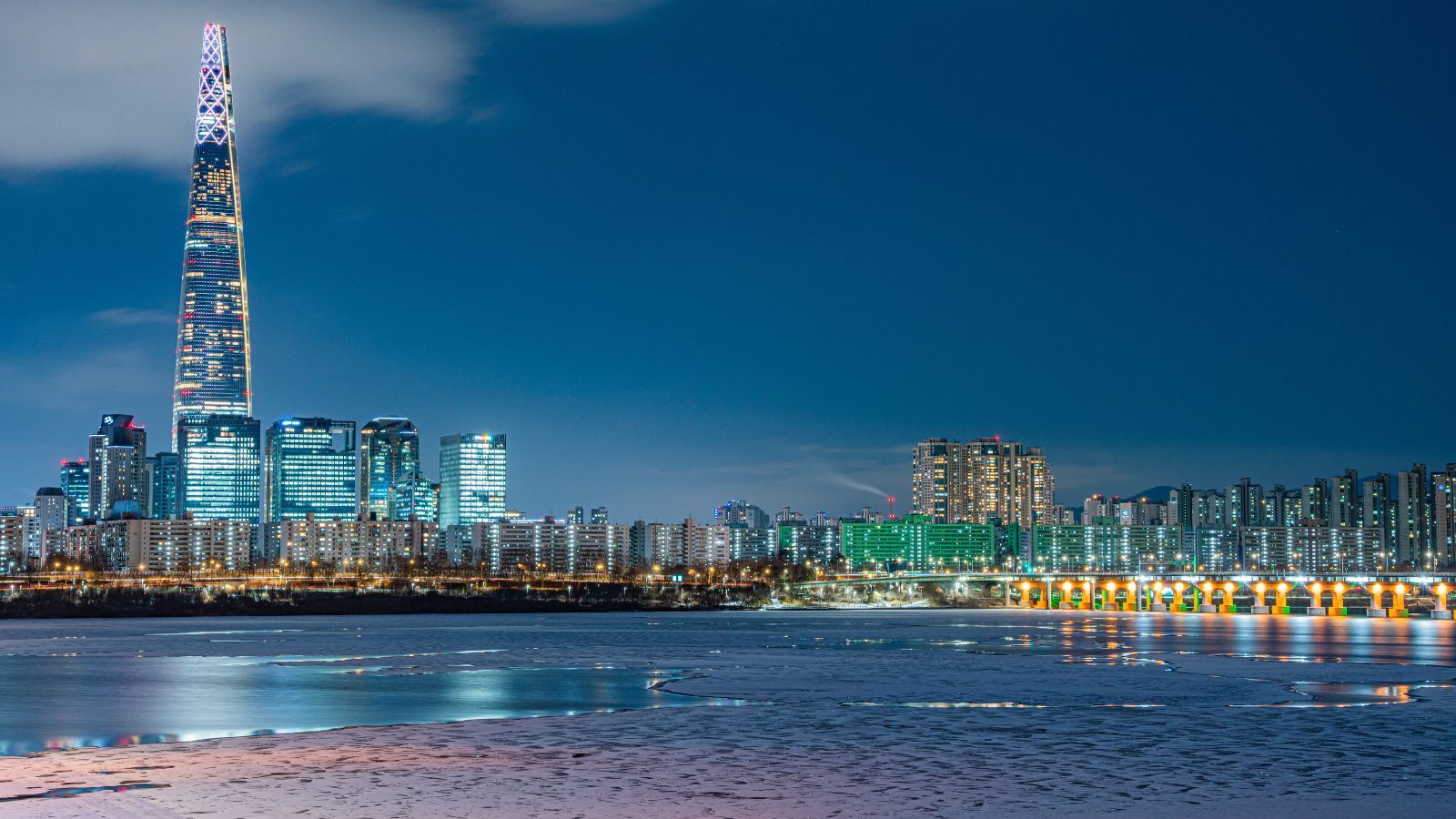
The Strait of Hormuz remains a choke point that keeps energy traders awake at night. When traffic stalls there, the economic shockwaves hit Seoul almost instantly. South Korea imports a massive share of its oil and natural gas through these volatile waters. Yet, navigating the diplomatic tightrope between Washington and its security commitments has never been simple.
Recent leaks and local media reports claimed that Seoul was on the verge of rushing a deployment consent motion through the National Assembly. The presidential office quickly stepped in to pump the brakes. Officials confirmed that while military options for the Strait of Hormuz are under active review, no final choice has been locked in.
The Pressure Behind the Review
Washington has spent months leaning hard on international allies. With tensions in the Middle East restricting commercial maritime traffic, the United States wants broad burden-sharing to keep global trade lanes open. President Donald Trump openly criticized South Korea for not offering direct operational help early in the ongoing conflict, even tying the friction to adjustments in joint military exercises on the Korean Peninsula.
Seoul's sudden willingness to talk about military assets isn't happening in a vacuum. South Korean officials are eager to squash claims that they provide zero assistance to global security. Behind closed doors, diplomats are balancing alliance management with strict domestic legal thresholds.
What Options Are Actually on the Table
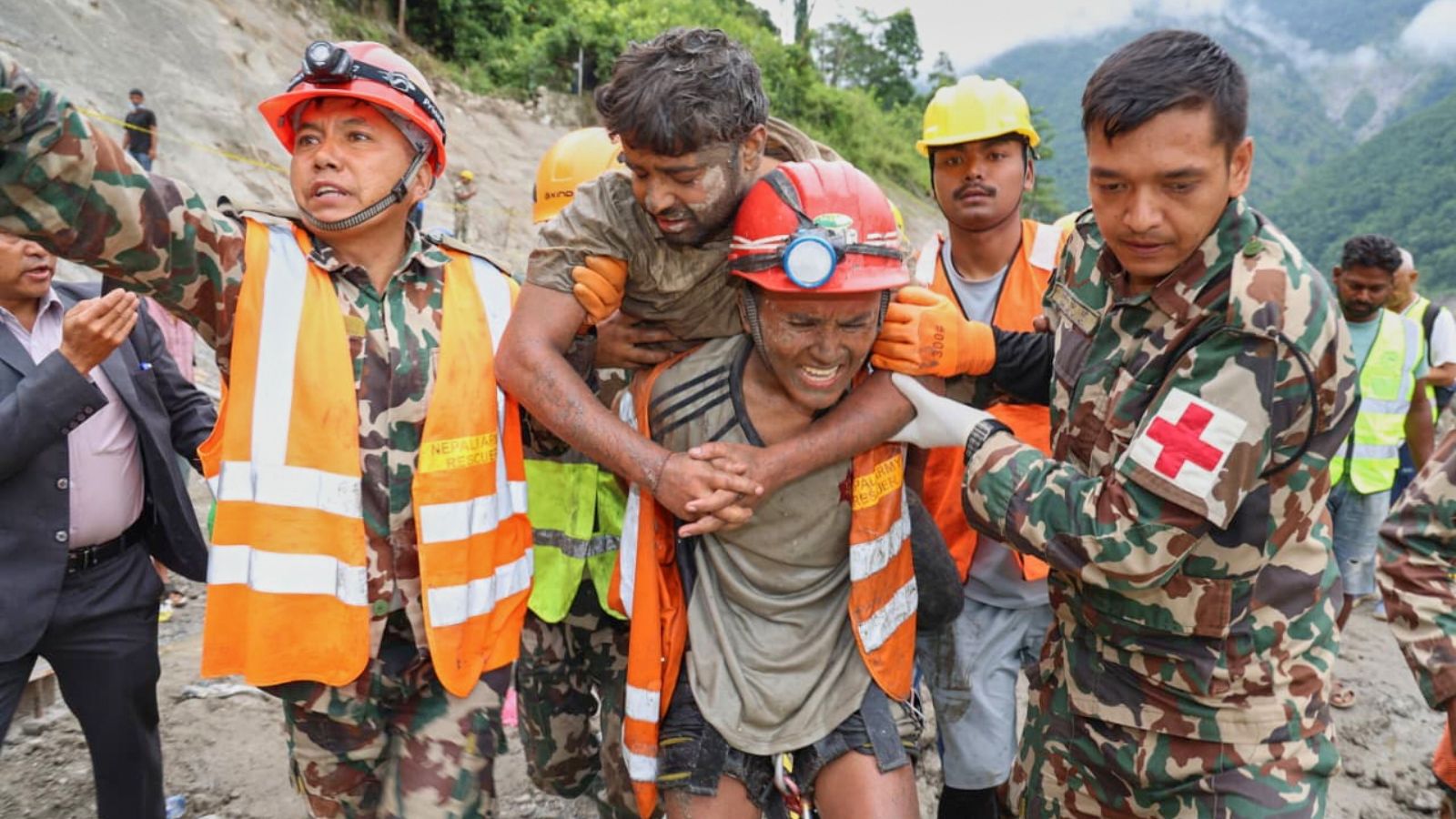
When people hear about military deployments, they picture large combat fleets heading into active war zones. Reality looks much more nuanced. According to senior officials in Seoul, any contribution would likely involve specialized, non-combat, or limited support functions.
The government is examining several practical paths:
- Dispatching maritime patrol aircraft like the P-8 to assist with surveillance and tracking.
- Deploying specialized explosive ordnance disposal or mine clearance units to clear blocked paths.
- Sending a logistics support ship or a small naval detachment to aid international search and rescue operations.
None of these choices mean South Korea wants to dive headfirst into a foreign war. Instead, they represent a scaled approach designed to appease Washington while minimizing direct provocation.
Hurdles on the Home Front
You cannot simply send troops abroad on a whim under South Korea's legal framework. Article 60 of the South Korean Constitution gives the National Assembly explicit authority over overseas military dispatches.
Before any vessel or aircraft moves toward the Middle East, the proposal must clear the National Security Council, pass a Cabinet review, and survive intense parliamentary debate. Lawmakers will scrutinize whether an overseas mission stretches defense readiness too thin at home.
The absolute priority for Seoul's military planners remains the Korean Peninsula. Any asset sent to the Middle East must leave enough breathing room to maintain total defense readiness against northern threats. Until lawmakers are convinced that domestic security won't take a hit, nothing is moving.
Diplomacy will move fast in the coming days. President Lee Jae Myung is set to meet French President Emmanuel Macron, where maritime security in the Middle East tops the agenda. Expect clear signals to emerge from that summit regarding how far Seoul is willing to go.