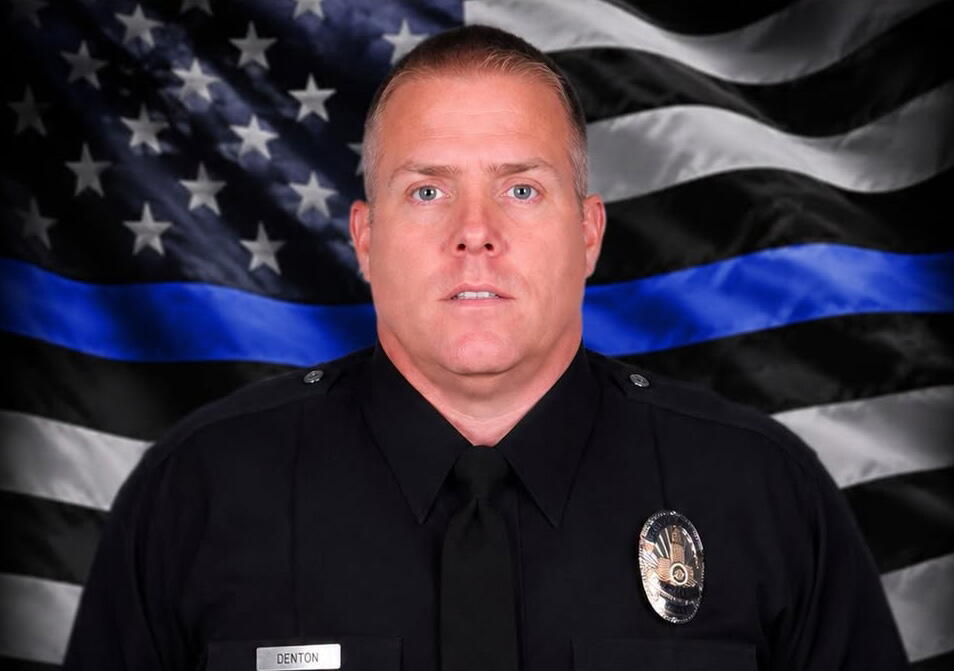
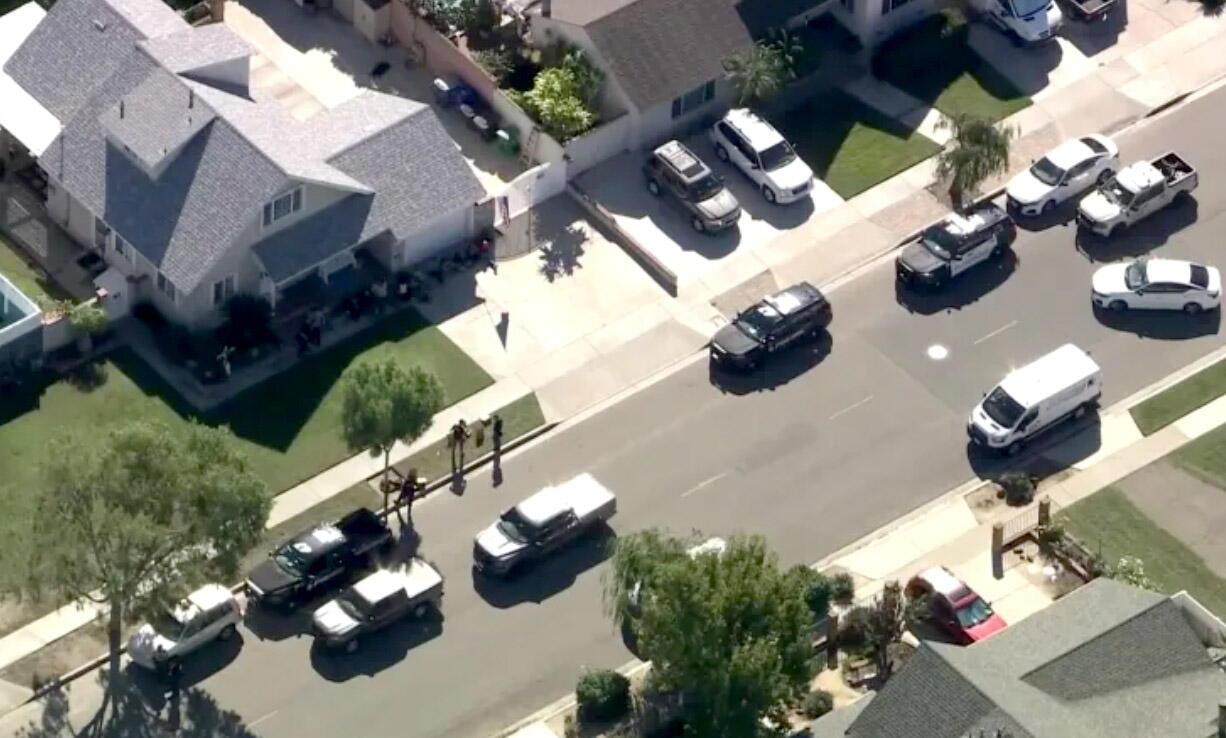
A routine bomb sweep in Spain turned lethal when a hidden explosive device detonated inside an abandoned bag, killing both a police officer and a trained sniffer dog. Authorities immediately launched an urgent manhunt across the country for a prime suspect known in intelligence circles and criminal networks simply as "The Russian."
It's a terrifying scenario. Most people read a headline like that and assume it's a random, chaotic act of terror, or they get caught up in wild social media speculation about international espionage. They're missing the bigger picture. When an explosive device kills a specialized K9 unit and an officer during a sweep, it points to a very specific, calculated level of threat that Spanish law enforcement takes dead seriously.
Let's look closely at what happens behind the scenes when a suspect like The Russian triggers a nationwide alert, why explosive attacks targeting detection teams are so dangerous, and what the real facts of this case tell us about modern security operations in Spain.
What Happened During the Fatal Explosion in Spain
The incident began with a suspicious bag. In high-alert European jurisdictions, unattended luggage or abandoned packages aren't treated as minor nuisances—they're treated as active threats until proven otherwise.
Standard protocol kicks in immediately. Officers establish a perimeter, clear civilians from the blast radius, and bring in specialized explosive ordnance disposal teams alongside detection dogs. That's exactly what happened here. The officer and the sniffer dog moved in to assess the bag, doing the exact job they were trained to do.
Then the device went off.
The blast killed both the officer and the canine on the scene. In law enforcement, losing a handler and a K9 partner together is a devastating blow. These teams train together for years, building a bond where the dog's nose acts as the primary early-warning system against concealed threats. When a device detonates before the dog can safely alert and retreat, investigators immediately know they aren't dealing with an amateur making fireworks in a garage.
Why Investigators Are Hunting a Suspect Known as The Russian
Right after the blast, Spanish security forces locked down key transit corridors and issued an urgent alert for a suspect identified by the alias "The Russian."
In criminal investigations across Europe, aliases like this usually come from one of two places. Either the individual has documented ties to Eastern European organized crime networks, or the nickname originated within local underworld circles based on the suspect's accent, background, or operational style.
Spanish police haven't released every piece of forensic evidence—and honestly, they shouldn't while a suspect is still at large. Prematurely dumping surveillance stills, partial DNA profiles, or bomb-signature data into the press gives a fugitive a roadmap of how close investigators actually are. What we do know is that linking an alias to a bombing this quickly means the suspect wasn't a complete ghost. Authorities either had prior intelligence on the individual, recovered immediate forensic leads near the drop site, or tracked movements through Spain's extensive CCTV and license-plate recognition networks.
The Reality of Fugitive Manhunts in Modern Europe
People watch too many movies. They think a manhunt means roadblocks on every highway and helicopters hovering over every neighborhood.
Real manhunts in Spain look very different. Spain operates with multiple overlapping security agencies—primarily the Cuerpo Nacional de Policía (National Police) and the Guardia Civil, alongside regional forces like the Mossos d'Esquadra in Catalonia or the Ertzaintza in the Basque Country. When a cop is killed in the line of duty, jurisdictional rivalries evaporate overnight.
Here is how the dragnet actually tightens:
- Border and Port Chokepoints: Spain isn't an isolated island, though its geography creates natural bottlenecks. Investigators immediately flag ferry terminals in the south, high-speed rail hubs in Madrid and Barcelona, and land crossings toward France and Portugal.
- Digital Footprint Sweeps: Burner phones still leave tower pings. Even if a suspect dumps their primary device, cell-site simulators and tower dumps around the blast site before and after the drop allow analysts to isolate unfamiliar numbers that left the area rapidly.
- Informant Networks: The criminal underworld hates heat. A cop-killing bombing brings relentless pressure on every local trafficker, fixer, and safe-house operator in the region. Someone always talks when their own business gets shut down by police raids.
What Most People Get Wrong About Bomb Dogs and Explosive Sweeps
There's a massive misconception that sniffer dogs somehow "disarm" bombs or can detect a trigger mechanism before it fires. They can't.
A detection dog is trained to recognize specific chemical vapors—things like RDX, PETN, TNT, or homemade peroxide-based compounds. When the dog catches the scent, it gives a passive alert, usually sitting or staring at the source. The handler reads that subtle body language, pulls the dog back, and lets the bomb technicians take over with robots, X-ray scanners, and disruptors.
So why did this bag detonate while the team was close?
There are three possibilities forensic bomb technicians look at immediately:
- Anti-Handling Switches: Some devices are rigged with tilt switches, light sensors, or pressure plates. If the bag shifts slightly, or if someone unzips a compartment, the circuit closes instantly.
- Remote Detonation: The bomber stays within line-of-sight—sometimes watching from a parked car or a nearby cafe—and triggers the blast via a mobile phone or radio transmitter the moment police approach. That turns a passive bomb into an active ambush against first responders.
- Timer Malfunction: Homemade or poorly assembled timers can fire prematurely, catching both the bomber's schedule and the police response off guard.
If investigators determine this was a remote-detonated ambush, the manhunt shifts from a standard murder investigation to an active counter-terrorism or high-level organized crime operation. Deliberately targeting a bomb squad means the suspect isn't just trying to destroy property—they're actively hunting law enforcement.
Spain's Hard-Won Experience With Explosive Threats
To understand why Spain's response is so aggressive, you have to look at the country's history. Spain has arguably more institutional experience dealing with domestic and international bombings than almost any other nation in Western Europe.
For decades, Spanish police and the Guardia Civil battled the Basque separatist group ETA, enduring hundreds of car bombs, parcel bombs, and booby-trapped devices. Then came the horrific 2004 Madrid train bombings, which fundamentally reshaped how European intelligence services share data and monitor transit networks.
Because of that history, Spanish bomb disposal units—known as TEDAX—are among the best-trained specialists on the planet. They don't make careless mistakes. When a TEDAX officer or a specialized K9 handler dies in the field, every officer in the country takes it personally, and the state throws every available surveillance and intelligence resource into hunting down the person responsible.
What Happens When a Suspect Uses an Alias Like The Russian
In criminal intelligence, nicknames are double-edged swords. On one hand, a street name like "The Russian" hides a suspect's legal identity from casual witnesses. On the other hand, distinctive monikers make a suspect remarkably easy to track through human intelligence.
If ten different informants across three cities mention a guy called "The Russian" who deals in military-grade hardware or forged documents, analysts can map his entire social graph without even knowing his passport name yet.
The Cross-Border Complication
If the suspect genuinely has roots outside Spain, investigators face an immediate race against time. Under the Schengen Area rules, traveling from Spain into France doesn't require routine passport checks at the border. A fugitive who gets a six-hour head start can be halfway across Europe before an Interpol Red Notice even circulates to local patrol officers.
That's why speed matters more than anything else in the first 48 hours. Spanish authorities rely heavily on Europol's secure messaging channels to alert neighboring police forces before the trail goes cold. Once a suspect crosses into a third country and switches vehicles, finding them becomes exponentially harder.
How to Stay Safe and Verify News During Active Manhunts
When a high-profile bombing hits the news, misinformation spreads faster than official police updates. Fake suspect photos circulate on X and Telegram within minutes. Rumors of "second bombs" at major train stations cause unnecessary panic.
If you're living in or traveling through Spain—or simply following major European security news—stick to verified protocols rather than sensationalist headlines:
- Trust Primary Police Channels Only: Follow official updates directly from the Policía Nacional (
@policia) and Guardia Civil (@guardiacivil) on social media, or Spain's Ministry of the Interior. Never share unverified photos of supposed suspects unless they come directly from an official police bulletin. - Report Unattended Bags Immediately: It sounds basic, but people hesitate because they don't want to cause a fuss at a train station or cafe. Don't touch the bag, don't try to look inside for an ID tag, and move at least 100 meters away behind solid cover before alerting staff or calling 112 (Spain's universal emergency number).
- Clear the Perimeter When Told: If police tape off a street or clear a plaza, leave immediately. Don't stand behind the tape filming on your phone—shrapnel and glass travel much farther than most bystanders realize, and crowds block emergency vehicles from reaching the scene.
The manhunt for The Russian remains an active, high-stakes operation. Until Spanish authorities confirm an arrest and release the official forensic findings, treat every viral rumor with skepticism and rely strictly on verified law enforcement briefings.