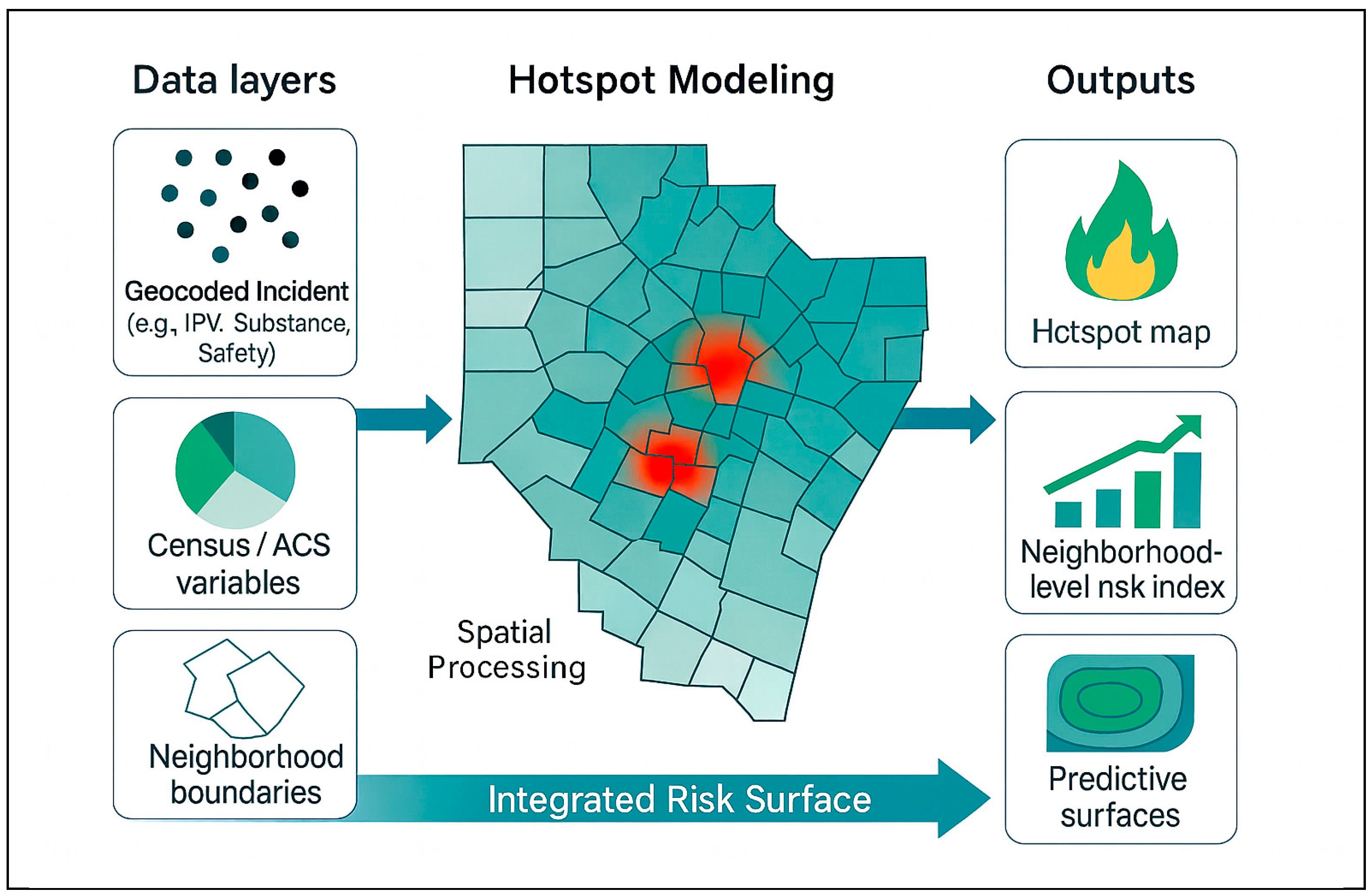
Marine apex predators and densely populated recreational coastlines exist in a state of perpetual overlap where ecological imperative meets public risk management. Along the Southern California littoral zone, juvenile white sharks (Carcharodon carcharias) establish persistent nearshore aggregations during specific seasonal windows. This proximity between humans and subadult sharks generates a continuous operational challenge for municipal authorities, marine biologists, and coastal stakeholders. Traditional public safety strategies rely on reactive closures and generalized warnings. However, effective coexistence requires an analytical framework based on spatial ecology, behavioral modeling, and quantitative risk assessment.
The Environmental Drivers Of Nearshore Aggregation
Understanding the mechanics of human-shark proximity begins with the thermal and bathymetric preferences of juvenile white sharks. Neonate and juvenile white sharks—typically ranging from one to three meters in length—occupy distinct nursery habitats along the California coast, stretching from Point Conception to San Diego. These shallow coastal waters provide two critical evolutionary advantages: thermal refuge and concentrated prey availability.
Nearshore waters, particularly sandy-bottom flats adjacent to rocky reefs or kelp forests, absorb solar radiation more efficiently than deeper offshore pelagic zones. Juvenile white sharks lack the fully developed regional endothermy of adult specimens, making them vulnerable to metabolic stress in cold deep-water environments. Thermoregulation dictates their spatial distribution. They select water temperatures that optimize their metabolic efficiency, which frequently places them in the surf zone where wave action and solar heating elevate ambient temperatures.
Prey distribution reinforces this spatial concentration. The primary caloric intake of juvenile white sharks consists of benthic and demersal species, notably round stingrays (Urobatis halleri), smoothhound sharks, and various sciaenid fishes. These prey organisms thrive in shallow, sandy nearshore troughs where human watermen—surfers, swimmers, and paddleboarders—operate. The intersection of human recreational geography and juvenile shark foraging grounds creates a persistent zone of ecological overlap.
Quantifying Encounter Probability And Risk Vectors
Risk is not distributed uniformly across time or space; it is a function of specific environmental variables and human behavioral patterns. Evaluating encounter probability requires breaking down the interaction into its core components: visibility, water temperature, bathymetric profile, and user density.
Visibility functions as the primary determinant of predatory decision-making. Juvenile white sharks are visual hunters operating primarily by silhouette recognition from below. Turbid water conditions, suspended particulate matter from coastal runoff, and low-angle morning or evening sunlight distort visual clarity. Under these conditions, the margin for sensory error narrows, increasing the frequency of exploratory bites—investigative contact where a shark assesses an unfamiliar object through tactile manipulation rather than predatory consumption.
Bathymetry further shapes risk architecture. Sub-surface topography featuring drop-offs, sandbars, and artificial structures creates predictable travel corridors for cruising sharks. When surfers position themselves over a sandbar waiting for sets, they occupy the exact vertical water column through which juvenile sharks patrol during tidal changes.
The temporal dimension of risk exhibits clear diurnal and seasonal cycles. Shark presence peaks during summer and autumn months when coastal water temperatures reach annual maximums. Daily activity patterns show heightened nearshore residency during dawn and dusk transitions, aligning with the feeding habits of their primary ray and fish prey. When recreational water use coincides with these temporal windows, the probability equation shifts upward.
The Cost Function Of Municipal Mitigation Strategies
Coastal municipalities face a complex economic optimization problem when managing public safety against shark encounters. The standard toolkit of intervention includes aerial drone surveillance, acoustic telemetry monitoring, helicopter patrols, and beach closures. Each mechanism carries distinct operational costs and variable efficacy rates.
Acoustic monitoring networks, deployed by academic institutions and state agencies, utilize receiver stations anchored to the seafloor to track tagged sharks fitted with internal transmitters. This telemetry data yields high-resolution movement profiles, revealing that tagged sharks frequently pass within meters of populated lineups without initiating aggressive interactions. While acoustic data provides valuable retrospective insight, its real-time utility for preventing sudden encounters is limited by transmission lag and incomplete tagging coverage.
Aerial drone surveillance represents a shift toward active mitigation. Unmanned aerial vehicles equipped with high-resolution cameras provide real-time visual verification of shark presence in the surf zone. The economic efficiency of drones surpasses traditional helicopter patrols, offering higher coverage frequency at a fraction of the operating cost. Yet, drone utility degrades rapidly as a function of environmental noise: high wind, glare, turbidity, and wave chop severely reduce sub-surface detection capabilities.
Beach closures represent the blunt instrument of risk mitigation. Enforcing closures eliminates direct exposure but imposes severe economic externalities on local coastal economies heavily reliant on tourism, surf commerce, and hospitality revenue. Furthermore, frequent closures cultivate compliance fatigue among the public. If closures occur continuously without verifiable incidents, water users begin discounting official warnings, eroding the credibility of municipal safety protocols.
Behavioral Modification Under Apex Predatory Pressure
Human populations occupying shared marine ecosystems undergo subtle behavioral adaptations in response to perceived predatory risk. Unlike terrestrial wildlife management where physical barriers or removal policies dominate, the marine environment precludes permanent fencing or population culling. Coexistence depends entirely on adaptive human behavior and risk literacy.
Watermen—particularly the surfing community—have shifted from passive consumers of coastal space to active observers of marine indicators. The presence of surface-feeding marine mammals, diving seabirds, and schooling baitfish serves as a reliable proxy for trophic activity. Experienced ocean users utilize these ecological cues to recalibrate their personal risk calculus.
Surfer safety strategies increasingly incorporate technology. Personal watercraft escort programs during high-density surf competitions, wearable shark deterrent devices utilizing electromagnetic fields, and community-driven information networks allow individuals to manage exposure dynamically. This decentralization of risk assessment transforms public safety from a purely top-down municipal burden into a distributed, participatory framework.
Predictive Risk Allocation Models And Future Operations
Moving beyond reactive closures requires the development of predictive ecological models. By synthesizing historical encounter data, real-time sea surface temperature telemetry, tidal cycles, and bathymetric mapping into machine learning architectures, resource managers can forecast high-risk spatial-temporal windows with actuarial precision.
These models shift the operational paradigm from continuous blanket surveillance to targeted resource deployment. When predictive algorithms indicate an elevated probability threshold at a specific beach segment during a morning high tide, municipal agencies can concentrate drone assets and lifeguards precisely where and when vulnerability peaks, optimizing expenditure while maintaining public safety standards.
Sustainable coexistence does not rely on eradicating risk or attempting to manage wild animal populations through artificial manipulation. It rests on the rigorous application of ecological science to human behavior, recognizing that sharing the littoral zone requires precise alignment between environmental awareness, technological surveillance, and institutional response protocols.