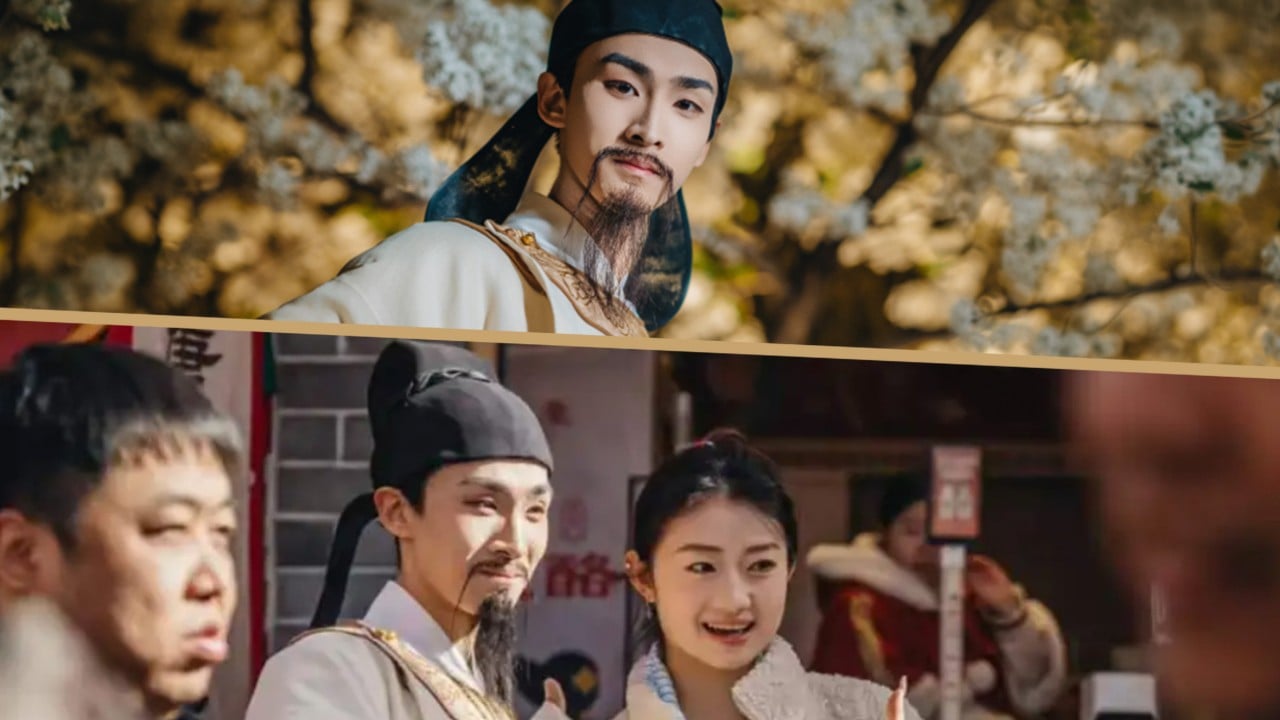
The modern travel media loves a comforting narrative about escaping the daily grind. Recently, a viral wave centered on a theme park performer in Xi'an, China, who dresses up as the legendary Tang Dynasty poet Li Bai. This actor recites poetry with tourists, hands out free food, and offers gentle, philosophical advice to exhausted white-collar workers looking for an escape from their brutal 996 work schedules.
The media swallowed it whole. The consensus? A dose of ancient poetry mixed with immersive tourism is the perfect antidote to the crushing weight of modern hustle culture.
It is a beautiful illusion. It is also completely wrong.
Seeking profound mental health breakthroughs from a paid actor at a crowded tourist attraction is the ultimate form of emotional consumerism. You cannot solve a deep-seated structural crisis of modern life by escaping into a romanticized version of the eighth century. In fact, relying on these packaged moments of "historical mindfulness" is making your burnout worse.
The Myth of the Enlightened Ancient Poet
The core premise of the "Li Bai escape" is that the past held the answers to modern exhaustion. People flock to these historical reenactments under the assumption that ancient figures possessed a serene, detached wisdom that we lost in the digital age.
Let us look at actual history. The real Li Bai did not live a life of calm, mindful detachment. He was an ambitious, chaotic, and deeply stressed individual who spent much of his life chasing political influence, dealing with exile, and drowning his sorrows in alcohol because the rigid bureaucratic machinery of the Tang Dynasty rejected him. He lived through the devastating An Lushan Rebellion, a conflict that tore his world apart.
When you ask a performer playing Li Bai how to handle your toxic boss, you are not receiving ancient wisdom. You are buying a highly sanitized, twenty-first-century corporate interpretation of a historical figure designed to maximize foot traffic and social media engagement. It is therapy theater.
The Rebound Effect of Escapist Tourism
Escapism provides a temporary spike in dopamine, but it leaves the underlying structure of your stress completely untouched.
Imagine a scenario where a boiler in a building is building up dangerous levels of pressure due to faulty valves. Instead of fixing the plumbing, the maintenance crew merely steps outside into a quiet garden for ten minutes to ignore the rattling pipes. The garden is pleasant, but the boiler is still going to explode.
Temporary immersion in a curated historical environment functions exactly like that garden. It creates a stark contrast effect. When you spend a weekend pretending to live in a world of poetry and wine, the return to your spreadsheet on Monday morning feels significantly more jarring and depressing than it would have otherwise. You have not rested; you have merely desensitized yourself to your reality, making the shock of re-entry that much harder.
True recovery requires cognitive consistency. It demands that you alter the day-to-day variables of your actual life, not that you temporarily flee to an artificial sanctuary.
The Flawed Premise of the Burnout Question
When people search for ways to cure their career exhaustion through travel, they usually ask the wrong question: Where can I go to find peace?
The question itself is flawed because it treats peace as a geographical destination or a product to be consumed. Tourism boards thrive on this mistake. They sell destinations as emotional remedies. But peace is an operational framework, not a zip code.
If you are suffering from chronic work fatigue, the remedy isn't a ticket to a historical theme park or a week on a beach. Those activities require significant logistical energy—navigating crowds, dealing with transit, and capturing the perfect photo for social media. You are replacing work-related consumption with leisure-related consumption, staying firmly trapped on the same exhausting treadmill.
How to Actually Reclaim Your Sanity
If you want to fix burnout, you need to stop looking for magic characters to save you. You need to strip away the romance and look at the mechanics of your daily routine.
- Audit your sensory inputs. The noise of a crowded tourist site packed with thousands of people trying to see a performer is not restful. Real recovery happens in low-stimulation environments. Turn off the phone, remove the crowds, and sit in a plain room.
- Fix the structural boundaries. If your work hours are destroying your health, an actor's poetry reading will not change your contract. You either negotiate hard boundaries, change your output metrics, or find a different role. No amount of historical perspective fixes a toxic workload.
- Stop romanticizing struggle. The trend of using historical suffering to validate modern pain is a trap. You do not need to compare your corporate stress to the exile of ancient poets to justify feeling tired. Your exhaustion is valid, and it requires modern, practical adjustments, not ancient metaphors.
Stop looking for wisdom in costume shops. The solutions to the pressures of 2026 will never be found by pretending you live in 750 AD. Pack up the camera, step away from the crowd, and fix your actual life where it stands.