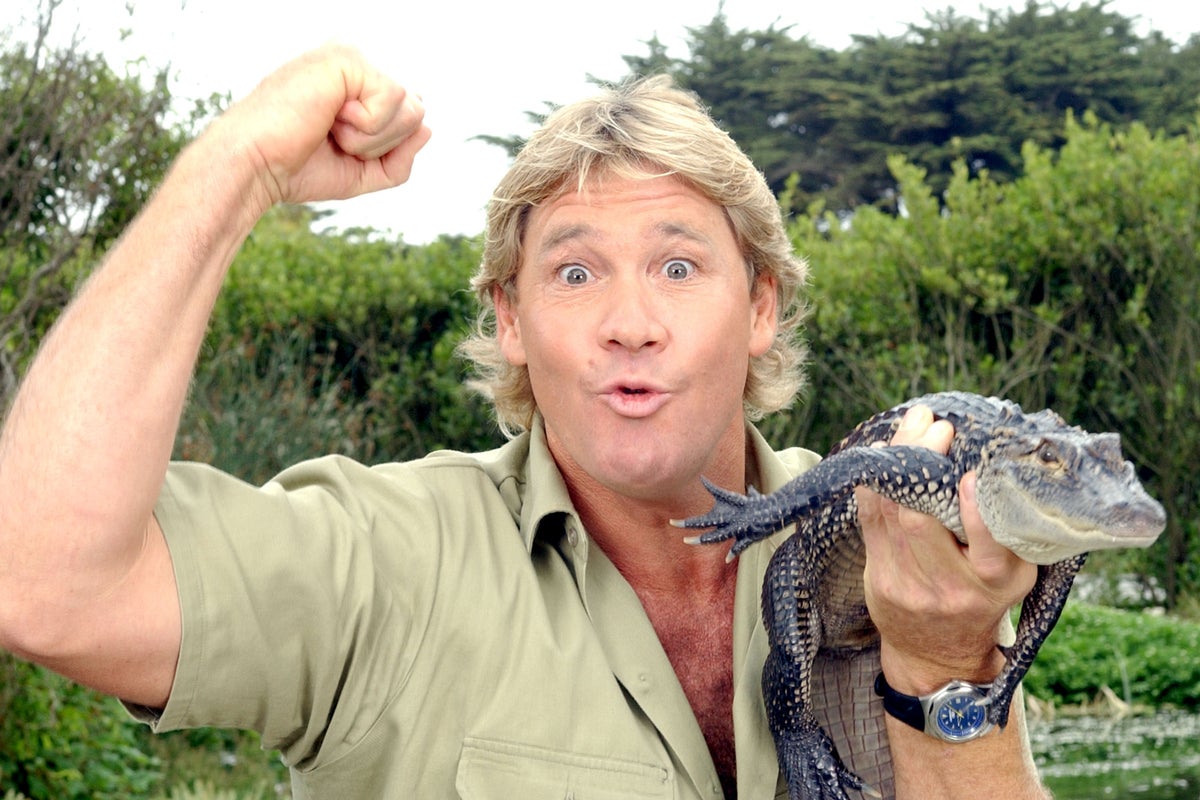
Two decades have passed since a stingray barb ended Steve Irwin's life, and the internet is once again drowning in a sea of nostalgic eulogies. Millions of people are sharing clips, weeping over archival footage, and posting heartfelt tributes about how much the world lost when the Crocodile Hunter died. They are missing the point entirely.
The lazy consensus is that Irwin was merely a loud, energetic eccentric who wrestled dangerous animals for our amusement, a harmless relic of early 2000s television culture whose primary export was catchphrases and khaki shorts. That narrative is pedestrian, lazy, and fundamentally wrong.
Irwin was not an entertainer who happened to care about animals. He was a masterclass in aggressive, disruptive conservation economics who weaponized television to fund habitat acquisition on a scale most environmental NGOs only dream about. While academics sat in air-conditioned offices writing papers that nobody read, Irwin bought the land.
The Economics of Loud Conservation
For decades, the conservation movement operated on a losing model. It relied on guilt, boring documentaries, and polite donations from people who felt sorry for polar bears. It was an intellectual, antiseptic approach that failed to capture the public imagination.
Then came a guy from Queensland yelling crikey at the top of his lungs.
Critics dismissed him as a showman, a menace to wildlife, and a danger to himself. They argued that jumping on crocodiles taught the wrong lesson, that stressing animals for ratings violated the sacred code of detached observation. They completely misread the mechanism.
Irwin understood a brutal reality of human psychology: attention is currency, and indifference is the true enemy of extinction prevention. He did not commercialize wildlife to exploit it; he exploited commercial television to fund the Australia Zoo and buy up thousands of acres of critical bushland. He created a private land-banking empire funded entirely by merchandise sales, ticket gates, and global broadcast rights.
Imagine a scenario where Irwin chose the traditional route. He could have spent his life working a quiet desk job for a state wildlife department, filling out permit applications and begging governments for pocket change. How many crocodiles would that have saved? Zero. By turning himself into a global brand, he generated the capital required to buy real estate before developers could turn it into parking lots.
Dismantling the Safety Cult
The most common criticism lobbed at Irwin during his life—and whispered by purists even now—was that he took unnecessary risks. People love to play armchair safety inspector, claiming he harassed animals for dramatic effect.
This critique stems from a fundamental misunderstanding of field biology and public engagement. To make urban populations care about a 500-pound apex predator living thousands of miles away, you cannot show a distant blob through a telephoto lens. You have to bring the audience into the danger zone. You have to make the heartbeat palpable through the screen.
Risk was his delivery vehicle. Every time he hauled a venomous snake out of a suburban garden or jumped on a thrashing croc, he was executing a calculated transaction: he traded his personal physical safety for viewer engagement, and he converted that engagement into political leverage and cold hard cash.
Compare this to modern sanitized wildlife content. Today, we have algorithms feeding us pristine, high-definition drone footage of nature reserves while species quietly wink out of existence due to habitat loss. People scroll past a quiet documentary in three seconds. Nobody scrolled past Irwin.
The Real Legacy We Ignore
When people post their moving tributes today, they talk about his smile, his kids, and his enthusiasm. They turn him into a cartoon character. In doing so, they sanitize his radical pragmatism.
Irwin did not believe in pristine, human-free wilderness preservation. He believed in active management, aggressive land acquisition, and direct economic incentives for conservation. He proved that wildlife parks could be self-sustaining economic engines rather than charity cases dependent on government handouts or guilt-ridden donations.
His family continues to run the Australia Zoo and the wildlife hospital, but the broader cultural conversation has largely devolved into sentimental mush. We remember the khaki, but we forget the strategy. We remember the tears, but we ignore the blueprint.
If you actually want to honor what Irwin built, stop crying over old clips and start looking at how money and attention actually move the needle in conservation. Stop demanding passive, sterile compliance from environmental advocates and start backing people who know how to make noise, command a room, and turn capital into habitat.
The stingray didn't stop the mission. Our refusal to understand his methods did.
Drop the nostalgia. Pick up the checkbook. Buy the land.