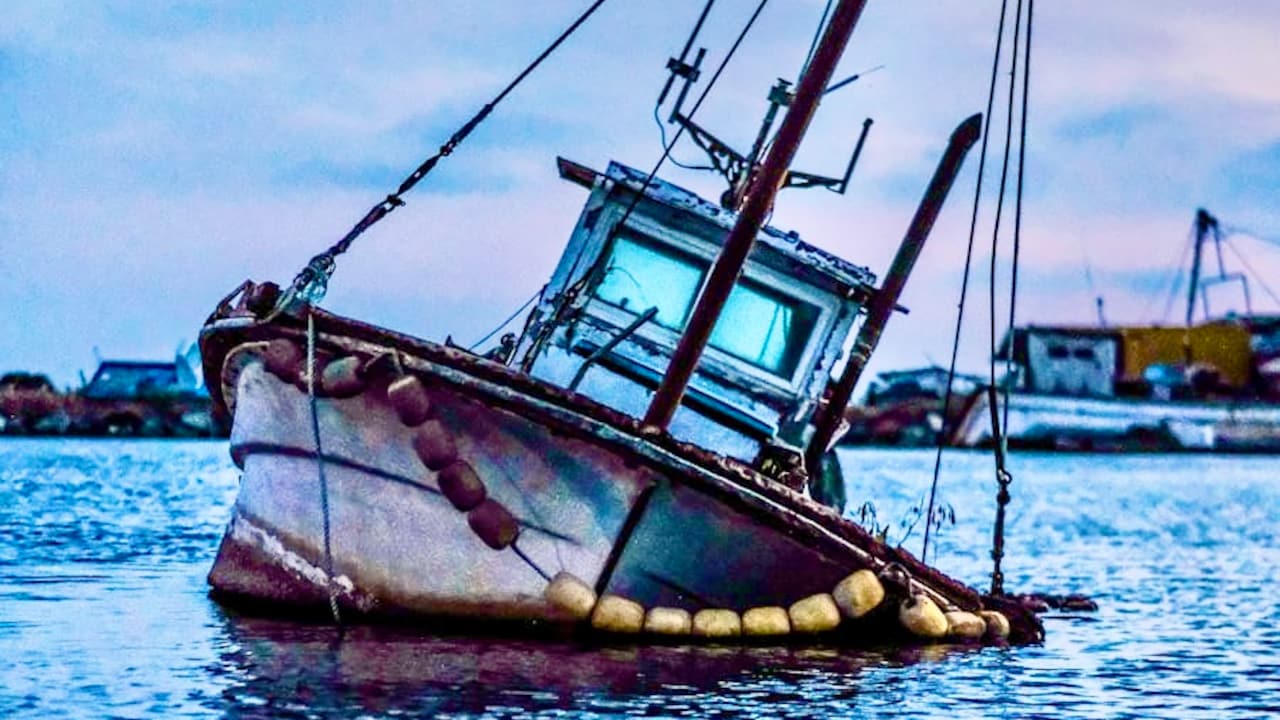
Every time a wooden hull splinters beneath the weight of ninety-five desperate souls on an African waterway, the global media performs the exact same liturgy. We get the sombre headlines. We get the hand-wringing from regional ministries about manifest enforcement. We get the hollow platitudes about thoughts and prayers from officials who haven't set foot on a commercial dugout in thirty years. Then everyone packs up their cameras, forgets the victims within a week, and leaves the fundamental mechanics of local transit completely unchanged.
We treat these maritime disasters like freak accidents of fate. They are not. They are the entirely predictable terminal velocity of structural neglect masquerading as localized commerce.
Let us dispense with the lazy consensus immediately. The standard narrative claims this disaster on Lake Kariba or whichever African inland channel just made the ticker is purely a story of rogue operators flouting the law. That frame is comforting because it isolates the villain to one greedy captain or an overworked local official taking a bribe to look the other way. It lets the institutional architects of the infrastructure vacuum off scot-free.
I have spent two decades analyzing disaster response and maritime transit logistics across emerging trade corridors, and I have seen firsthand how municipal oversight bodies love to blame the individual while starving the system of basic resources. When you criminalize the only available transit network without replacing it with a functional alternative, you do not stop people from moving. You simply force them onto worse, unmonitored vessels in the dead of night.
The Myth of the Overburdened Captain
Look at the standard coverage of any capsizing event. The authorities wheel out safety statistics, point to overloaded capacity limits, and wag a finger at informal operators.
This misses the physical reality of rural transport economics. When a community has zero roads, zero state-funded ferry lines, and an economic imperative to move goods and bodies across a massive body of water, capacity limits cease to be safety regulations. They become economic impossibilities. If a captain tries to run at fifty percent capacity to satisfy a bureaucratic code written by someone in a capital city three hundred miles away, the ticket price doubles. The passengers cannot pay it. The captain cannot buy fuel. The village stays isolated.
Overloading is not a moral failure of the operator. It is a mathematical necessity under an economic system that refuses to subsidize or build functional public infrastructure.
Imagine a scenario where every informal water taxi operator on these disputed lakes and rivers was instantly arrested tomorrow morning. The result would not be a safer waterway. It would be immediate famine, halted education access, and total economic collapse for millions of isolated shore-dwelling citizens. The informal transit network is the circulatory system of the region. Trying to fix it by yelling at the blood cells while ignoring the blocked arteries is institutional malpractice.
Why Regulatory Theater Fails Every Time
Governments love paperwork because paper is cheap and concrete is expensive.
Whenever a boat sinks with ninety-five people aboard, the knee-jerk administrative response is to announce new checkpoints, stiffer penalties for unlicensed vessels, and mandatory life jackets. This is regulatory theater at its finest. It gives the appearance of governance without requiring any capital investment in docks, radar, weather monitoring, or subsidized state vessels.
Let us define terms clearly. Real maritime safety is a function of three things: structural integrity, meteorological warning systems, and rescue infrastructure.
- Structural integrity requires shipyards, certified timber or steel, and maintenance budgets.
- Meteorological warnings require Doppler radar and localized forecasting that reaches rural populations.
- Rescue infrastructure requires fast response boats, trained coast guard units, and communication lines that work when cell towers go dark.
Paper permits provide none of these. Handing a captain a laminated certificate does not stop a squall from flipping a flat-bottomed wooden hull in thirty seconds. Punishing survivors or jailing low-level deckhands does not raise a sunken engine off the muddy bottom of a lake.
When international bodies fund safety initiatives in these regions, they almost always spend ninety percent of the budget on workshops, seminars, and compliance audits, and ten percent on actual hardware. I have watched foreign aid consultants sit in air-conditioned hotels drafting multi-page safety protocols for people who are cutting down trees with hand axes to patch leaks in a thirty-year-old outboard motor. It is absurd.
The Counter-Intuitive Truth About Informal Fleets
If you want to save lives on these waters, stop trying to turn informal operators into corporate entities overnight. It will not work.
Instead, you have to weaponize their profit incentive in favor of safety. Right now, safety equipment like personal flotation devices cost money, take up cargo space, and cut into the already razor-thin margins of rural boatmen. If a life jacket costs a week's wages, no one is bringing it on board.
The intervention that actually works requires flipping the economic model on its head:
- Subsidize standard buoyancy gear so heavily that it is cheaper for an operator to buy life jackets than to go without them.
- Build basic, concrete slipways and landing stages that prevent capsizing during the chaotic boarding process—which is when a massive percentage of these vessels actually take on water.
- Implement localized community inspection groups where local elders hold veto power over departures, backed by immediate micro-loans for engine maintenance.
Notice what is missing from that list? More police checks. More fines. More bureaucratic red tape.
The Brutal Reality of Accountability
We mourn the ninety-five dead because mass casualty events make for compelling news cycles. But we ignore the slow-motion tragedy of the economic conditions that forced them onto that boat in the first place.
Until regional governments stop treating rural transport as an informal nuisance to be taxed or banned, and start treating it as vital public infrastructure, these wooden hulls will keep going under. Every time we blame human error, we absolve the state of its structural duty to provide safe, engineered transit for its most vulnerable populations.
Stop writing the same obituary for the same avoidable tragedy. Change the math, fund the infrastructure, and stop pretending that a piece of paper can keep a sinking boat afloat.