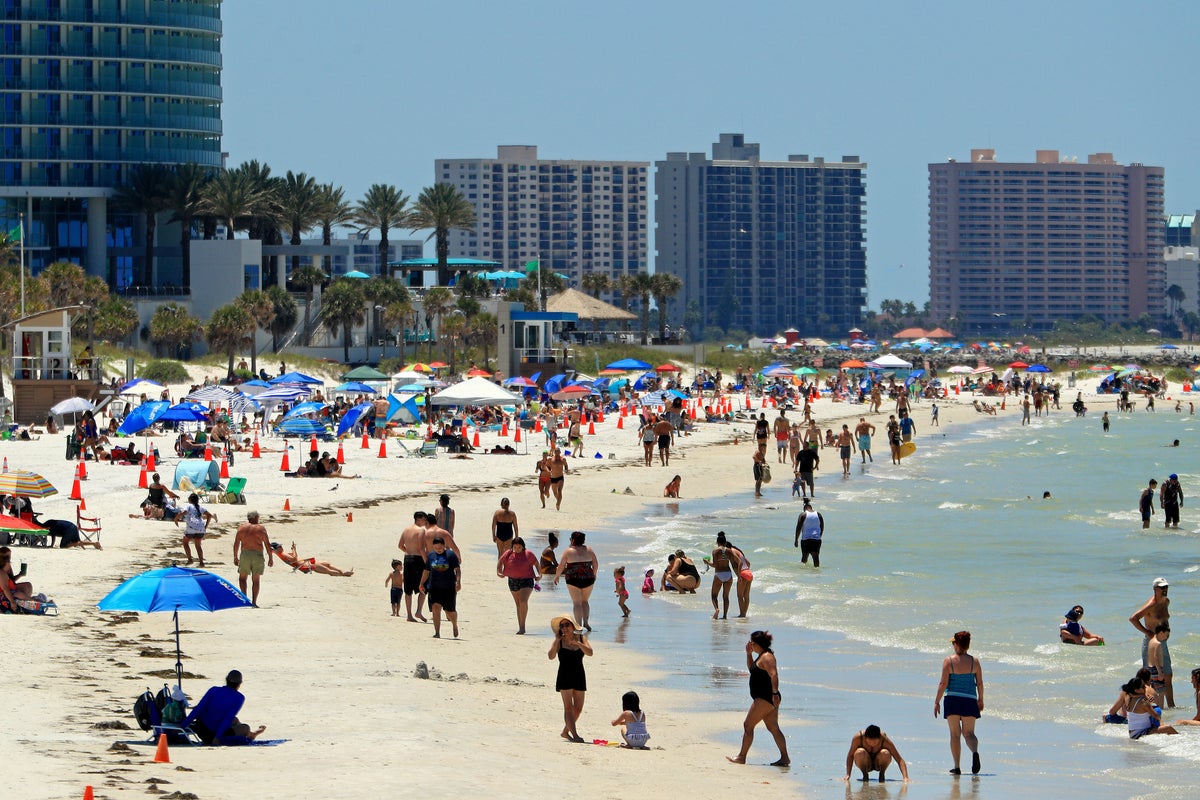
Every summer, the headlines look like a script from a horror movie. Headlines scream about "deadly flesh-eating bacteria" invading East Coast beaches. Media outlets love the panic because fear drives clicks. But if you actually look at the data from the Centers for Disease Control and Prevention (CDC), the reality is far more nuanced.
Yes, Vibrio vulnificus—the bacterium behind these stories—is incredibly dangerous. It can kill an infected person within 24 to 48 hours. But it's also exceptionally rare. You don't need to cancel your beach trip or live in fear of the ocean. You just need to understand how this organism actually operates, who is genuinely at risk, and how a few basic habits can completely neutralize the danger.
The Real Numbers Behind the Coastline Panic
Let's clear up the scale of this threat right away. The CDC estimates that about 80,000 people contract some form of vibriosis in the United States every year. That sounds like a lot until you realize the vast majority of those cases are mild stomach bugs caused by species like Vibrio parahaemolyticus. You get some watery diarrhea, stomach cramps, and vomiting, and then you recover.
The terrifying "flesh-eating" variant is Vibrio vulnificus. Nationwide, there are only between 150 and 200 reported cases of this specific infection per year.
It's a tiny number. However, the reason public health officials take it so seriously is its terrifying speed and high mortality rate. Around one in five people infected with Vibrio vulnificus die. In severe cases, the infection causes necrotizing fasciitis—a condition where the flesh around a wound rapidly dies, often requiring intensive care or limb amputation to save the patient's life.
Why the Threat Is Creeping North
If the bacteria are so rare, why are we seeing a surge in official warnings along the Atlantic coast?
The answer lies in changing ocean conditions. Vibrio bacteria aren't an invasive species. They're a natural part of coastal marine environments, and they thrive specifically in warm, brackish water—where fresh water from rivers meets the salty ocean.
Historically, these bacteria were mostly confined to the warm waters of the Gulf Coast. States like Florida and Louisiana regularly handle these infections. But coastal waters are warming up earlier and staying warm longer. According to a landmark study published in Scientific Reports, the northern boundary of Vibrio vulnificus infections has been shifting north by about 30 miles every single year since the late 1990s.
During intense summer heatwaves, the bacteria multiply at an explosive rate. This warming trend is why we've recently seen infection clusters pop up in places like New York, Connecticut, and Massachusetts—waters that used to be far too cold to sustain high concentrations of the pathogen. Extreme weather events like hurricanes also push brackish coastal waters further inland, exposing more areas to the bacteria.
How People Actually Catch It
You can't get this infection from casual swimming or just breathing beach air. The bacteria require a direct, specific gateway into your body. There are two primary ways you contract it.
1. The Open Wound Route
If you wade into brackish water with an open cut, scrape, fresh piercing, or brand-new tattoo, you're giving the bacteria a wide-open door. Vibrio vulnificus is so potent it can exploit a microscopic nick in the skin. Once inside, it bypasses your outer defenses and begins destroying subcutaneous tissue.
2. The Raw Seafood Route
Eating contaminated raw or undercooked shellfish, especially raw oysters, is the other major vector. Oysters feed by filtering water, which naturally concentrates any bacteria present in their environment. When you eat a raw oyster harvested from warm, infected waters, you ingest the bacteria directly.
Interestingly, the data shows that getting infected through food is less common but far more lethal. According to tracking data published by the University of Florida's Emerging Pathogens Institute, about 13 percent of people infected through a skin wound die, compared to a staggering 32 percent mortality rate for those who contract it by eating contaminated seafood.
Who Is Genuinely at Risk?
Here is the most critical piece of context that mainstream news alerts usually leave out: a healthy immune system fights off Vibrio easily.
The bacteria didn't evolve to live inside the human body. If you're a generally healthy adult, your immune response will typically destroy the pathogen before it can take hold. The people who develop severe, life-threatening necrotizing fasciitis almost always have specific underlying health conditions.
You face a significantly higher risk of severe illness or death if you have:
- Liver disease: This includes cirrhosis, hepatitis, or heavy alcohol use. High iron levels in the blood, common in liver patients, act like rocket fuel for Vibrio growth.
- Compromised immunity: This includes people undergoing chemotherapy, living with HIV, or taking immunosuppressive medications.
- Chronic metabolic conditions: Diabetes or kidney disease drastically reduces your body's ability to fight off rapid bacterial infections.
- Low stomach acid: If you take daily antacids or PPIs (proton pump inhibitors), or have had stomach surgery, you lack the stomach acid necessary to kill the bacteria when you eat raw seafood.
Spotting the Warning Signs Early
Time is everything. If you wait days to see if a weird spot gets better, it might be too late.
If you've been in coastal water or handled raw seafood, you need to monitor yourself for seven days. A wound infection starts with rapid, intense pain that feels completely disproportionate to the size of the original scratch. You'll see spreading redness, swelling, and warmth. As it progresses, the skin will blister and develop dark, fluid-filled lesions.
If the bacteria enter your bloodstream—either from a wound or from eating raw seafood—the symptoms hit like a truck. You'll experience a sudden onset of fever, chills, a dangerous drop in blood pressure (septic shock), and blistering skin lesions across your body.
If you experience these symptoms after a beach day or an oyster dinner, don't wait for your primary care doctor to open. Go straight to the emergency room and tell the triage nurse explicitly: "I was exposed to coastal seawater and I'm worried about a Vibrio infection." Prompt treatment with targeted antibiotics like doxycycline is the only thing that stops the clock.
Smart Protocols for Safe Beach Season
You don't need to stay out of the water this summer. You just need to follow a few common-sense rules to completely eliminate your vulnerability.
If you have any open skin breaks, cover them with a strictly waterproof bandage before getting near coastal water. Better yet, stay on the sand until they heal. Avoid wading, swimming, or crabbing if you've got fresh cuts on your feet or legs.
Always wash your hands and any fresh scrapes thoroughly with clean running water and soap immediately after exiting the ocean or handling raw bait. If you fall into a high-risk health category, skip the raw oyster bar entirely. Order them fried, steamed, or baked. Cooking kills the bacteria instantly, making them perfectly safe to enjoy.