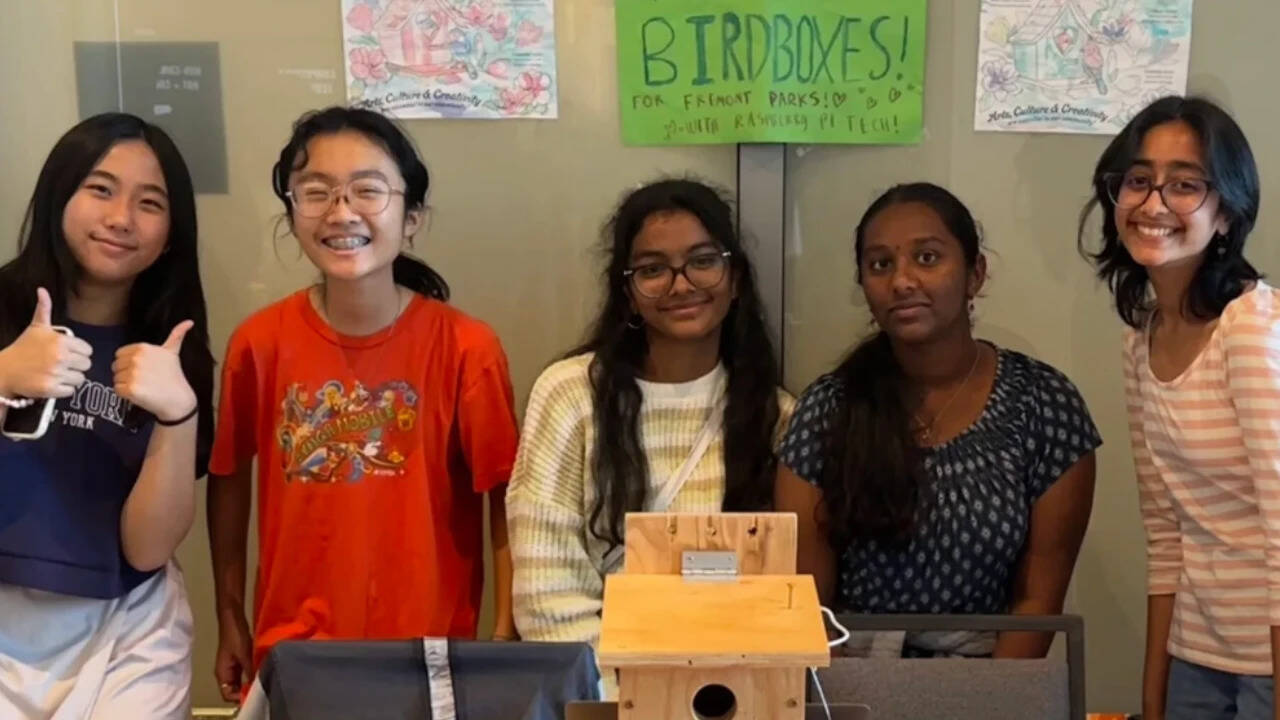
Everyone loves a feel-good conservation headline. Someone bolts a camera inside a wooden box, snaps a photo of a nesting bird every three minutes, and suddenly the internet applauds a triumph of wildlife tech.
It is an inspiring story. It is also the exact kind of feel-good distraction that hides a massive blind spot in modern conservation.
When we celebrate DIY camera traps and three-minute interval photography as the answer to urban biodiversity loss, we fall into the laziest consensus in environmental tech. We confuse watching nature with helping it. Worse, we assume that putting a glowing, clicking, heat-emitting piece of electronics inside a tiny wooden cavity has zero biological cost to the animals trapped inside.
Let’s look past the cute photos of baby chicks and examine what actually happens when human surveillance meets avian biology.
The Illusion of Passive Observation
The standard narrative around smart bird boxes—like the ones built by conservationists and hobbyists using Raspberry Pis, infrared LEDs, and interval timers—relies on a single flawed premise. That premise is invisibility. Makers assume that because a camera is silent or uses "invisible" infrared light, the bird doesn't know it's there.
Ask any seasoned field ornithologist or behavioral ecologist, and you will get a very different reality.
First, there is the thermal footprint. A nesting box is an insulated microclimate designed to mimic a natural tree cavity. When you mount a microcontroller, a camera sensor, and a power supply inside a confined space with poor ventilation, you introduce a constant heat source. During a spring heatwave, an extra two or three degrees Celsius inside a wooden box isn't a minor technical glitch. It is lethal heat stress for unfeathered nestlings that cannot thermoregulate.
Second, we need to talk about infrared illumination. Humans cannot see 850nm or 940nm infrared wavelengths, so we slap "no-glow" labels on wildlife cameras and call it a day. Birds are not humans. Avian vision is tetrachromatic, meaning birds possess four types of cone photoreceptors compared to our three, extending their visual sensitivity well into the ultraviolet spectrum and altering how they perceive light boundaries. Even if a bird cannot resolve the exact red glow of an 850nm LED, the sudden, rhythmic pulsing of high-intensity light every three minutes alters the ambient visual environment of a pitch-black cavity.
I have watched well-meaning urban wildlife projects deploy dozens of "smart" boxes across city parks, only to see occupancy rates plummet compared to plain, unmonitored cedar boxes twenty feet away. The researchers spent months debugging their Wi-Fi mesh networks and cloud storage pipelines while completely ignoring the fact that cavity-nesting birds like great tits, bluebirds, and chickadees are hyper-vigilant against cavity intrusions.
The Data Hoarding Trap
Suppose your hardware is flawless. Suppose your thermal management is immaculate, your lens is recessed, and the birds genuinely ignore the intrusion. Now you have a camera taking a photo every three minutes.
Twenty photos an hour. Four hundred and eighty photos a day. Over a typical 35-day nesting cycle from egg-laying to fledging, a single box generates nearly 17,000 images.
Scale that to a modest neighborhood project of twenty boxes, and you are sitting on 340,000 still frames.
This is where the "tech solves conservation" narrative completely falls apart. Collecting data is not science. Collecting data is just hoarding with a battery pack.
In real ornithological research—the kind conducted by institutions like the Cornell Lab of Ornithology or the British Trust for Ornithology—data collection is strictly tethered to a testable hypothesis. Researchers don't take a picture every three minutes just to see what happens. If you want to measure provisioning rates (how often parents bring food), a three-minute interval misses 60% of the feedings, because small passerines can enter and exit a nest box in under four seconds. If you want to monitor clutch size and hatching success, a single daily check or a passive weight sensor under the nest cup gives you cleaner data with a fraction of the power draw and zero optical intrusion.
Three-minute interval photography sits in a terrible middle ground. It is too slow to capture fast behavioral events like feeding visits or predator strikes, yet too frequent to review manually without burning out volunteers. You end up with terabytes of redundant JPEGs showing a sleeping bird in slightly different positions, while the critical biological moments happen in the 179 seconds between shutters.
Do Smart Bird Boxes Actually Help Birds?
People always ask whether high-tech bird houses improve survival rates. The brutal, honest answer is no. Not directly.
A camera does not stop a raccoon from reaching into an entrance hole. A Raspberry Pi does not prevent a house sparrow from usurping a native bluebird nest. A livestream does not plant native oak trees, which are required to produce the thousands of caterpillars a single clutch of chickadees needs to survive to adulthood.
As entomologist Doug Tallamy has repeatedly demonstrated through decades of ecological research, a single pair of breeding chickadees needs between 6,000 and 9,000 caterpillars just to raise one brood of chicks. If you put a $200 camera box in a manicured suburban yard full of non-native turfgrass and pesticide-treated ornamentals, you haven't built a sanctuary. You have built a high-definition stage for starvation.
The only way a camera box helps birds is indirectly—by hooking human attention. When people see intimate, real-time moments of parental care inside a nest, they care more about local habitat. That emotional connection is real, and dismissing it entirely would be dishonest. Empathy drives conservation funding and local policy changes.
The danger is when the gadget becomes the goal. When builders spend forty hours soldering circuits, configuring cron jobs, and building web dashboards, and zero hours removing invasive English ivy or planting native understory shrubs, the priorities are completely backward.
What You Should Actually Build Instead
If you want to innovate in backyard conservation, stop treating wildlife like a content creation engine. Shift your engineering mindset from surveillance to habitat performance.
Here is how you actually disrupt the status quo of urban birding:
- Ditch the camera for non-invasive telemetry. If you crave data, use sensors that don't disturb the cavity. A simple load cell beneath the nest floor tracks biomass accumulation and fledgling departure without emitting a single photon of light. External acoustic sensors (like AudioMoth devices) monitor fledgling begging calls and adult alarm vocalizations from outside the box, giving you richer behavioral data without invasive wiring inside the nesting chamber.
- Engineer better physical defenses. The leading cause of nest box failure isn't a lack of Wi-Fi; it's predation and overheating. Spend your fabrication skills milling precise predator guards from thick hardwood, designing ventilated double-roof heat shields for warming summers, and building modular clean-out doors that prevent parasite infestations like blowfly larvae.
- Trigger on motion, never on a dumb timer. If you must use a camera, abandon fixed-interval photography. Fixed intervals waste battery, generate junk data, and disrupt the nest on a predictable, unnatural rhythm. Use a low-power passive infrared (PIR) sensor or an optical break-beam across the entrance hole so the camera only fires when an adult enters or exits. You will capture actual feeding behaviors—including identifying the exact insect species being fed to the chicks—while cutting your image volume by 90%.
- Match every hour of tech work with an hour of habitat work. Make it a strict rule. Before you mount a single enclosure to a post, ensure the surrounding 50-meter radius actually contains the native host plants required to feed the tenants you are trying to attract.
The Real Cost of the Close-Up
We live in an era obsessed with quantifying and filming every square inch of the natural world. There is a quiet arrogance in believing that a wild animal's private reproductive cycle needs to be documented every 180 seconds to have value.
Building a working camera system from scratch takes genuine ingenuity, patience, and technical skill. Nobody is questioning the dedication of makers who pour their weekends into these projects. The problem isn't their effort; it's the target.
Wild birds do not need better cameras. They need darker nights, cooler cavities, fewer pesticides, and more bugs. Put down the soldering iron, step away from the interval timer, and go plant a native tree.