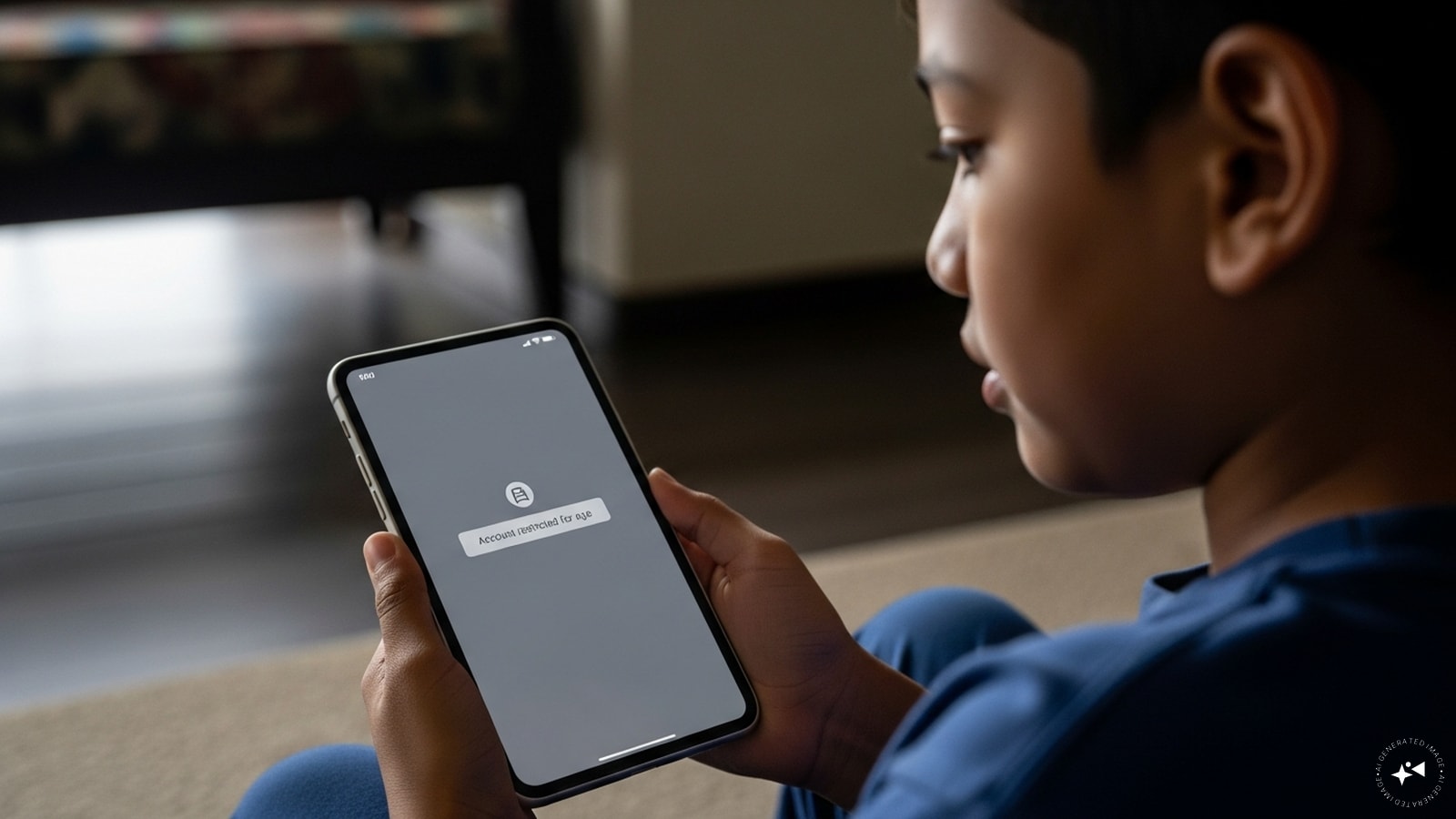
Governments love a bright-line rule. It looks decisive on a press release. It screams protectionism while demanding zero actual effort from the lawmakers signing the bill. Malaysia’s decision to enforce a sweeping ban on social media accounts for children under 16 is the latest manifestation of this lazy political theater.
The Malaysian Communications and Multimedia Commission (MCMC) is forcing platforms with over eight million users—think TikTok, Meta, and YouTube—to deploy hard identity verification checks, or risk fines up to 10 million ringgit ($2.5 million). The mainstream press is covering this as a heroic, necessary step to curb cyberbullying and compulsive app usage.
They are wrong. This policy is completely broken.
I have spent over a decade building and auditing digital identity systems across Southeast Asia. I have watched tech platforms try to parse age verification at scale, and I have seen governments blow millions of dollars chasing the myth of an airtight digital border. The consensus view—that forcing a teenager to upload a MyKad or passport to watch a dance trend will create a safe environment—is dangerously naive.
The Dark Web Pivot
The primary flaw of a total ban is the assumption that blocked users simply vanish. They do not. When you cut off access to regulated mainstream platforms, you do not fix a child’s desire for digital connection. You alter their destination.
Mainstream platforms are heavily scrutinized. They employ thousands of content moderators, utilize advanced automated threat detection, and cooperate with law enforcement agencies like Interpol to flag illegal activity. By banning under-16s from these spaces, Malaysia is creating a massive migration toward unmonitored alternative networks.
Imagine a scenario where a 15-year-old in Kuala Lumpur wants to connect with peers to play a video game or discuss a hobby. Blocked by TikTok's mandatory electronic know-your-customer (eKYC) wall, they turn to decentralized chat apps, rogue forums, or peer-to-peer applications operating outside local jurisdiction.
These alternative spaces lack content reporting mechanics. They do not filter malicious links, predatory behavior, or violent extremism. The tech policy team at Meta noted this exact risk during preliminary regulatory discussions, warning that blanket bans inadvertently push vulnerable teenagers into dark corners of the web.
By forcing platforms to build an absolute wall, the government is effectively blindfolding itself to where its youth actually spend their time online.
The Myth of Foolproof Age Verification
The technical reality of eKYC age assurance is a logistical disaster. Regulators assume checking a national ID is a simple, foolproof process. Anyone who has ever engineered a high-volume authentication pipeline knows better.
- Identity Spoofing: Teenagers are inherently tech-savvy. Passing an automated ID check requires nothing more than a parent’s MyKad left on a kitchen counter or an older sibling's passport. Facial analysis and liveness checks are easily bypassed using high-resolution printouts or basic deepfake video injectors available on open-source repositories.
- The Single-Parent Data Void: Millions of kids across Southeast Asia do not have immediate, friction-free access to official documentation, nor do their parents possess digital credentials like MyDigital ID. A hard ID requirement locks out marginalized communities from core educational and social utility tools, exacerbating the digital divide.
- Massive Honey Pots: Forcing millions of minors and their parents to upload passports, birth certificates, and biometric data to commercial social media databases creates a high-value target for threat actors. You are trading the psychological risk of an algorithm for the very real risk of identity theft, state-sponsored data breaches, and systemic surveillance of minors.
The Economic Impact on Gen Z Entrepreneurs
The lazy consensus ignores the economic reality of the modern web. Social media is no longer just a digital playground; it is a primary vehicle for skill acquisition, content creation, and entrepreneurial activity.
Under-16s are building businesses, coding software, producing digital art, and learning video production. Forcing a bright-line ban at 16 completely erases the legitimate contributions of young creators who use these networks as portfolios.
| Platform Type | Intended Protective Outcome | Unintended Collateral Damage |
|---|---|---|
| Short-Form Video | Reduction in screen addiction | Erasure of young digital creators and monetized channels |
| Professional/Creative Networks | Elimination of adult predator contact | Disruption of portfolios, code repositories, and peer mentorship |
| Educational Video Streams | Removal of algorithmic echo chambers | Loss of informal learning channels used to supplement schooling |
If an ambitious 14-year-old programmer in Penang cannot maintain a public presence to share open-source code or showcase creative animation, they lose critical years of competitive positioning in a globalized digital market. Singapore understood this nuance. Instead of copying Australia’s blunt 16-year age wall, Singapore focused its Code of Practice on app store regulations, demanding stricter default privacy settings and parental controls rather than a total platform lockout.
The Psychological Rebound
Psychological literature does not support the idea that forced digital abstinence creates healthier children. When you completely strip away an environment where youth communicate, you trigger acute social isolation.
Dr. Jonathan Haidt and other researchers have long pointed out the risks of screen saturation, but a top-down state ban does not fix the root causes of youth anxiety or alienation. It treats the smartphone as the active variable while ignoring broken physical infrastructure, over-scheduled academic lives, and a lack of real-world youth community spaces.
When children are banned from a space by decree, the platform becomes forbidden fruit. The focus shifts entirely from learning how to safely navigate digital risks to learning how to defeat the state mechanism tracking them. It removes the opportunity for parents to actively co-navigate the web with their children, offloading parental responsibility entirely onto software engineers in Silicon Valley and bureaucrats in Putrajaya.
What Actually Works
If your goal is actual child safety rather than political grandstanding, you must abandon the fantasy of a total platform ban.
First, mandate device-level restrictions rather than platform-level identity surveillance. Operating systems like iOS and Android already possess granular, system-wide parental control APIs that do not require uploading a passport to a corporate server. Regulating the hardware gatekeepers ensures privacy while maintaining control.
Second, enforce data-minimization laws that prevent platforms from profiling anyone under 18. The problem was never the ability to see a video; the problem was the surveillance capitalism architecture that weaponizes user behavior to maximize dopamine loops. Ban behavioral targeting, infinite scroll mechanics, and push notifications for minors.
Stop trying to wall off the internet. Fix the architecture inside it.