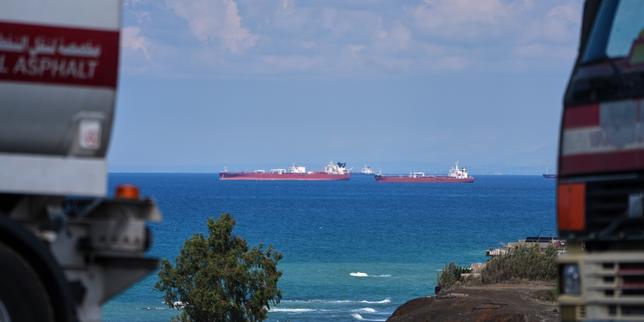
Maritime shipping operates on razor-thin margins and relentless competition. Every ton of crude oil moved across the globe is calculated down to the fraction of a cent per barrel-mile. Yet, whenever geopolitical friction seals off critical maritime arteries, the economic gravity of the global energy supply shifts overnight. Right now, the constant security threats and military posturing around the Strait of Hormuz have transformed very large crude carriers, commonly known as VLCCs, into floating vaults of immense wealth.
Charter rates for these massive vessels have surged into uncharted territory, creating a windfall for shipowners while terrifying refiners and energy traders. This is not a simple story of inflation or seasonal demand spikes. It is a masterclass in how structural supply constraints collide with regional military volatility to mint fortunes on the open ocean.
The Anatomy of a Maritime Chokepoint
To understand why a steel hull measuring over 300 meters long can suddenly command daily rates that rival corporate revenue streams, one must look at geography. The Strait of Hormuz is the world's most critical energy artery. Roughly a fifth of the world's petroleum passes through this narrow channel, flanked by Iran on one side and the Arabian Peninsula on the other.
When regional tensions escalate, the risk calculus for shipowners changes instantly. Insurance premiums for hull and machinery spike into the stratosphere. Crews demand hazard pay. P&I clubs—the protection and indemnity insurers that cover maritime liability—start drafting restrictive clauses or withdrawing coverage altogether for vessels entering high-risk zones.
For the average cargo vessel, a disrupted route means a delayed delivery. For a supertanker carrying two million barrels of crude oil, a disruption means exposure to catastrophic financial and physical risks. Owners who are willing to take those risks hold all the leverage. Charterers desperate to secure feedstock for Asian refineries or European markets have no choice to make but to pay whatever price is demanded.
Why Supertankers Became Floating Goldmines
The economics of a VLCC under normal market conditions are governed by overcapacity. For years, shipyards churned out hulls faster than global demand could absorb them, leading to depressed charter rates where owners struggled to cover operational overhead and debt servicing.
Geopolitical instability in the Middle East flips this equation on its head. When ships are forced to reroute, avoid certain zones, or move at reduced speeds to minimize signature and maximize reaction time, the effective supply of operational tonnage plummets.
Consider the mathematics of the current market. When a supertanker takes on crude in the Persian Gulf, it is not just buying fuel; it is buying time and certainty. If fewer vessels are willing to queue up at terminals in Ras Tanura or Mina al-Ahmadi due to security fears, the remaining active fleet faces hyper-inflated demand. Daily spot rates for VLCCs have experienced breathtaking spikes, occasionally vaulting past six figures per day depending on the route and destination.
At those rates, a single month-long voyage can pay off a significant chunk of a vessel's operating lease or finance costs. The ships are literally printing money while sitting on deep water.
The Speculative Playbook of Tanker Magnates
Fortunes in the shipping industry are rarely made by accident. They are engineered by players who understand cyclical volatility and asset positioning. When mainstream media focuses on the geopolitical drama, veteran shipping magnates are looking at fleet demographics and order books.
The global order book for new supertankers is historically thin. Building a VLCC takes years and hundreds of millions of dollars in capital expenditure, and shipyards in South Korea, China, and Japan are currently occupied with building LNG carriers and container ships. Consequently, you cannot simply order a new supertanker to capture a temporary spike in freight rates.
Owners who possess existing, modern tonnage with scrubber installations—allowing them to burn cheaper heavy fuel oil while complying with environmental standards—enjoy a double advantage. They collect astronomical spot rates while keeping their voyage expenses relatively low. These companies are reporting record quarterly profits, driving aggressive dividend payouts and stock buybacks that baffle traditional equity analysts who view shipping as a low-return utility sector.
The Downstream Fallout for Global Refiners
While shipowners swim in liquidity, the rest of the energy chain bears the cost. Refiners in Japan, South Korea, India, and China are caught in a brutal margin squeeze. They must secure crude to keep their cracking units operational, but the surging cost of freight eats directly into their refining margins.
When transport costs spike by millions of dollars per voyage, that expense must be absorbed somewhere. It either gets passed down to consumers in the form of higher retail prices for gasoline, diesel, and jet fuel, or it crushes the profitability of independent refiners who lack the hedging capabilities of integrated supermajors.
Traders who booked tonnage months in advance under long-term charter agreements are currently sitting on goldmines of paper wealth, subletting their vessels at massive spot-market premiums to desperate buyers. The financialization of physical crude transport has created a shadow market of paper profits where the paper is backed by two million barrels of Arabian crude bouncing across turbulent swells.
The Fragility of Maritime Logistics
This dynamic exposes the profound fragility of global supply chains. We live in an era where a few nautical miles of contested water can dictate the economic health of entire continents.
As long as the political landscape around the Arabian Gulf remains fraught with friction, the structural deficit in effective tanker capacity will persist. Shipowners know this. They are in no rush to lock in long-term contracts at moderate rates when the spot market offers generational windfalls.
The supertanker is no longer just a transport vehicle. It is a floating fortress of leverage, capitalizing on the world's inability to secure its own energy highways. Until structural alternatives emerge or regional stability returns, these maritime giants will continue to anchor the most lucrative trade on earth.