Every six months, a predictable ritual plays out across financial media. A headline drops claiming Iran has locked its crosshairs on US-UAE crude oil tankers shuttling out of the Strait of Hormuz. Analysts dust off maps from 1987, panic over tanker insurance rates spike, and desk traders buy out-of-the-money call options on Brent crude like the sky is genuinely falling.
It is theatre. And it is costing desks millions in dead premium.
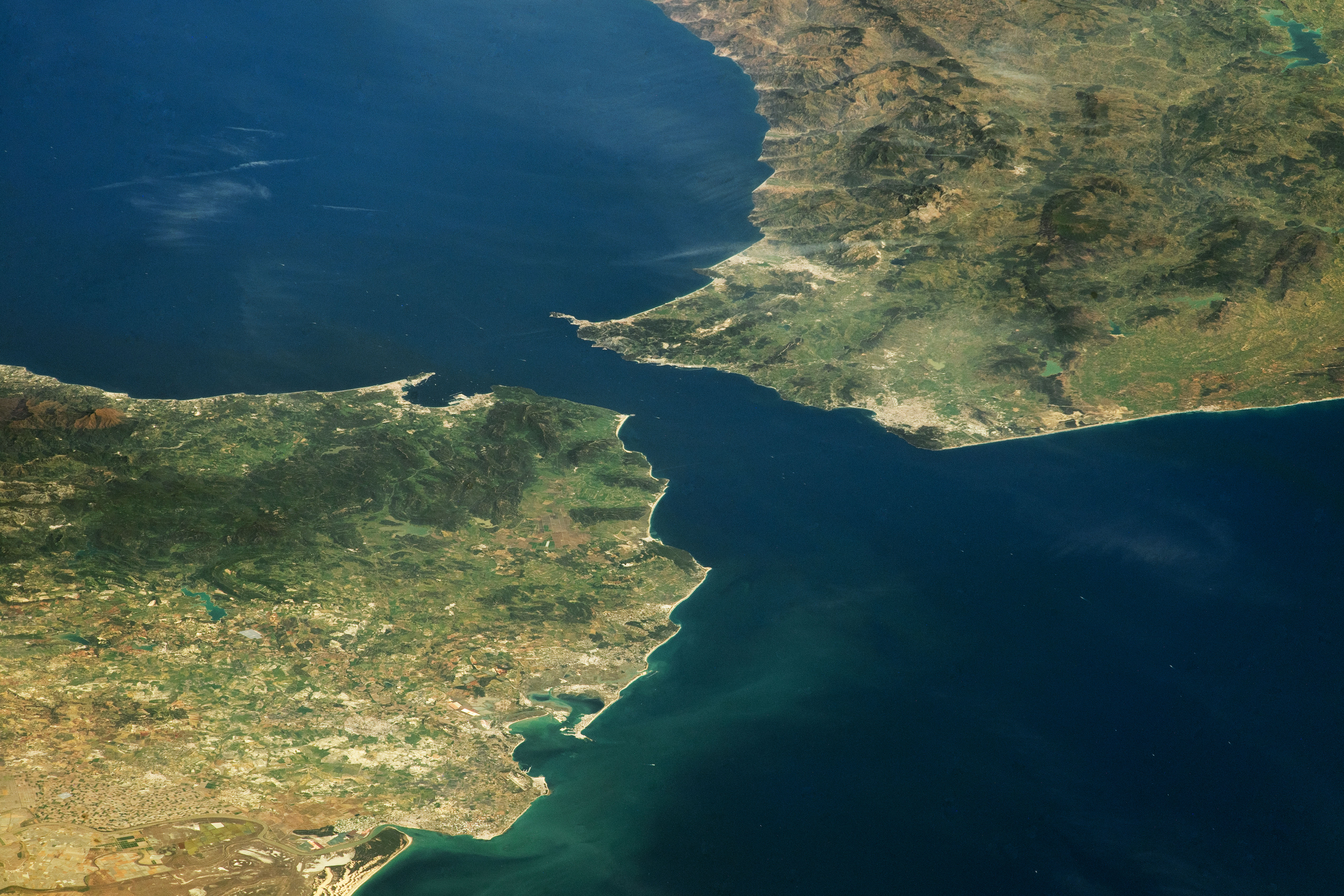
The conventional consensus paints a neat, terrifying picture: Tehran controls a twenty-one-mile-wide maritime bottleneck, and any flashpoint instantly chokes off global energy supplies, sending prices parabolic. It is a lazy narrative built on geography rather than logistics, ignoring the fundamental evolution of modern export infrastructure, storage economics, and state-level risk tolerance. I have watched risk managers panic-hedge positions on weekends over routine Iranian Revolutionary Guard Corps speed-boat harassment, only to watch the market open flat on Monday because actual physical flows never missed a beat.
Let us dismantle the panic.
The Geography Trap
The core error driving the Strait of Hormuz anxiety is a fundamental misunderstanding of how crude moves when a choke point gets tight. Commentators treat the Persian Gulf like a single-lane highway where a fender bender brings traffic to a total standstill.
Geography is real, but workaround plumbing is realer.
Look at the physical routing. The UAE and Saudi Arabia spent billions building bypass capacity specifically to neuter Tehran’s geographic leverage. The Abu Dhabi Crude Oil Pipeline skips the strait entirely, pumping Habshan crude directly to the port of Fujairah on the Gulf of Oman. Saudi Arabia’s East-West Pipeline carries millions of barrels across the Arabian Peninsula to Red Sea terminals at Yanbu.
When people warn you about a total shutdown of Gulf crude exports, ask them if they have looked at pipeline utilization rates recently. They never have. They are staring at a narrow maritime passage on a Mercator projection and assuming physics stopped changing in 1980.
Insurance markets love the theater of war because fear is the most profitable commodity a marine underwriter can trade. War risk premiums spike, the syndicate collects massive payouts on temporary hull surcharges, and three weeks later, the rates drift right back down when nobody actually mines the shipping lanes. You are paying a toll on an imaginary bridge closure.
Why Iran Cannot Afford the Doomsday Scenario
To understand why a total blockade of the US-UAE shuttle is a paper tiger, you have to look at Tehran’s balance sheet, not their rhetoric.
Iran is not an isolated actor operating in an economic vacuum. Their primary customer base sits across the East China Sea. Beijing buys the vast majority of Iranian crude that slips past international sanctions through shadow-fleet transfers and ship-to-ship lightning. If Iran shuts down the Strait of Hormuz, they choke off their own lifeblood. You cannot blockade a gulf and expect your own tankers and covert buyers to magically glide through unbothered.
Statecraft in the Persian Gulf is an exercise in calibrated friction. It is about gray-zone signaling, seizing minor foreign-flagged vessels to use as diplomatic bargaining chips, and maintaining domestic political theater. It is never about triggering a total kinetic war that would instantly draw a crushing maritime response from the US Fifth Fleet and completely alienate the few remaining buyers keeping Tehran’s central bank solvent.
When the media breathlessly reports that Iran is targeting US-UAE joint oil ventures or shipping lanes, they confuse tactical harassment with strategic disruption. A drone buzzing a tanker is a provocation designed to get a headline. Sinking a VLCC loaded with crude is an act of economic suicide.
The Real Vulnerability Nobody Is Talking About
While traders obsess over maritime chokepoints and strait closures, they are completely blind to the actual systemic vulnerability in the Middle East energy corridor: cyber-physical disruption of terminal loading infrastructure.
Physical tankers are hard to sink, difficult to permanently stop, and easily rerouted. But digital control systems at mega-terminals like Ras Tanura or Fujairah? Those are software-dependent.
State-backed threat actors do not need to deploy fast boats or anti-ship missiles to disrupt crude flows. A sophisticated ransomware or wiper attack targeting port management systems, automated custody transfer meters, or loading arm telemetry can halt tanker turnarounds for days without firing a single shot. That is the vector modern intelligence agencies worry about. The headline-grabbing speed-boat maneuvers in the strait are just designed to look scary while the real operational risks happen quietly behind firewall logs.
If you are positioning a portfolio around Middle East supply risk, stop staring at the shipping lanes. Start auditing terminal cybersecurity preparedness and pipeline redundancy choke points inland.
How to Trade the Noise
Stop buying panic. When the headlines scream about an imminent blockade in the Strait of Hormuz, your immediate reaction should not be to chase crude futures. Your reaction should be to sell the volatility spike.
The structural oversupply cushion managed by OPEC spare capacity, combined with non-OPEC shale resilience and massive strategic petroleum reserves, means that minor maritime skirmishes are entirely priced into physical oil markets within hours. The days of a single regional flare-up permanently knocking out ten percent of global supply without an immediate, aggressive compensatory release are over.
The market has matured. The plumbing has adapted. The only thing that hasn't evolved is the financial press's addiction to apocalyptic geography.
Ignore the sirens. Trade the plumbing.