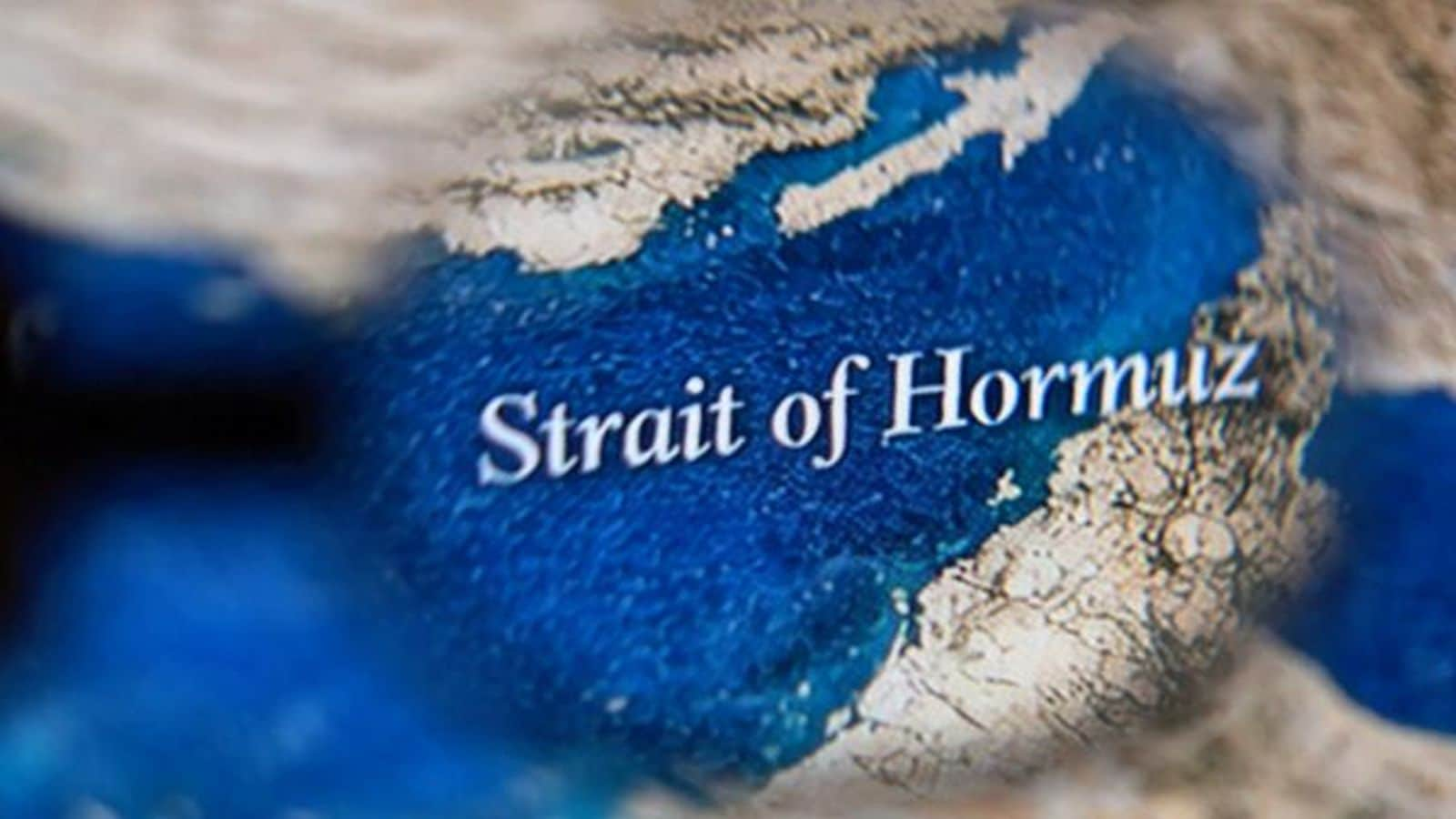
Cargo vessels moving crude oil and liquefied natural gas through the Strait of Hormuz navigate a narrow stretch of water where geography meets geopolitical hostility. When Iran increases interference, boarding attempts, or missile threats against commercial shipping in this vital artery, global markets shudder. Tankers carrying roughly a fifth of the world's petroleum supply crawl past the Musandam Peninsula while naval patrols watch every radar blip. The underlying reality involves more than simple piracy or sporadic naval skirmishes. Tehran treats this chokepoint as a strategic valve. When economic pressure mounts from international sanctions, naval assets near the Strait become tools of coercion, weaponizing the vulnerability of maritime commerce.
Anatomy of a Maritime Chokepoint
Look at a map of the Middle East, and the problem becomes glaringly obvious. The Strait of Hormuz pinpoints an opening barely twenty-one miles wide at its narrowest point, with inbound and outbound shipping lanes each just two miles wide separated by a heavily monitored buffer zone. Iranian territory forms the entire northern coastline, placing shore-based anti-ship missile batteries, fast attack craft, and submarine units within striking distance of every single passing tanker. Meanwhile, you can explore related developments here: Jonathan Powell Is Not Peacemaking He Is Cleaning Up a Bureaucratic Trainwreck.
Decades of military build-up transformed these coastal waters into an asymmetrical killing zone. Conventional carrier strike groups provide a deterrent, but they cannot occupy every square mile of coastal water or stop a swarm of armed speedboats from harassing a commercial vessel before a helicopter can arrive from open sea. Shipping companies know this calculus well. Insurance premiums spike overnight following any reported seizure, turning routine energy transit into a high-stakes financial gamble.
Ship owners face a grim set of choices. They can absorb the soaring costs of war-risk insurance, reroute through longer and more expensive alternative corridors where available, or pause operations entirely. None of these options protect end consumers from the resulting price shock at fuel pumps from Tokyo to Rotterdam. To understand the bigger picture, check out the recent report by TIME.
The Economic Leverage of Disruptive Force
Sanctions bite hard, but maritime disruption bites back. For Tehran, maintaining pressure on the Strait serves as a crude yet effective mechanism to impose costs on the international community. When oil and gas flows climb to meet global demand, the volume of targets moving through the narrow corridor increases proportionally. More ships mean more leverage.
The strategy relies on ambiguity. Using Revolutionary Guard speedboats rather than regular naval grey-hulls allows for plausible deniability during hit-and-run harassment. Mines, drones, and cyber attacks on port infrastructure add layers of threat that cannot be easily countered by traditional naval escorts. A single tanker hit or detained creates global panic that outweighs the military expenditure required to stage the incident.
Energy traders price this anxiety directly into futures contracts. Every warning broadcasted by regional commands translates immediately into cents added to a barrel of Brent crude. The market has learned to treat the Strait as a perpetual vulnerability, insulated only by the thin veneer of ongoing naval deterrence operations led by multinational task forces.
Navigating the Gray Zone
Military planners call this gray-zone conflict. It sits comfortably below the threshold of declared war, preventing a massive conventional response while still achieving strategic objectives. Western navies patrol the Gulf with sophisticated Aegis destroyers and P-8 surveillance aircraft, yet interception rates remain reactive rather than preventative.
Stopping a swarm of fast boats requires split-second rules of engagement that favor caution to prevent accidental escalation into all-out regional war. Iran understands this hesitation and exploits it relentlessly. The result is a tense cat-and-mouse game played out across choppy desert waters, where multi-billion-dollar warships shadow fiberglass skiffs armed with heavy machine guns and rocket-propelled grenades.
Commercial operators bear the brunt of this gray-zone strategy. Masters of ultra-large crude carriers face unprecedented stress as commercial drone sightings multiply near offshore platforms and traffic separation schemes. Crew safety protocols now routinely include armed security details standing watch on bridge wings—a throwback to historical piracy adapted for twenty-first-century state-sponsored intimidation.
The Fragility of Modern Supply Chains
Modern energy infrastructure assumes uninterrupted transit. Refineries in Asia and Europe rely on precise, just-in-time delivery schedules maintained by massive tankers churning through the Persian Gulf without interruption. A disruption lasting merely days can cascade through regional distribution networks, emptying storage terminals and forcing governments to tap strategic petroleum reserves.
Alternative pipelines, such as Saudi Arabia's East-West pipeline or the Habshan-Fujairah pipeline in the United Arab Emirates, offer limited relief by bypassing the Strait to the Red Sea or the Gulf of Oman. However, their capacity falls far short of total maritime volume. The world cannot simply pipe its way around Hormuz.
As long as global energy consumption demands passage through this narrow aquatic throat, the risk profile remains elevated. No amount of diplomatic posturing or temporary naval reinforcement alters the underlying geography. The Strait of Hormuz remains a loaded pistol pointed directly at the heart of the global economy, resting securely in the hand of a government willing to pull the trigger whenever economic isolation demands a response.


