The rain does not merely fall in Bangkok; it arrives like an invading army. It starts with a sudden, heavy darkening of the afternoon sky, turning the harsh glare of the tropical sun into an ominous, bruised violet. Then comes the wind, tearing through the dense tangle of overhead electricity cables, rattling corrugated iron roofs, and sending street vendors scrambling to pull heavy plastic tarps over their carts of grilled skewers and sticky rice.
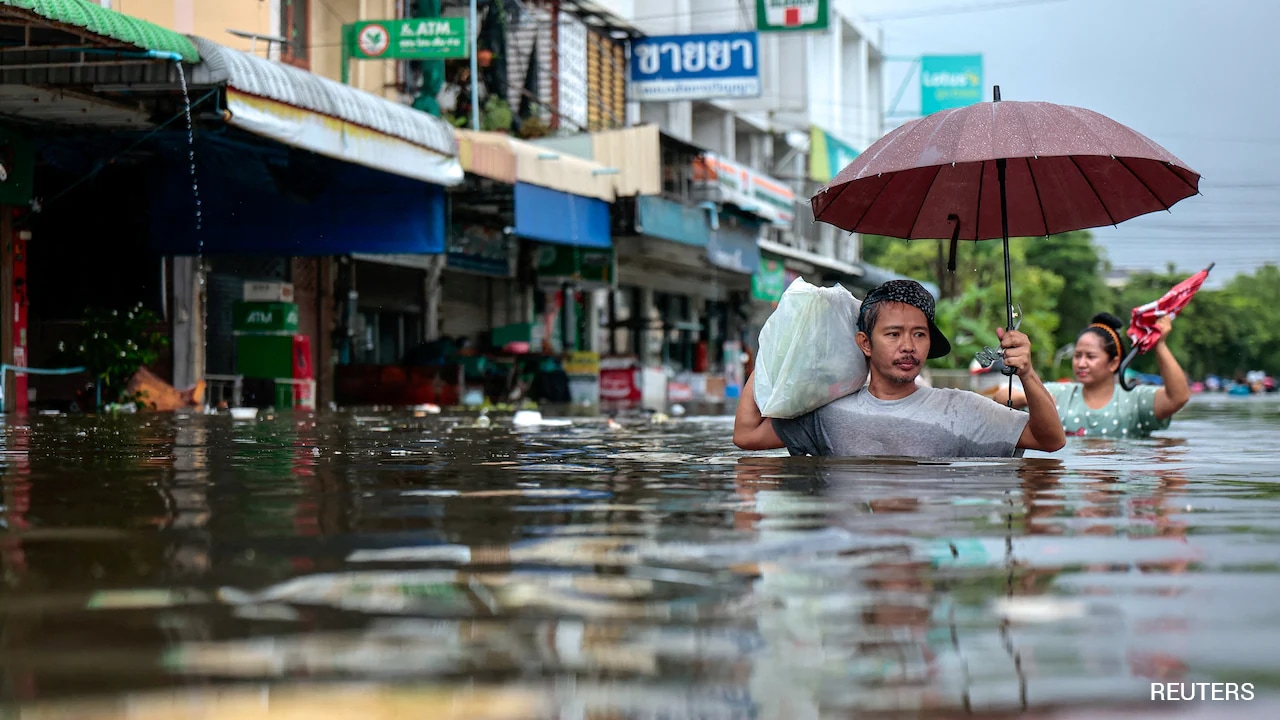
When the first drops hit, they are heavy as coins. Within minutes, the asphalt vanishes. The streets transform into murky, brown rivers where sandals float away like abandoned paper boats and the low-slung exhaust pipes of stalled motorcycles gurgle underwater.
For the casual tourist sipping iced coffee in an air-conditioned mega-mall, a torrential downpour is a temporary inconvenience, an excuse to linger over a pastry while waiting out the storm. But for the seven hundred thousand residents whose daily lives are entwined with the city's vulnerable drainage arteries, the rising water is a quiet crisis. It is an intricate, exhausting dance with gravity, concrete, and the relentless tides of the Chao Phraya River.
To understand what it means when hundreds of thousands of people are caught in an urban flood, one must look past the dry statistics and enter the narrow alleys, known as sois, where the city truly lives.
Consider Somchai. He is fifty-four years old and runs a small electrical repair shop tucked down a narrow soi in the Lat Phrao district. His shop sits just a few inches below street level, a relic of an older building era when the road outside had not yet been paved over multiple times to combat sinking ground levels.
When the monsoon rains swell and the drainage canals fail to keep pace, Somchai does not wait for municipal alerts. He knows the warning signs by heart. The first sign is not the rain itself, but the smell—a sharp, earthy tang of stagnant canal water and damp earth rising from the floor drains. The second sign is the frantic barking of stray soi dogs abandoning their favorite napping spots against concrete walls to seek higher ground on brick stoops.
Within an hour, the water crosses his threshold. It laps gently against the wooden legs of his workbench, where half-repaired electric fans and vintage radios sit in precarious towers. Somchai moves with a practiced, heavy-hearted efficiency. He hefts heavy plastic crates onto concrete blocks, salvaging customer electronics before the brown tide reaches the electrical outlets.
He is not angry. Anger is a luxury reserved for those with somewhere else to go. Instead, Somchai feels a profound, weary resignation. This is his life every rainy season. It is a tax paid in sweat, damaged inventory, and sleepless nights spent sweeping silt out the front door with a stiff-bristled broom long after midnight.
Multiply Somchai's experience by seven hundred thousand, and you begin to grasp the human footprint of Bangkok's water crisis.
Bangkok was never meant to be a concrete fortress. Founded over two centuries ago in the delta of the Chao Phraya River, the city was conceived as a Venice of the East—a network of floating houses, wooden boardwalks, and a dense lattice of canals called khlongs that served as both highways and natural drainage basins. Water was not an enemy; it was the lifeblood of transport, commerce, and agriculture.
Over the decades, progress arrived with heavy machinery and bags of cement. Canals were paved over to make way for multilane highways, skytrain pillars, and endless square miles of shopping districts and residential high-rises. Natural wetlands, swamps, and retention basins—the sponge of the region—were steadily filled in to accommodate a booming urban population.
Now, the city is paying the bill for its own rapid transformation. Bangkok sits on a low-lying delta, much of it just over a meter above sea level. Compounding this geographical vulnerability is a phenomenon known as land subsidence. Decades of heavy groundwater extraction by industrial and residential users, combined with the immense weight of massive concrete structures, have caused the ground beneath the city to sink by several centimeters each year in certain areas.
In simple terms, Bangkok is sinking faster than the sea level is rising, though both threats are closing in simultaneously. When a massive downpour dumps a month's worth of rain in a single afternoon, the water has nowhere natural to go. It cannot soak into asphalt. It cannot drain into filled-in canals. It pools in low-lying depressions, turning intersections into lakes and trapping commuters in gridlocked buses for hours.
The municipal drainage system is an engineering marvel of pumping stations, underground retention tunnels, and flood gates, but it is constantly running a race against time and physics. When a torrential rainstorm coincides with an exceptionally high tide in the Gulf of Thailand, the Chao Phraya River swells and pushes back against the city's drainage outlets. The water literally has nowhere to drain because the river is higher than the streets.
During these moments, the city holds its breath. Pumping stations roar day and night, sending plumes of brown water shooting out into the river, but the volume often overwhelms the capacity.
Navigating this submerged metropolis requires a unique set of survival skills. On a flooded Bangkok street, hierarchies dissolve. Office workers in crisp white shirts and tailored trousers roll up their pants, slip off their leather shoes, and wade through knee-deep water alongside delivery drivers balanced precariously on the footpegs of sputtering motorbikes.
Makeshift ferries appear in some neighborhoods—long-tailed wooden boats charging a few baht to carry pedestrians from dry island to dry island across flooded avenues. Improvised bamboo bridges are constructed overnight by enterprising residents, charging a small toll for safe passage over deep, hazardous trenches where open manhole covers lurk beneath the surface like invisible traps.
The hazards of urban floodwaters are not just inconvenience and ruined property. There is an invisible, silent risk that lingers in the murky brown liquid. The water swirling through the streets carries urban runoff, discarded trash, oil sheen from parked vehicles, and bacteria from overwhelmed sanitation systems. A small scratch on an ankle can quickly turn into a painful infection if exposed to stagnant flood water for too long.
Stray electrical currents represent another persistent danger. In older neighborhoods with aging wiring, exposed cables dangling near street level become lethal tripwires when submerged. Residents walk with their eyes fixed firmly on the water surface, watching for ripples that might signal an electrified puddle or a hidden obstacle.
Yet, amid the disruption, something remarkable happens in the alleys of Bangkok. The crisis strips away the aloofness of modern urban life. Neighbors who might have lived next door to each other for years without exchanging more than a polite nod suddenly find themselves cooperating.
Across the street from Somchai's shop, an elderly woman named Auntie Lek runs a small open-air food stall. When the floodwaters rise, her cooking fires are extinguished, and her ingredients are threatened. Without a word being spoken, younger neighbors form a human chain, passing heavy bags of rice and crates of vegetables up the concrete steps to the second floor of her family home.
In another soi, a group of teenagers uses a flat wooden pallet as a raft to deliver bottled drinking water and dry meals to elderly residents who are unable to leave their second-floor rooms. Children splash in the shallows with makeshift plastic kickboards, treating the flooded street like an impromptu neighborhood pool, their laughter cutting through the dreary gray hum of the rain.
This resilience is not born of romantic optimism; it is forged through generations of living with the unpredictable temperament of the monsoon. Thai culture has a specific phrase for this endurance—sao or the quiet acceptance of difficult circumstances coupled with a refusal to break. People adapt because they must. They build low concrete walls around their doorways, install removable metal flood barriers, and keep spare pumps humming in the back corners of their garages.
Solutions are being debated, tested, and implemented across the city, though progress is inevitably slower than the rising water. Urban planners and engineers are looking toward nature-based solutions rather than relying solely on taller concrete walls. Projects like Chulalongkorn University Centenary Park—a massive green space designed to double as an underground water retention basin during heavy rains—offer a glimpse of a different urban future. These "sponge parks" absorb millions of gallons of runoff, holding it temporarily before releasing it safely into the drainage network once the peak storm has passed.
Other proposals involve dredging and expanding remaining canals, upgrading pumping infrastructure, and strict zoning regulations to preserve remaining agricultural green zones on the city's outskirts that naturally absorb excess water. But retrofitting a sprawling metropolis of over ten million people is an immense, agonizingly slow logistical puzzle.
For now, the seven hundred thousand residents affected by the seasonal floods remain on the front lines of a changing climate and an evolving urban landscape. They are the living proof of a city caught between its watery origins and its concrete ambitions.
As evening falls, the rain finally begins to ease, tapering off from a deafening roar to a steady, rhythmic patter, and then to silence. The clouds break just enough to let a pale, amber light wash over the wet rooftops and glossy asphalt.
Outside his shop, Somchai steps out into the cool evening air. The water has receded by a few inches, leaving behind a slick layer of fine, grey mud across the concrete walkway. He rolls up his sleeves, picks up his push broom, and begins to sweep. He does not smile, but he works with steady, methodical rhythm. Tomorrow, the business will reopen. The radios will be tested, the customers will return, and Bangkok will keep breathing, waiting quietly for the next storm.