Ink is supposed to record history, not rewrite the geography of human possibility overnight. Yet back in January, a diplomatic cable slipped out of Washington with the quiet violence of an administrative avalanche. It did not sound loud. It was typed in the sterile, unfeeling syntax of bureaucratic memos. It simply declared that for nationals of seventy-five specific countries—roughly forty percent of the nations spinning on this earth—the doors to permanent American life were bolted shut.
Consider what that means for a kitchen table in Bogotá or Cairo or Port-au-Prince. It means years of accumulated savings, medical exams cleared, interviews passed, and tearful goodbyes to aging parents rendered meaningless by a single bureaucratic fiat. The official rationale was old armor polished up for a modern crusade: the public charge rule. The argument claimed that newcomers from these flagged territories bore an inherent risk of needing public assistance. Behind closed doors, exceptions did not matter. Proof of employment did not matter. Family ties to American citizens did not matter.
If you were born within the borders of those seventy-five designated lands, your outcome was predetermined before you ever walked into a consulate. The desk officer could look at your spotless financial records, your specialized engineering degree, or your clean bill of health, and it would change nothing. The rubber stamp hovered over the paper, programmed to fall one way: denied.
Enter a federal courtroom in Manhattan on a Friday in late August.
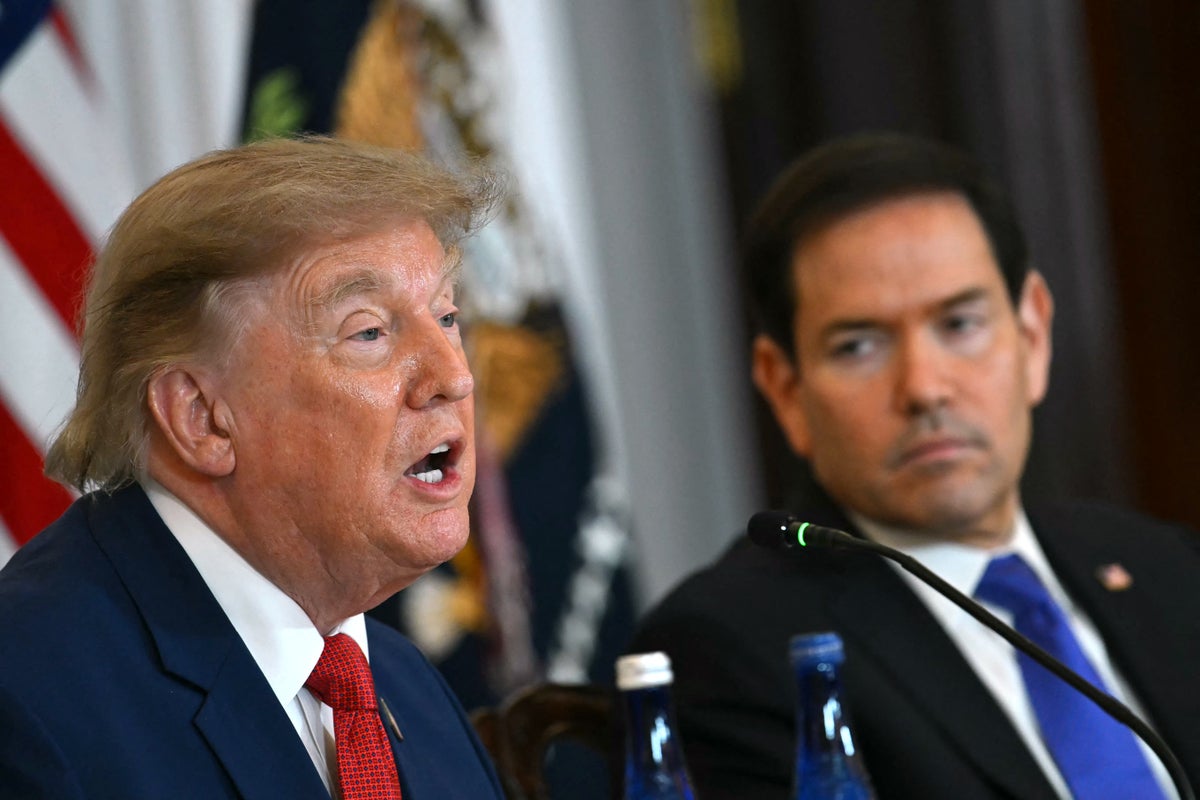
Judge Jeannette Vargas looked at the machinery of this blanket exclusion and called it what it was. In a sharp, unequivocal ruling, the court struck down the entire directive, finding that Secretary of State Marco Rubio had stepped entirely outside the boundaries of his lawful jurisdiction. The law, as written decades ago, intentionally strips the Secretary of State from controlling the microscopic details of individual visa grants or refusals. That power belongs exclusively to consular officers on the ground, tasked with weighing a human being's actual merits, not their passport's color.
To treat entire nationalities as walking liabilities is to ignore the architecture of the Immigration and Nationality Act. Passed in 1965 to dismantle old, discriminatory quotas, that historic statute was built on a simple premise: look at the individual. Look at the nurse who wants to care for patients in Chicago. Look at the software developer who wants to build a life in Austin. Look at the daughter who wants to look after her aging, naturalized mother.
When the executive branch tries to bypass that individualized review with a broad brush across seventy-five countries, it commits a structural error. Judge Vargas dismantled the policy piece by piece, describing the government's defense as an exercise in Orwellian logic. The court noted that telling officers to pretend they are evaluating applicants while secretly forcing them to reject everyone anyway makes a mockery of due process.
The ruling instantly vacates every single visa refusal that relied solely on this unlawful mandate. Consular posts must now reopen those files and look at applicants as people, not statistics on a high-risk spreadsheet.
Yet, the legal victory does not instantly erase the months of suspended lives, the abandoned apartment leases abroad, or the crushing weight of institutional rejection. Bureaucracy moves at the speed of a glacier when it builds walls, but it must now scramble to pick up the rubble. For thousands of families watching from across oceans, the ruling is not just a constitutional correction. It is permission to hope again in a system designed to wear them down.
The pen strokes of power can draft exclusions that span continents, but they remain tethered to the unyielding anchor of the law. When power reaches too far, the line snaps.