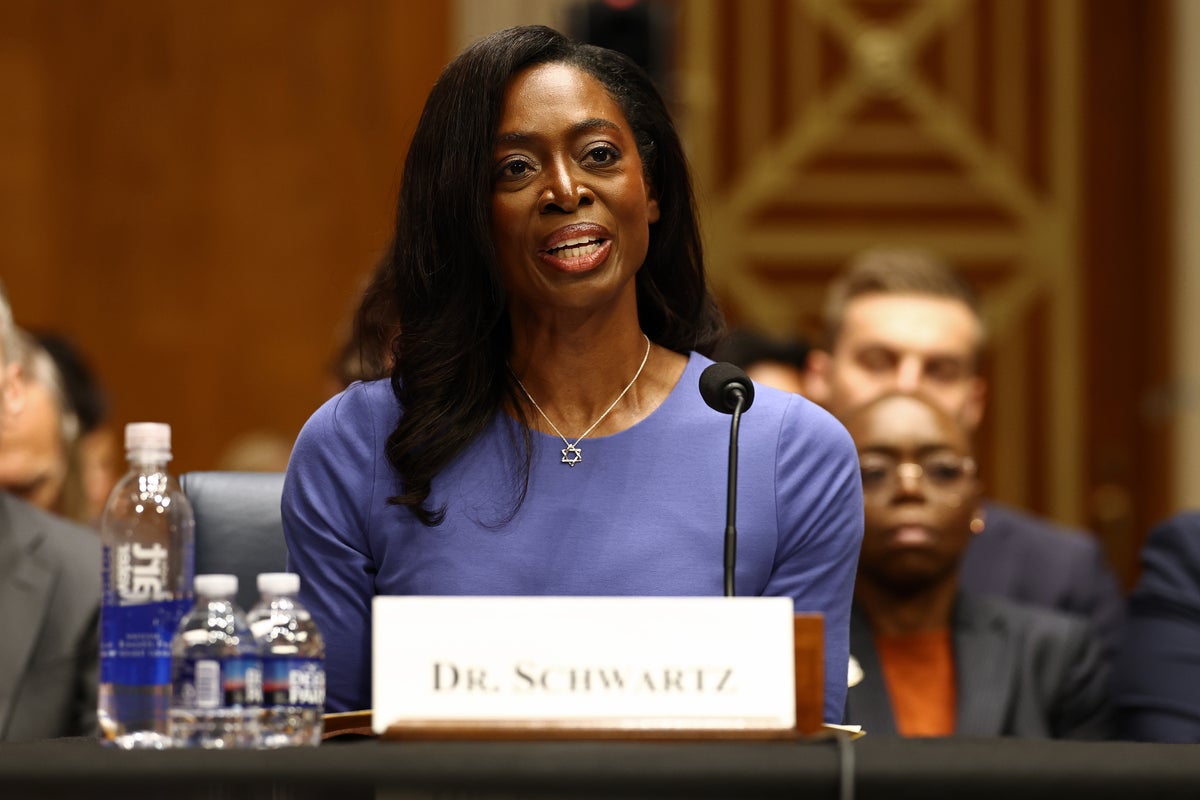
The United States Senate confirmed Dr. Erica Schwartz as the director of the Centers for Disease Control and Prevention by a 51 to 44 vote, concluding a governance vacuum that persisted for nearly twelve months. This transition installs the agency's first permanent head since the ouster of Susan Monarez, who was dismissed after twenty-nine days for resisting unauthorized alterations to federal vaccine schedules. Schwartz enters an administrative environment characterized by structural attrition, institutional friction, and externalized political directives managed by Health and Human Services Secretary Robert F. Kennedy Jr.
Evaluating this appointment requires dissecting the mechanics of public health governance under intense political stress. The agency is not merely navigating a leadership deficit; it is operating under a constrained operational budget, reduced headcount following federal workforce reductions, and persistent skepticism from both legislative overseers and the scientific community.
The Three Structural Vectors Facing the New Administration
Administrative stability at the federal level depends on resource allocation, institutional autonomy, and technical execution. Schwartz inherits an organization compromised across all three vectors.
- Human Capital Depletion: The agency experienced widespread personnel losses during 2025 through coordinated reductions in force, voluntary resignations, and leadership expulsions. Critical competencies in epidemiology, data science, and vector-borne surveillance have been hollowed out, leaving the organization heavily reliant on institutional memory retained by mid-level civil servants who survived the purge.
- Methodological Capture: The conflict between scientific consensus and political intervention reached an inflection point when prior leadership was terminated for refusing to pre-approve directive-driven changes to immunization guidelines. The structural mechanism of this capture involves bypassing the Advisory Committee on Immunization Practices to mandate policy changes via political appointees.
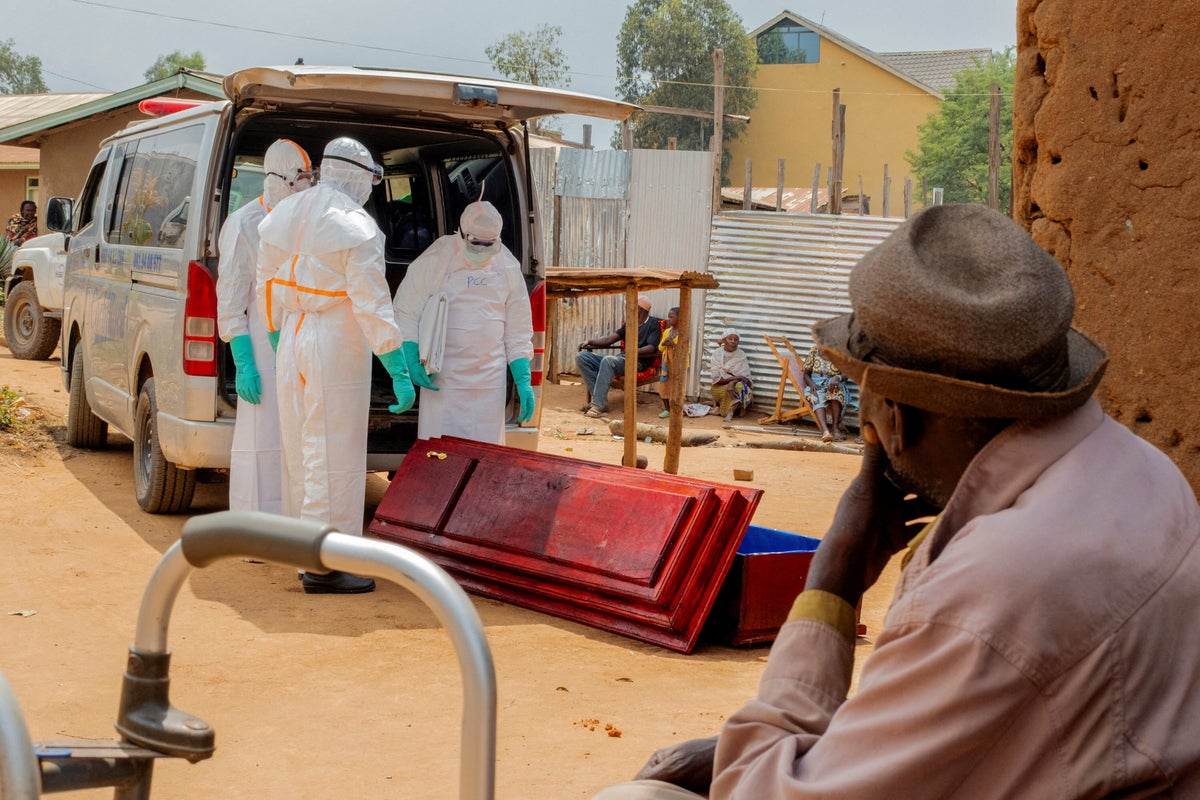
- Operational Strain: Concurrent public health emergencies, including multi-state cyclosporiasis clusters, rising measles transmission, and global containment operations for outbreaks such as Ebola in the Democratic Republic of the Congo, demand immediate allocation of scarce field epidemiologists.
These vectors create a high-friction operational environment where administrative survival requires constant navigation between empirical science and executive fiat.
The Cost Function of Political Compliance
Schwartz brings a specialized background that distinguishes her from typical academic or political appointments. As a retired Navy rear admiral, former deputy surgeon general, and trained attorney holding both an M.D. and a J.D., her career has been forged within hierarchical, disciplined command structures. Military medicine values chain-of-command integrity and mission execution under restrictive parameters. However, public health administration operates under different axioms. Science relies on falsifiability, peer review, and transparent data sharing—principles that directly conflict with top-down ideological directives.
During her confirmation hearings before the Senate Health, Education, Labor, and Pensions Committee, lawmakers repeatedly interrogated this tension. Senator Bill Cassidy pressed Schwartz on whether she would resist improper directives aimed at altering scientific communication or vaccine safety data. While committee skepticism was partially mitigated by her military background and assurances that she would protect scientific integrity, her reluctance to explicitly delineate boundaries regarding specific past policy interventions exposed the fundamental vulnerability of her position.
The cost function for the new director involves a direct trade-off: compliance with political leadership ensures institutional survival and tenure, whereas rigid adherence to empirical consensus invites termination, mirroring the fate of her predecessor. The structural incentives favor self-censorship, creating a silent erosion of institutional credibility.
Tactical Realities of Disease Surveillance and Credibility
Public health authority is an intangible asset backed by institutional trust. When an agency's data or guidance becomes perceived as politically filtered, compliance among local health departments and private practitioners drops precipitously. This breakdown manifests across three distinct operational challenges currently facing the agency:
- Surveillance Blind Spots: Reduced staffing levels directly impair the agency's ability to aggregate real-time epidemiological signals from state and local laboratories. Early detection systems for novel pathogens rely on unhindered data flows that require active cooperation from municipal health officers who may distrust federal mandates.
- Communication Integrity: Guidance on immunizations and outbreak containment must clear layers of political review. When public health messaging diverges from established clinical evidence, physicians default to guidance from professional societies rather than federal directives, fracturing the national health response.
- Global Health Security: Pathogens do not respect administrative boundaries. The agency's capacity to monitor international outbreaks—such as current hemorrhagic fever clusters abroad—depends on international partnerships that view politicized American health institutions with growing apprehension.
Strategic Operational Play
To arrest institutional decline, the incoming director must deploy a targeted operational framework focused on preserving core technical functions while erecting firewalls around empirical data collection.
Isolate the data pipelines. Shield core epidemiological databases, such as the National Notifiable Diseases Surveillance System, from political interference by embedding automated reporting protocols that minimize discretionary administrative filtering.
Decouple tactical response teams from policy controversies. Empower career civil servants to manage ongoing vector-borne and foodborne investigations—such as cyclosporiasis and measles responses—without requiring clearance from political appointees for standard epidemiological updates.
Establish transparent metrics for scientific integrity. Publish all changes to guidance alongside the raw data and expert committee reviews that justified them, forcing political interventions to withstand public scrutiny.
The trajectory of the agency over the next 24 months will be determined by whether military-style operational discipline can successfully coexist with scientific independence, or if institutional capture will complete the dismantling of the nation's primary disease control apparatus.