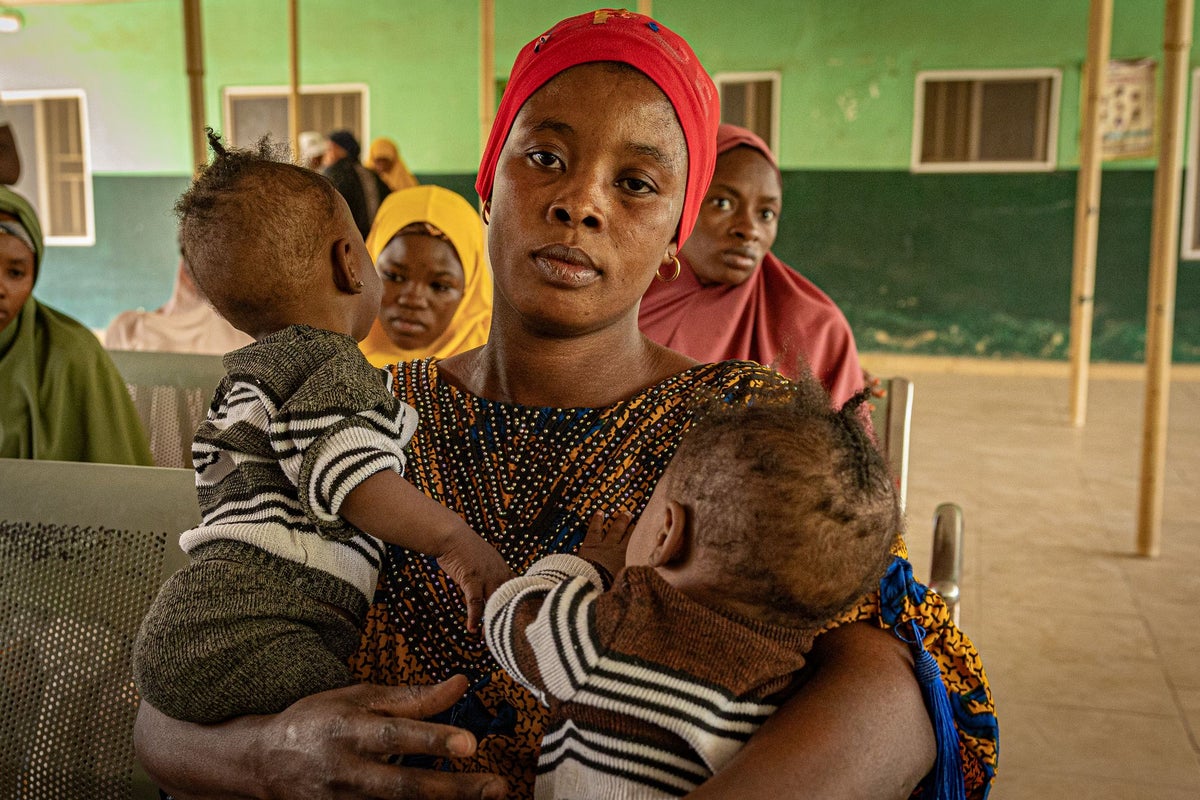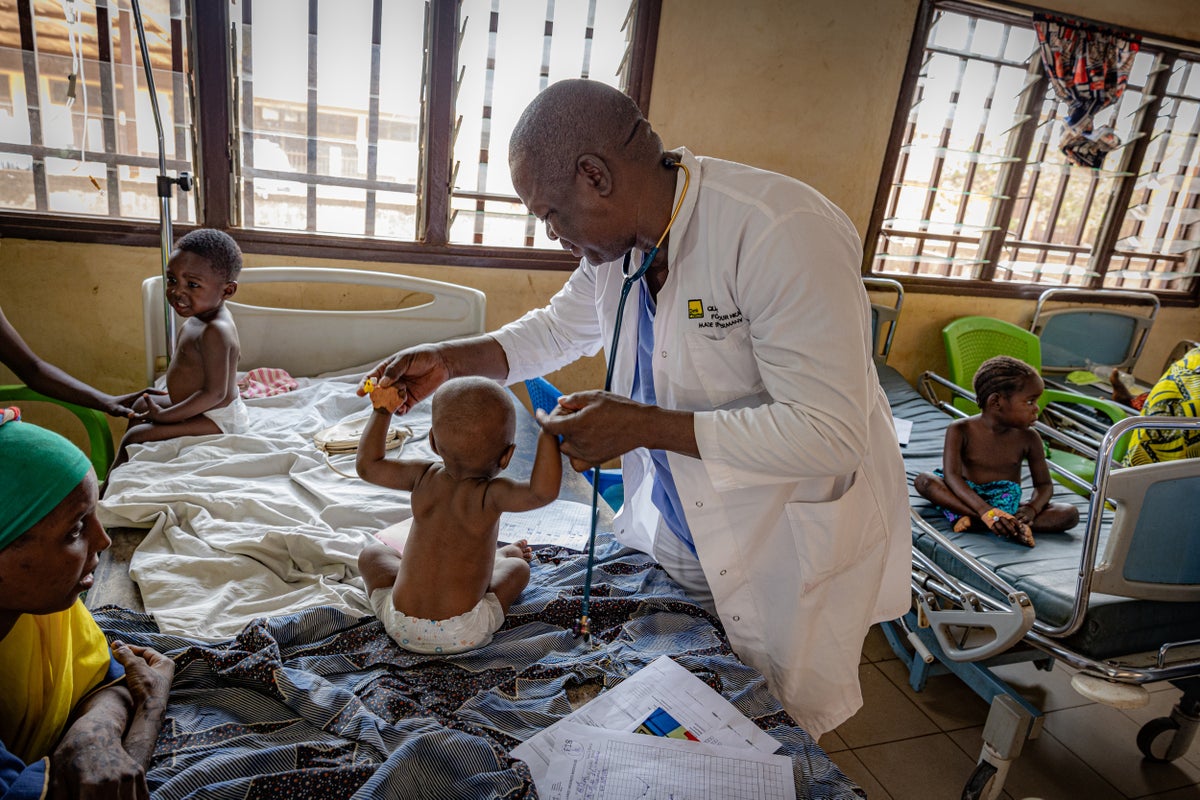
When international development budgets contract, the immediate indicator of system failure is rarely a sudden macroeconomic collapse; it is an acute, measurable spike in neonatal mortality within fragile states. The direct casualty of aid reduction is not abstract policy, but the operational continuity of primary health care facilities in vulnerable communities. Reductions in institutional funding disrupt supply chains, deactivate referral pathways, and shift the financial burden of care directly onto impoverished households, turning treatable perinatal complications into fatal events.
Understanding this dynamic requires abandoning emotional rhetoric and analyzing the exact transmission mechanisms through which funding deficits translate into infant deaths. A systematic examination of this crisis reveals specific failure points across resource allocation, logistical bottlenecks, and household economics.
The Operational Anatomy of Perinatal Vulnerability
To map how aid cuts accelerate newborn deaths, one must first deconstruct the operational dependencies of maternal and child health infrastructure in low-income settings. These systems rely on continuous external capital to subsidize three core operational pillars: commodity security, human resource retention, and infrastructural power stability.
When donor disbursements recede, the first vector of failure is commodity depletion. Essential supplies—including oxytocin for hemorrhage prevention, magnesium sulfate for eclampsia, and chlorhexidine for umbilical cord care—disappear from clinic shelves. Supply chains in these regions operate on thin, donor-supported margins. Without continuous replenishment cycles, facilities experience stock-outs within weeks.
The second vector targets human capital. Many frontline health workers in vulnerable zones receive their baseline remuneration, hazard pay, or performance incentives through international non-governmental organization (INGO) grants rather than domestic treasuries. When these grants terminate, absenteeism spikes, facilities reduce operating hours to daylight-only schedules, or skilled birth attendants migrate to urban centers or higher-paying sectors.
The third vector involves infrastructural integrity. Cold-chain storage for vaccines, functional sterilization equipment, and emergency lighting for night deliveries depend on consistent fuel or electrical grid access. As institutional support wanes, these systems fail, forcing facilities to turn away patients during critical nocturnal delivery windows.
The Cost Function of Out-of-Pocket Expenditure
The withdrawal of external aid triggers a structural shift in healthcare financing from public or donor subsidization to direct out-of-pocket expenditure. In populations living at or below subsistence levels, any introduction of user fees, medication costs, or transport charges functions as an absolute rationing mechanism.
When a clinic can no longer provide free or subsidized emergency obstetric care, families face immediate liquidity constraints. The financial friction of childbirth escalates across three distinct phases:
- Diagnostic and Pharmacological Fees: Families must purchase basic delivery kits, intravenous lines, and antibiotics independently from local vendors, often at inflated market rates.
- Logistical Tariffs: The cost of hiring transport—such as fuel for motorcycles or rental vehicles—to reach a secondary-level hospital during an obstructed labor becomes prohibitive.
- Opportunity and Productivity Losses: The primary caregiver's absence from agricultural or informal labor compounded by burial costs creates a compounding intergenerational economic shock.
This financial barrier alters healthcare-seeking behavior. Pregnant individuals delay seeking care until complications become severe, frequently arriving at health posts in irreversible physiological states, such as profound septic shock or prolonged obstructed labor leading to uterine rupture and fetal asphyxia.
Logistical Bottlenecks in Disrupted Referral Networks
A resilient maternal-child health network relies on a functional three-tier hierarchy: community health posts, primary health centers, and comprehensive emergency obstetric and newborn care hospitals. Aid reductions typically rupture the communication and transport links between these tiers.
Community health workers, who serve as the early detection nodes for high-risk pregnancies, often lack basic monitoring tools like functional blood pressure cuffs or urine test strips when commodity pipelines freeze. Consequently, conditions like gestational hypertension go undiagnosed until they transition into eclamptic seizures.
Furthermore, when a primary clinic identifies a neonatal complication requiring advanced intervention—such as respiratory distress syndrome in a preterm infant requiring continuous positive airway pressure—the referral mechanism fails. Without fuel for ambulances or functional telephone networks to coordinate reception at the destination hospital, patients are stranded in decentralized facilities unequipped to manage complex pediatric cases.
The absence of intermediate stabilization protocols means that small, manageable deficits in thermal regulation or initial feeding support escalate into fatal systemic infections or hypothermia-induced metabolic acidosis.
Epidemiological Transmission Vectors of Neonatal Collapse
The ultimate rise in mortality is driven by the convergence of specific clinical pathologies that thrive in resource-constrained environments. Without preventive interventions and immediate clinical management, three primary conditions account for the vast majority of excess neonatal deaths following health system contractions.
First, severe neonatal infections, including sepsis, tetanus, and pneumonia, surge. These infections are driven by unhygienic home deliveries occurring because women avoid under-resourced, fee-charging facilities, combined with the lack of antiseptic cord care supplies.
Second, birth asphyxia rates climb due to inadequate monitoring during labor. Fetal heart rate monitoring requires consistent human attention and functional equipment; when staff ratios plummet due to unpaid salaries, prolonged labors go undetected until the infant sustains severe hypoxic-ischemic encephalopathy.
Third, complications related to preterm birth and low birth weight become insurmountable. Interventions like Kangaroo Mother Care—which relies on counseling, family support, and consistent monitoring—are abandoned when health workers are overwhelmed or absent. Without basic supportive care, premature infants succumb to thermal instability and feeding intolerance.
Strategic Resource Allocation and Mitigation Architecture
Addressing the surge in newborn mortality requires moving beyond emergency appeals toward structural resilience models that minimize single-point-of-failure dependencies on volatile foreign aid.
Domestic health ministries and remaining international partners must decouple core operational funding from discretionary project grants, establishing guaranteed baseline budgets for essential reproductive health commodities. Procurement mechanisms should be consolidated into regional pools to maximize purchasing power and insulate local clinics against sudden currency fluctuations or supply chain disruptions.
Simultaneously, financial protection instruments must be integrated into decentralized health frameworks. Universal voucher schemes or targeted cash transfers for maternal care can neutralize the out-of-pocket barrier, ensuring that facility-based delivery remains financially accessible even as macro-level aid flows fluctuate.
Finally, human resource deployment models must transition from donor-dependent incentive schemes to sustainable civil service integration, ensuring that healthcare workers receive reliable remuneration regardless of shifts in geopolitical funding priorities.
To stabilize neonatal survival rates in fragile regions, the international community and domestic policymakers must abandon reactive crisis management in favor of redundant, locally anchored supply chains and protected health financing architectures that insulate vulnerable populations from macroeconomic volatility.