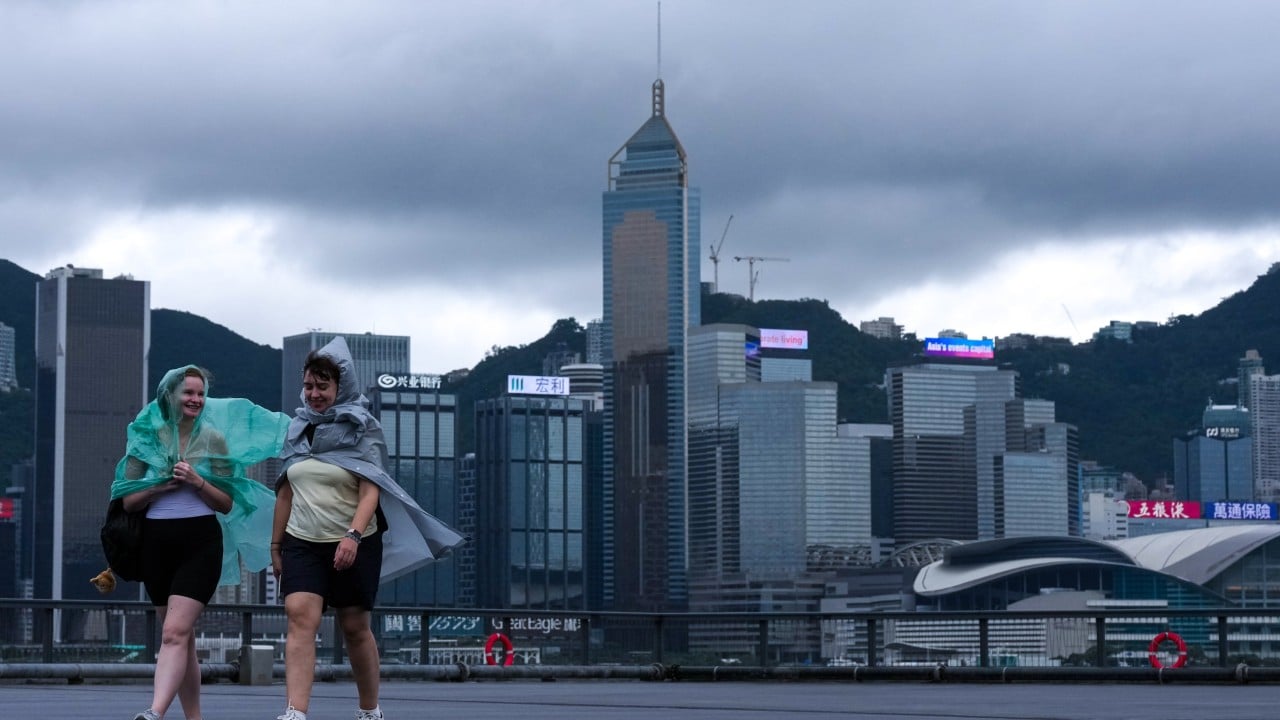
When the Hong Kong Observatory flashes that amber light, commuters on the MTR usually just sigh, adjust their umbrellas, and keep walking. You shouldn't take it quite that lightly. An amber rainstorm warning means heavy rain exceeding 70 millimeters in an hour has either fallen or is expected to hit the city widely, and it often acts as the precursor to much worse weather.
If you live here long enough, you realize these warnings are a finely tuned system designed to keep a hyper-dense metropolis moving without descending into total chaos. But what does it actually mean for your morning commute, your office policy, and your safety? Let's break down how to read between the lines when the skies open up over Victoria Harbour.
Decoding the Amber Alert
The Hong Kong Observatory uses a three-tier rainstorm system: Amber, Red, and Black. Amber is the baseline warning. It tells you that heavy precipitation is underway or imminent, bringing potential flooding to low-lying and poorly drained areas.
Unlike typhoons, which come with clear-cut signals like the dreaded T8 that automatically empty the streets and close schools, amber warnings don't shut the city down. Offices stay open. MTR lines keep running. Exams usually go ahead as planned unless conditions deteriorate rapidly. That creates a weird limbo where you're expected to navigate torrential sheets of water while pretending it's just a normal Tuesday.
The Real Risks Beyond the Skyline
Most people assume Hong Kong's advanced drainage infrastructure makes flooding a relic of the past. That's a dangerous misconception. While major arterial roads handle standard downpours well, specific spots transform into temporary lakes within minutes.
Low-lying pockets in the New Territories, rural pathways, and older urban alleys with clogged drains routinely face flash flooding. Furthermore, intense thundery showers accompanying these amber warnings often pack violent gusts—sometimes clocking in near 90 kilometers per hour in exposed areas like Lau Fau Shan. A sudden gust like that will flip an umbrella inside out and turn your commute into a miserable struggle.
How to Handle Your Work and Travel
Employers in Hong Kong have guidelines, but amber warnings rarely trigger mandatory work-from-home policies. If you're an employee caught in a heavy downpour, you basically have to rely on common sense and your company's flexibility.
If transport services are severely disrupted or localized flooding blocks your exit route, supervisors are expected to exercise discretion. Don't wait for an official corporate decree if your ground-floor office is taking on water or your usual minibus route is stranded. Check the Observatory's app, watch the radar loops, and map out alternative indoor routes through the pedestrian footbridge networks in Central or Tsim Sha Tsui to stay dry.
Practical Steps When the Sky Falls
Stop checking your phone's default weather app and keep an eye directly on the Hong Kong Observatory updates. Default apps often rely on generic global models that fail to capture Hong Kong's hyper-local microclimates.
Clear your balcony drains if you live in a high-rise apartment, and keep your shoes away from exterior doors prone to seepage. If you run a business or manage a ground-floor retail shop, keep flood boards handy the moment an amber alert pops up. Water rises fast in this city, and reacting ten minutes too late means ruined inventory.
Keep your rain gear packed, avoid hiking trails or mountain paths where slope stability becomes a real hazard during prolonged saturation, and respect the weather before it forces the Observatory to upgrade that amber signal to red.