Swatting Isn't an Unfortunate Prank—It's Organized Entertainment for the Digital Underworld
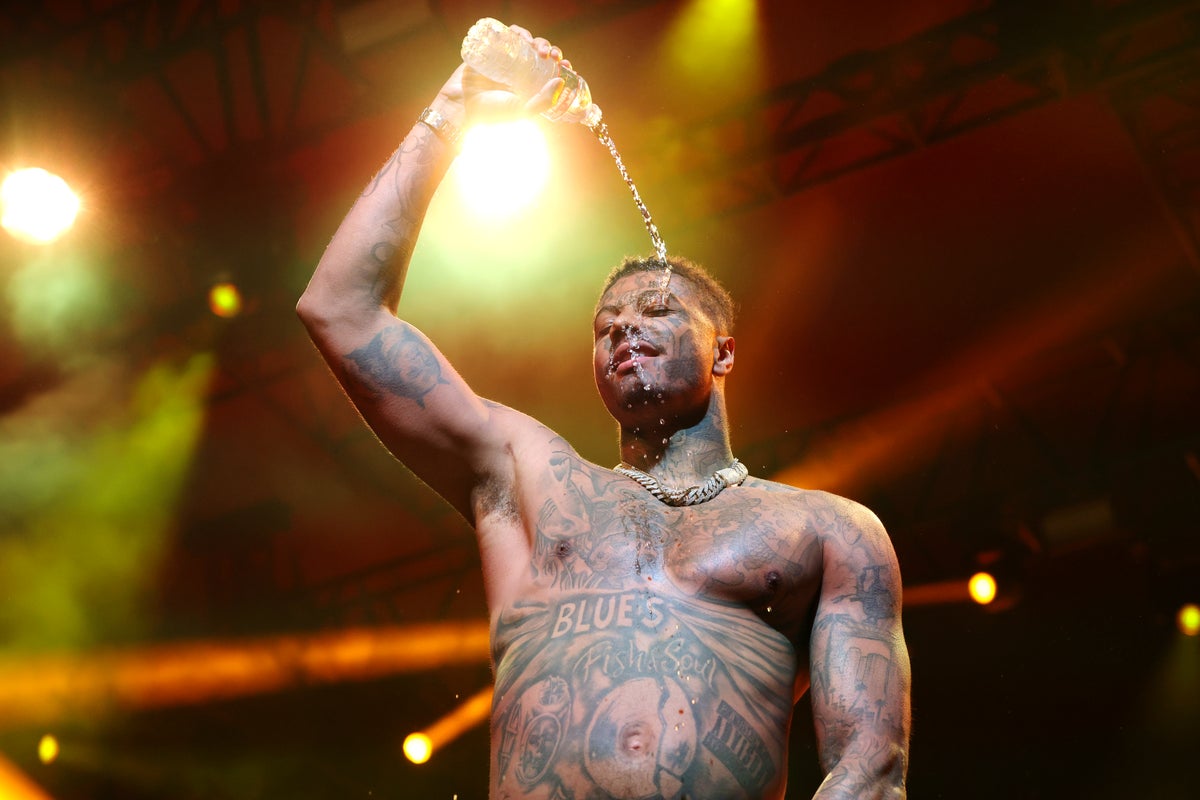
When the news broke that rapper Blueface was swatted after a prank caller alleged a double homicide and kidnapping at his home, mainstream outlets ran with the same tired script. Another tragic victim of online toxicity. Another random act of digital chaos. Another celebrity caught in the crossfire of bad actors.
That narrative is complete garbage.
Standard coverage treats swatting as a freak occurrence—a bizarre, chaotic byproduct of clout-chasing internet trolls picking a name out of a hat. They want you to believe Blueface was targeted out of nowhere, an innocent bystander in a broken ecosystem. But framing these incidents as isolated, random pranks completely ignores the underlying mechanics of modern celebrity culture, streaming platforms, and law enforcement vulnerabilities.
Swatting is not a random act of malicious mischief. It is a predictable, weaponized feedback loop fueled by the exact outrage-farming business model that modern public figures rely on to stay relevant.
The Outrage Economy Demands Escalation
Look at the mechanics of contemporary rap culture and online streaming. Attention is the sole currency that matters. Artists and influencers no longer build longevity through pure talent; they build it through constant, high-stakes friction.
Blueface's career isn't built on radio spins alone. It's built on chaotic livestreams, volatile relationships broadcast in real-time, and public conflict designed to generate clips for social media algorithms.
Here is the inconvenient truth mainstream journalists refuse to publish:
- Chaos invites chaos. When your entire personal brand relies on broadcasting unpredictable, high-stress situations to millions of strangers, you lower the barrier for bad actors to participate in that spectacle.
- The escalation treadmill is real. A viral argument doesn't hold the internet's attention for more than 48 hours anymore. The system demands bigger stakes.
- The line between audience and antagonist has dissolved. Viewers are no longer content just watching the show; swatting allows sociopathic onlookers to directly script the next scene.
Calling a heavily armed SWAT team to a residential address isn't just an annoyance—it's an attempt at state-sanctioned murder by proxy. Yet, media outlets treat it like a bizarre glitch in the system rather than the logical endpoint of hyper-interactive, high-conflict public personas.
Law Enforcement Protocols Are Trapped in 1995
Why does a single unverified phone call still dispatch a dozen officers with rifles drawn to a high-profile target's home?
The media loves to point fingers at the callers, but they routinely excuse the institutional incompetence that allows swatting to work every single time. Law enforcement agencies love to talk about "public safety," yet their dispatch protocols remain embarrassingly primitive.
The Structural Vulnerability
A caller spoofing an area code uses an anonymous VoIP service, concocts an extreme narrative involving active hostages or dead bodies, and dispatch instantly deploys maximum lethal force without a secondary layer of verification.
I've consulted with security analysts who have watched police departments burn hundreds of thousands of dollars reacting to fake emergency calls. The playbooks haven't changed in thirty years.
If a multi-million dollar police department can be tricked into raiding a house based on an unverified, 60-second phone call from an anonymous IP address, the problem isn't just the troll behind the keyboard—it's an obsolete defense system that refuses to modernize its intake procedures.
How Dispatch Systems Fail the Reality Test
| Failure Point | Current Standard | The Necessary Fix |
|---|---|---|
| Caller Authentication | Accepts spoofed VoIP numbers at face value | Mandatory cross-referencing with carrier location metadata |
| High-Risk Address Flagging | Treats public figures like standard residential addresses | Pre-registered security protocols for high-profile targets |
| Threat Assessment | Deploys tactical teams instantly on verbal claims alone | Micro-verification steps via non-lethal surveillance or direct contact |
Emergency services operate under a "worst-case scenario" mandate, which sounds noble until you realize that mandate makes them easily manipulated puppets for anyone with a voice modulator and an internet connection.
Why "Fixing" Swatting Is So Hard
Let's address the counter-argument. Law enforcement advocates will tell you that taking five extra minutes to verify a hostage situation could cost innocent lives. If a caller says someone is actively bleeding out inside a house, police cannot afford to sit in the driveway doing a background check.
That argument is valid in a vacuum. It is also the exact shield behind which lazy policy hides.
The drawback of demanding stricter verification before deploying tactical teams is obvious: in the fraction of a percent of cases where a call is legitimate, delayed response times can be fatal. Nobody wants to be the police chief who held back SWAT while a real violent crime was taking place.
But pretending that a 100% blind reaction strategy is working is equally insane. We are sacrificing the safety of residents, neighbors, and responding officers themselves—who are routinely sent into high-stress, low-information powder kegs—all to protect an outdated emergency response model that refuses to adapt to digital spoofing technologies.
Dismantling the "Harmless Internet Troll" Narrative
Stop calling these people "pranksters."
A prank is hiding someone's car keys or putting fake snow on a driveway. Falsely claiming a man just murdered his girlfriend and bound his young child is an act of terrorism. It leverages police firearms as the weapon.
The mainstream media continues to use softened language because it keeps the story palatable for midday broadcasts. "Caller falsely claims" or "Hoax call leads to police response."
Call it what it is: attempted proxy homicide.
Until the legal system and the media stop treating swatting as a quirky digital nuisance and start prosecuting it with the same severity as physical assault with a deadly weapon, nothing changes. The individuals committing these acts are not stupid; they understand the system better than the police do. They know that jurisdictional overlaps make tracking spoofed calls difficult, and they know that even if caught, sentences are often treated with a slap-on-the-wrist mentality reserved for non-violent cybercrimes.
Stop Waiting for the System to Save You
If you are a public figure, content creator, or anyone with a visible online footprint, relying on local police departments to protect you from being swatted is a fool's strategy.
The system is not equipped to handle this. You have to handle it yourself.
- Pre-emptively register with your local precinct. High-profile individuals need to establish direct contact with local police leadership. Get your address placed on a high-risk verification list that alerts dispatch to cross-check emergency calls before breaching your doors.
- Obfuscate your physical footprint. If your property records, vehicle registrations, and delivery destinations are easily discoverable via basic OSINT (Open Source Intelligence) techniques, you are handing targets to the internet on a silver platter.
- De-escalate your digital footprint. If your entire public appeal relies on manufacturing volatile, real-time drama, understand the tax that comes with it. You cannot broadcast hyper-aggression to the world and expect the world not to respond in kind.
The incident involving Blueface wasn't a freak accident. It was the predictable result of a broken police apparatus colliding with an attention economy that rewards maximum chaos. Until we stop treating these events as surprising headlines and start addressing the systemic vulnerabilities that enable them, the next bad call isn't a matter of if—it's a matter of when.