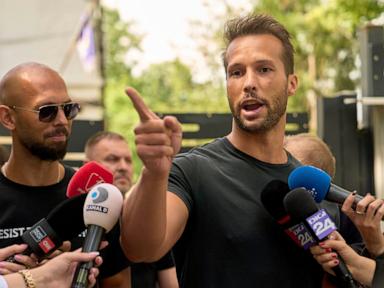
When you build an entire digital empire on the premise of absolute, unbridled wealth, private jets, and untouchable status, don't be surprised when a federal prosecutor uses those exact claims against you in a courtroom. That's the messy reality Andrew and Tristan Tate are currently navigating inside a Miami federal courthouse.
The polarizing social media influencers have been sitting tight inside the Federal Detention Center in Miami since their July 18 arrest. They're fighting tooth and nail against an extradition request from the United Kingdom, where they face a staggering lineup of criminal charges including rape and human trafficking. U.S. Magistrate Judge Lauren Louis held a crucial bond hearing to determine if the brothers can walk free while that extradition process plays out, a timeline expected to drag on for months as British authorities compile their formal evidence files.
Getting bond in an international extradition case is already an uphill battle. But the Tates' defense team faced a uniquely ironic hurdle of their own creation: convincing a federal judge that all those years of flexing extreme luxury online were basically a work.
When Internet Flexing Backfires in Federal Court
For years, Andrew and Tristan Tate marketed themselves as hyper-wealthy alpha males with fleets of exotic cars, multiple passports, and access to private superyachts. They posted videos alongside a $2.1 million Aston Martin, Bugattis worth millions, and a $50 million superyacht.
When federal prosecutors pointed to these assets and warned the court that the brothers' immense wealth and international mobility made them an extreme flight risk, the defense had to pivot fast. Their strategy? Admitting in court documents that a lot of it was exaggerated clickbait.
According to their attorneys, the multi-million dollar cars and superyachts were rented props or paid promotional gigs rather than personal property. They argued that Andrew's past boasts about holding up to eight passports from countries like Estonia, Vanuatu, and Nigeria were just satirical jokes meant to boost engagement.
It's a tough sell. Judges tend to take statements made about international travel documents and capital quite seriously, regardless of whether they were originally designed for an online audience.
The Core Legal Battle Playing Out in Miami
International extradition isn't a trial to determine guilt or innocence. It's a narrow administrative and legal bridge designed to decide whether a person should be handed over to a requesting nation to face trial there.
In this case, the U.K. Crown Prosecution Service has brought heavy allegations. The charges span multiple accusers and include serious sexual offenses and human trafficking counts allegedly stretching across several years. British authorities have until mid-September to deliver their full evidentiary packages to the U.S. State Department.
Until then, the immediate argument is purely about custody. Prosecutors argued that no bond package could mitigate the risk of flight given the brothers' dual U.S. and U.K. citizenship, global connections, and substantial online revenue streams.
Conversely, the defense leaned heavily on the fact that the brothers complied with pretrial restrictions during their separate legal battles in Romania, arguing that this compliance proves they won't run from justice. They also maintained that their massive public profile makes hiding out or slipping across borders virtually impossible.
What Happens Next in the Tates' Global Legal Saga
The legal pressure on the brothers is mounting from multiple directions. Alongside the British extradition push and ongoing legal troubles in Romania, they've also faced scrutiny closer to home. Despite vocal online support for political figures like Donald Trump, the White House made it clear early on that the brothers should expect zero diplomatic intervention or special favors.
If Magistrate Judge Louis denies bond, the Tates will remain locked inside the federal detention facility just steps away from the courthouse while their defense teams prepare to pick apart the U.K.'s extradition evidence piece by piece once it arrives. If bond is somehow granted, expect strict electronic monitoring, steep financial guarantees, and severe travel restrictions. Either way, the Miami courtroom is just the latest battleground in a multi-country legal war that is nowhere near finished.


