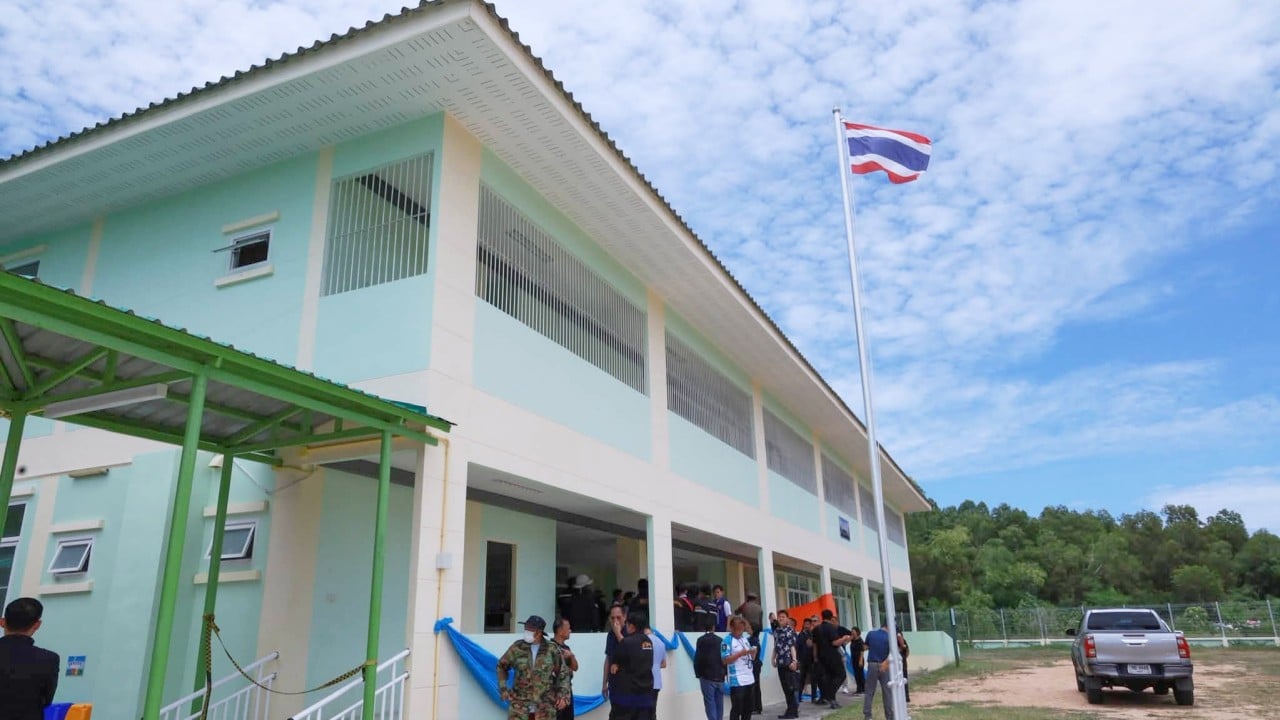
Another school shooting in Thailand has left a community shattered and forced national leaders to confront an escalating crisis. A gunman walked into the Nongplalai Municipal Kindergarten in Chonburi province, about 150 kilometers southeast of Bangkok, and fatally shot a teacher. The attacker, identified by authorities as the victim's husband and a local policeman, fled the scene immediately while police surrounded his accommodation to negotiate his surrender.
All 44 children and three other teachers inside the facility were evacuated safely. Chonburi Governor Narit Niramaiwong ordered an immediate school closure and deployed mental health experts to support traumatized students and staff. While quick action prevented a larger student casualty count, the incident exposes deep structural vulnerabilities in Thai school safety and reignites intense public debate over firearm access.
The Reality of Gun Access in Thailand
Thailand maintains some of the highest rates of civilian gun ownership in Asia. Despite having relatively restrictive legal frameworks on paper, enforcement loopholes, illicit trafficking, and easy access to weapons among law enforcement personnel create severe risks.
This latest tragedy in Chonburi follows a string of high-profile security failures involving weapons in educational spaces. Just weeks prior, a 14-year-old student opened fire at a high school and a family home, killing eight people before taking his own life. Another similar incident occurred earlier in the month when a teenager discharged a firearm at a school in Kamphaeng Phet province.
When domestic disputes and youth volatility intersect with widespread firearm availability, classrooms become frontline danger zones.
Systemic Failures and Policy Responses
Public pressure following these recurring tragedies has forced the national government to initiate strict reviews of existing gun regulations. Authorities have suspended the issuance of new firearm permits and launched comprehensive audits of current holders. Critics argue these measures arrive too late.
Real reform requires looking beyond temporary permit freezes. Law enforcement agencies face urgent internal pressures to evaluate mental health and domestic abuse indicators among armed personnel. When a perpetrator is embedded within the security apparatus itself, standard protective protocols fail.
Protecting Students Moving Forward
Schools need tangible, proactive security upgrades rather than reactive policy statements. Effective institutional defense starts with strict visitor screening protocols, controlled access points, and emergency evacuation drills that account for targeted domestic violence threats spilling onto campus grounds.
Mental health infrastructure across Thai provinces remains severely underfunded. Providing trauma support after a crisis happens is basic damage control. Communities need accessible intervention channels long before domestic disputes escalate into active school shootings.
The children at Nongplalai Municipal Kindergarten survived because teachers executed rapid evacuation procedures. Relying on the bravery of educators during an active attack is an unacceptable strategy for national education safety. Real accountability means closing legal loopholes, stripping weapons from individuals showing behavioral red flags, and treating school security as a non-negotiable public utility.


