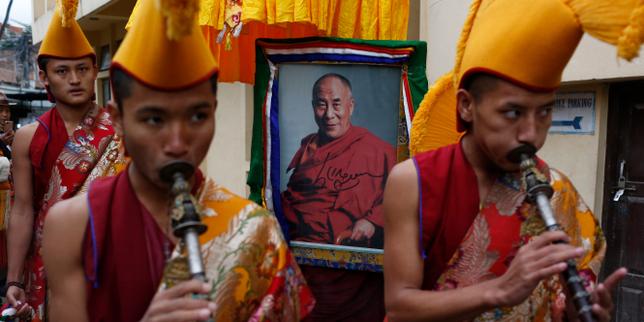
Academic freedom just took a massive hit in South Asia. More than seven hundred scholars from around the globe planned to gather in Kathmandu for the International Association for Tibetan Studies seminar. They spent three years preparing for this massive event. Then, a quiet warning from Beijing changed everything. Kathmandu University was told to drop out as host, forcing the entire convention into a virtual format.
If you think academic research is immune to geopolitics, you're not paying attention. Let's break down what actually happened behind the scenes and why this incident matters far beyond a single cancelled gathering.
The Anatomy of a Quiet Cancellation
The 17th Seminar of the International Association for Tibetan Studies was supposed to run from August 23 to 29. Everything looked fine for years. All parties agreed on the venue back in 2023 without any official pushback.
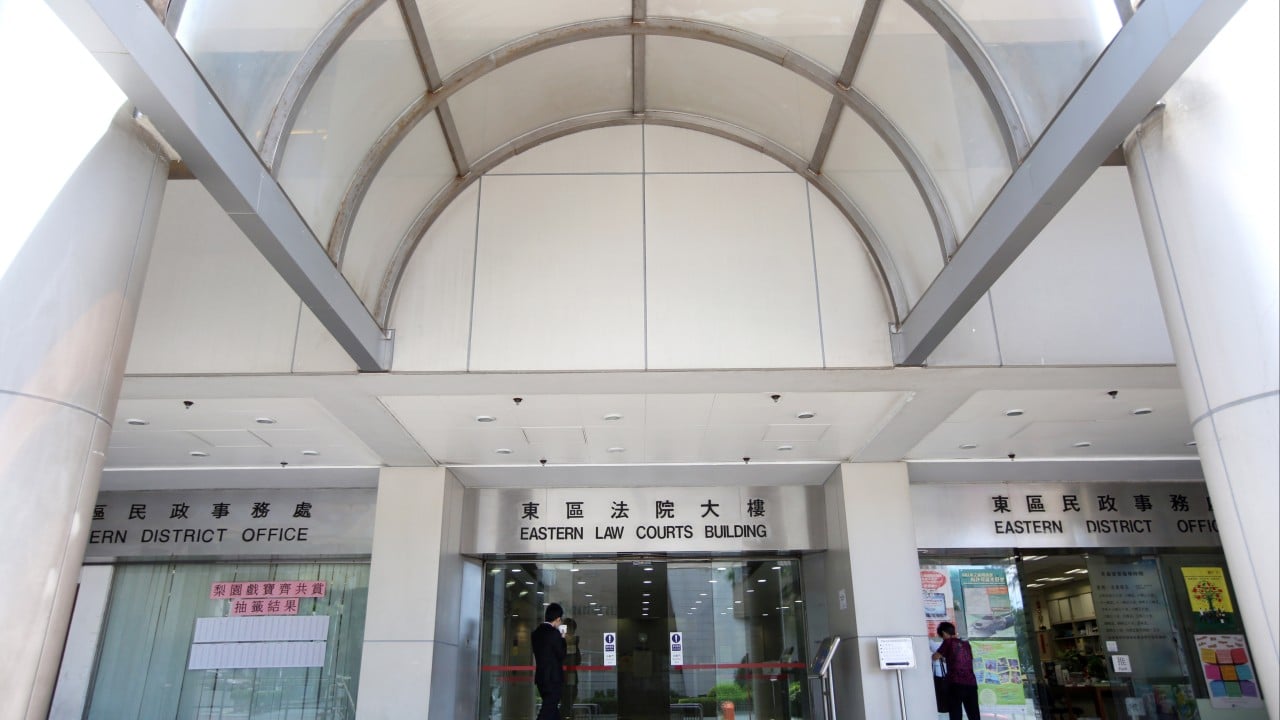
Everything shifted in early August. Nepal's Chief Secretary Govinda Bahadur Karkee and Foreign Secretary Amrit Bahadur Rai reportedly delivered a verbal instruction to top officials at Kathmandu University. They didn't hand over a written decree. They just told the university leadership that hosting a seminar on Tibet wasn't appropriate right now.
Faced with intense diplomatic pressure from the Chinese Embassy in Kathmandu, the university stepped down. Rather than letting the event die completely, the IATS advisory board scrambled, held an emergency meeting, and voted to take over the event online.
Why Beijing Cares About Tibetan Studies Conferences
China views international discourse on Tibet as a direct threat to its sovereignty narrative. Beijing doesn't just manage domestic policy inside the autonomous region; it actively tries to shape global academic research on Tibetan history, language, and culture.
When independent scholars gather to share objective findings, it complicates the official state narrative. This tension recently intensified with the rollout of broader legal frameworks targeting overseas activities deemed harmful to China's interests. Stopping an in-person seminar in a neighboring country like Nepal fits a long pattern of cross-border pressure.
Nepal finds itself caught in an impossible balancing act. China is a massive trading partner and northern neighbor. At the same time, Nepal hosts thousands of Tibetan refugees and shares deep religious and cultural ties with the Himalayan plateau. When Beijing expresses displeasure, Kathmandu usually bends to avoid diplomatic friction.
The Official Denial Game
Government officials in Kathmandu played typical political defense once news broke. Spokespeople for the prime minister's office denied issuing any formal order to cancel the physical event. They claimed the university postponed it independently.
That technicality matters little to the scholars who invested years into travel arrangements and research papers. A verbal warning carries just as much weight as a signed document when your institutional funding and state relations are on the line.
Francoise Robin, acting president of the IATS, called the move a very regrettable development. Scholars can still present their findings through computer screens, but a digital meeting loses the spontaneous hallway debates and deep networking that physical conferences provide.
What This Means for Academic Independence
This incident sends a chilling message to universities across Asia and beyond. If a major international association can get pushed off a physical campus at the eleventh hour, smaller institutions will think twice before hosting controversial topics.
Academic freedom requires physical spaces where ideas can collide without state interference. When foreign governments dictate who can meet and what can be discussed, universities stop being centers of independent thought and turn into extensions of foreign policy.
Check the updated conference schedules if you planned to attend. Support open-access research initiatives that refuse to bow to political intimidation, and keep pushing for transparency when institutions cave to foreign pressure.