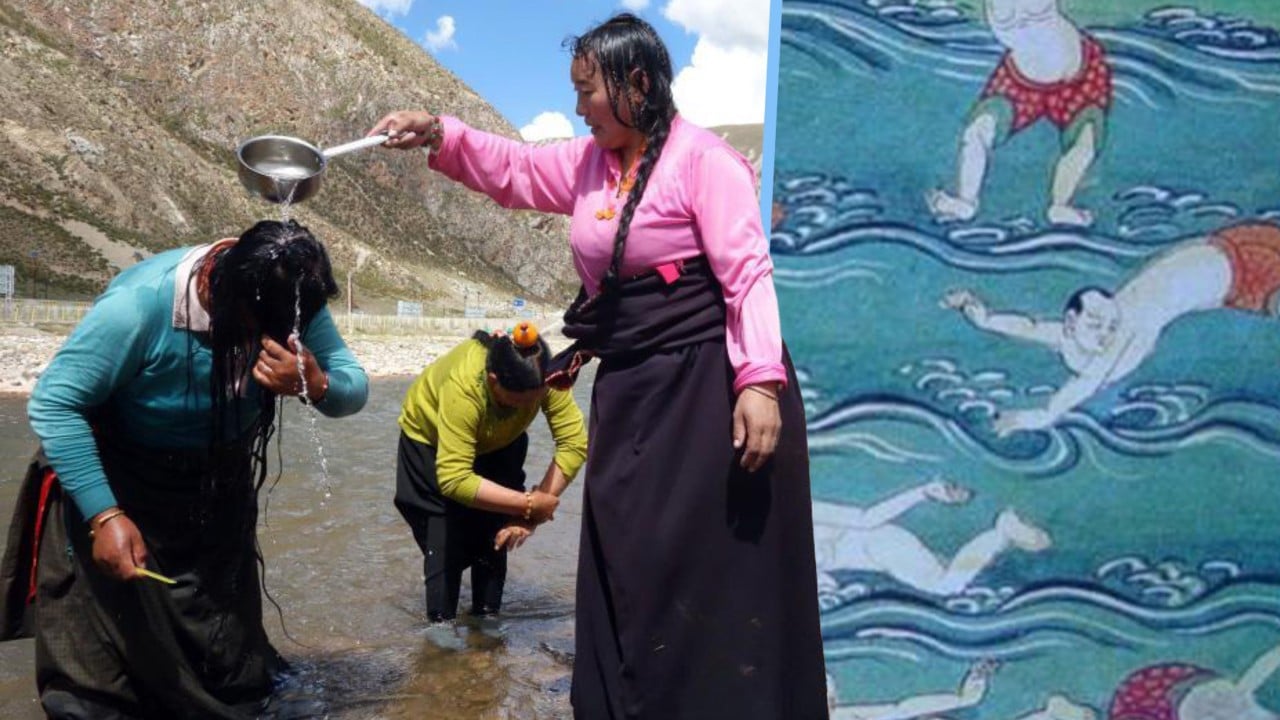
Imagine sitting by a frigid Himalayan stream under a sky so clear it looks like glass. You aren't just there for the view. You're there to jump in. For seven days every autumn, thousands of Tibetans head to the Lhasa River and other natural waterways for Karma Dunba, or the Tibetan Bathing Festival. It's a week where spiritual cleansing meets a massive outdoor party. If you think your morning shower is refreshing, you've got nothing on this centuries-old tradition.
The festival usually kicks off in the seventh month of the Tibetan lunar calendar. This timing isn't random. It coincides with the appearance of the Venus star, known locally as the Gama Jiacha. Tibetans believe that when this star shines over the plateau, the water in the rivers becomes medicinal. It’s not just about getting clean; it’s about healing the body and soul for the year ahead.
The Science and Superstition of Sacred Water
You might wonder why anyone would choose to bathe in glacial runoff as the weather starts to turn cold. There is a method to the madness. According to Tibetan traditional medicine, the water during this specific week gains eight distinct virtues. It becomes sweet, cool, soft, light, clear, clean, unharmful to the throat, and soothing to the stomach.
While modern skeptics might point to the changing mineral content of the water as the seasons shift, for locals, the power comes from the star. Legend says that a long time ago, a terrible plague swept through Tibet. Avalokitesvara, the bodhisattva of compassion, saw the suffering and sent a divine physician to earth. The physician appeared as a star, and his radiance turned the river water into medicine. Ever since, the tradition has stuck. It's a mix of folk belief and a genuine appreciation for the natural environment.
It Is Not Just a Bath It Is a Social Hub
Don't picture a quiet, meditative dip. Karma Dunba is loud. It's vibrant. Families pack up their tents, grab their copper pots, and head to the riverbanks for the entire day. They bring enough food to feed an army—yak butter tea, dried meat, and plenty of barley wine (chang).
Once they finish their ritual bath, the real fun starts. People set up elaborate picnics. They sing traditional folk songs and dance the Gorshey (circle dance). It’s a massive community bonding event. For younger people, this is a prime time to meet someone new. You’ll see groups of friends socializing, flirting, and making connections that often lead to marriage. It’s basically a high-altitude, tech-free version of a social media app, but with better scenery and actual human contact.
The atmosphere is infectious. You see elders scrubbing their clothes in the river—because even your laundry gets a spiritual boost—while kids splash around and teenagers try to look cool while shivering. There’s a sense of shared identity that’s hard to find in the modern, disconnected world. Honestly, it’s beautiful.
How to Respectfully Experience Karma Dunba
If you’re planning to visit Tibet during the Bathing Festival, you need to understand that you aren't just a spectator. You’re a guest in a deeply spiritual space. Don't just stand there with a massive camera lens pointed at people while they’re in the water. That’s awkward and disrespectful.
- Dress modestly. Even though it’s a bathing festival, it’s not a beach in Ibiza. Tibetans usually wear light clothing or wraps while bathing in public.
- Ask before you click. Most people are incredibly friendly and will happily pose for a photo if you ask, but respect their privacy during the actual ritual bath.
- Bring an offering. If you get invited to join a family’s picnic—which happens more often than you’d think—having some fruit or tea to share goes a long way.
The best spots are usually along the Lhasa River near the Potala Palace or the Kyichu River. You’ll see the banks lined with colorful tents and smell the woodsmoke from cooking fires from miles away.
Why Traditions Like This Still Matter
We live in a world where everything is sanitized and scheduled. We take five-minute showers and rush to work. The Tibetan Bathing Festival forces a pause. It demands that you stand in nature, acknowledge the change of seasons, and reconnect with your community. It reminds us that health isn't just about vitamins; it’s about your environment and your relationships.
There is something grounding about the cold water hitting your skin while the sun warms your face. It’s a physical jolt that reminds you you’re alive. If you ever get the chance to witness it, don't just watch from the sidelines. Dip your hands in. Feel the "medicinal" water.
If you want to plan a trip, look for the late September or early October window. Check the Tibetan lunar calendar specifically for the seventh month. Book your permits early, as travel to Tibet requires specific paperwork that takes time to process. Pack a warm jacket, leave your ego at the door, and get ready for the most meaningful bath of your life. Don't forget to try the yak butter tea—it’s an acquired taste, but it’ll keep you warm when that mountain breeze kicks in.
The festival ends as abruptly as it begins. Once the Venus star disappears from the sky after the seventh night, the water is just water again. But for those who took part, the "cleansing" lasts much longer. It's a reset button for the soul. Pack your bags, find a local guide, and see it for yourself. Just don't expect the water to be warm. It won't be. But that's exactly the point.