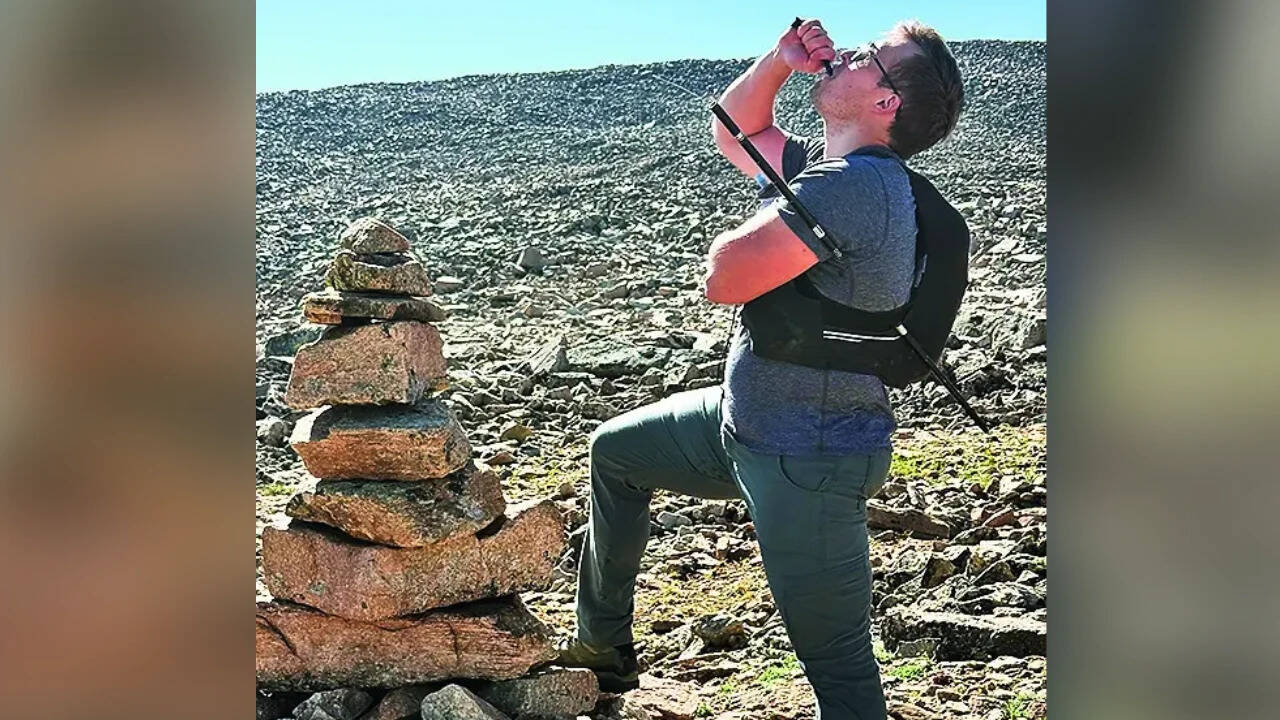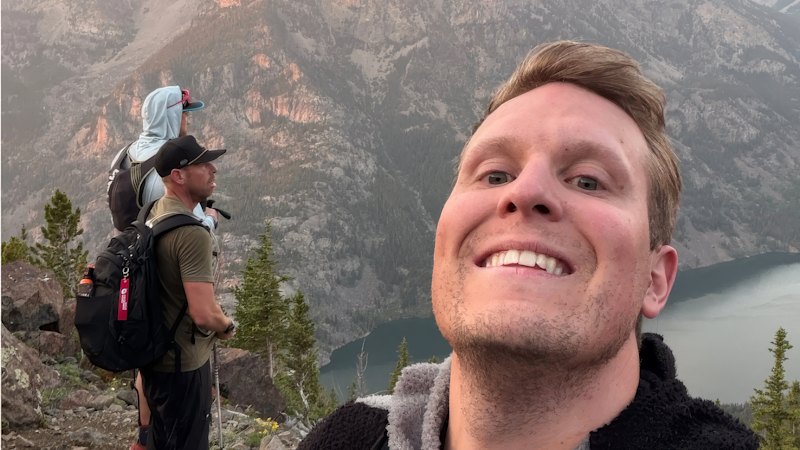
When a high-consequence medical emergency unfolds ten miles into an alpine ascent, survival hinges entirely on the immediate triage methodology applied during the first one hundred and twenty seconds. On July 20, 2026, during an expedition up Montana's 12,799-foot Granite Peak, a 32-year-old wound care nurse experienced a catastrophic mechanical failure of footing on the Froze-to-Death Plateau. The resulting fall drove a steel-tipped trekking pole through his torso, entering beneath the left arm and protruding through the back. Rather than initiating an immediate aerial evacuation, the party executed a self-extraction protocol, marching six and a half hours across ten miles of rugged terrain with the foreign body remaining fully lodged. Deconstructing this event reveals specific operational lessons regarding penetrating trauma management, foreign object stabilization physics, and risk calculus in remote environments.
The Triad of Field Triage Variables
Emergency response frameworks in remote wilderness settings require an immediate evaluation of three independent variables: structural stability of the injury, rate of internal hemorrhage, and environmental exposure risk. When a foreign object penetrates the torso, the primary diagnostic priority is determining whether the object has compromised the pleural cavity, major vascular bundles, or visceral organs.
- Structural Integrity: The object must remain static relative to the surrounding tissue. If a foreign body shifts during movement, it acts as a cutting edge, exacerbating internal lacerations with every muscular contraction.
- Hemodynamic Stability: Absent massive external blood loss, the absence of rapid shock indicators—such as acute hypotension, tachycardia, or diaphoresis—suggests major arterial trunks were spared.
- Egress Calculus: The distance to definitive care versus the time-to-arrival of aerial assets dictates whether movement introduces more risk than stationary shelter.
In this instance, the patient performed an instantaneous pulmonary and vascular assessment. By executing controlled respiratory expansion cycles, he confirmed the absence of a pneumothorax or hemothorax. Because the chest wall integrity remained uncompromised and bleeding was negligible, the injury was reclassified from a critical thoracic emergency to a localized soft-tissue trauma case.
The Physics of Foreign Object Retention
A fundamental rule of trauma surgery dictates that penetrating foreign objects must never be removed in the field unless they directly obstruct the airway or prevent cardiopulmonary resuscitation. Removing an object from a wound path eliminates the tamponade effect. Blood vessels compressed by the physical presence of the shaft will often resume hemorrhaging once the structural plug is extracted, transforming a controlled internal wound into an uncontrolled bleed inside a remote backcountry zone.
The trekking pole functioned as an accidental tamponade. The 44-inch aluminum or carbon composite shaft stayed entirely stationary because the entry and exit points across the torso's lateral muscular wall anchored it. The kinetic energy of the fall was fully dissipated by the elastic deformation of skin and subcutaneous fat rather than vital structural plumbing. Had the patient or his companions attempted field extraction, they would have risked tearing intercostal vessels or introducing particulate debris deeper into the sterile muscular planes, turning a manageable extraction into a fatal exsanguination event.
Communication Architecture and Risk Mitigation
Managing a self-extraction requires redundancy in communication and continuous physiological monitoring. The expedition utilized a satellite communication device, specifically a Garmin inReach, to establish a persistent telemetry loop with Stillwater County Search and Rescue.
This establishes a crucial operational protocol: establishing contact does not automatically mandate extraction execution. The team transmitted baseline vitals and their strategic intent to walk out under their own power. Search and rescue commanders maintained a passive staging posture, pinging the group every thirty minutes. This decoupled emergency services from immediate rescue friction while maintaining a high-resolution safety net. If systemic shock, pain-induced syncope, or respiratory distress had manifested during the descent, the GPS coordinates and pre-established monitoring schedule allowed for an instant transition to an active helicopter hoist.
Physiological Tolerance and Locomotor Mechanics
Sustaining a six-and-a-half-hour descent over 5,000 vertical feet of loose talus, snowfields, and boulder fields with an unextracted shaft through the torso requires exceptional psychological conditioning and pain suppression. Pain operates as a neurochemical feedback loop that can trigger vasovagal syncope. The localized trauma to the latissimus dorsi and serratus anterior muscles meant every arm swing and torso rotation placed direct mechanical stress on the wound margins.
The patient mitigated this by leveraging his professional background to maintain objective emotional distance from the injury, neutralizing the panic response that typically accelerates heart rates and systemic perfusion pressure. Elevated blood pressure caused by panic would have actively forced blood past the tamponade effect of the pole. By maintaining a regulated heart rate and low-stress psychological baseline, he minimized internal micro-hemorrhaging throughout the ten-mile route.
Operational Protocol for Traumatic Field Penetration
- Secure the Perimeter: Stop all movement immediately to prevent secondary trauma or structural shifting of the embedded object.
- Perform Non-Invasive Diagnostics: Test respiratory depth, check peripheral capillary refill, monitor mental status, and observe the immediate area around the entry and exit wounds for pulsatile bleeding.
- Lock the Object in Place: Apply bulk dressings around the base of the object to immobilize it. Never twist, push, or pull the item under any circumstance.
- Establish Telemetry: Transmit exact coordinates, injury specifics, and the intended extraction strategy via satellite communicator to local rescue authorities, requesting staged monitoring rather than immediate intervention if vitals remain stable.
- Execute Controlled Descent: Monitor the patient's pain thresholds, cognitive clarity, and hemodynamic stability at fixed time intervals, abandoning self-extraction immediately upon the appearance of pallor, confusion, or rising pulse rates.