Donald Trump doesn’t care about a diplomatic breakthrough with Tehran anymore. Following a fresh wave of American airstrikes targeting Iranian radar systems, air defenses, and maritime assets near the Strait of Hormuz, the White House made it clear that diplomatic channels are effectively closed.
If you are trying to understand why Washington abruptly abandoned negotiations, the answer comes down to shifting leverage. Trump recently stated that he wouldn't force Iran to the bargaining table, writing on social media that he couldn't care less if they signed an agreement. Instead, the administration prefers its current standing, citing near-total control over the vital shipping corridor and an Iranian economy buckling under financial isolation.
What Triggered the Latest Escalation
The renewed military friction didn’t happen in a vacuum. A fragile interim arrangement reached earlier in the year crumbled quickly as mutual distrust set in.
Things boiled over when U.S. Central Command reported hostile actions by the Islamic Revolutionary Guard Corps. Specifically, American officials pointed to failed attempts to deploy sea mines into the Strait of Hormuz—a critical choke point carrying roughly twenty percent of global oil—alongside intercepted missile fire directed at U.S. military positions in Jordan.
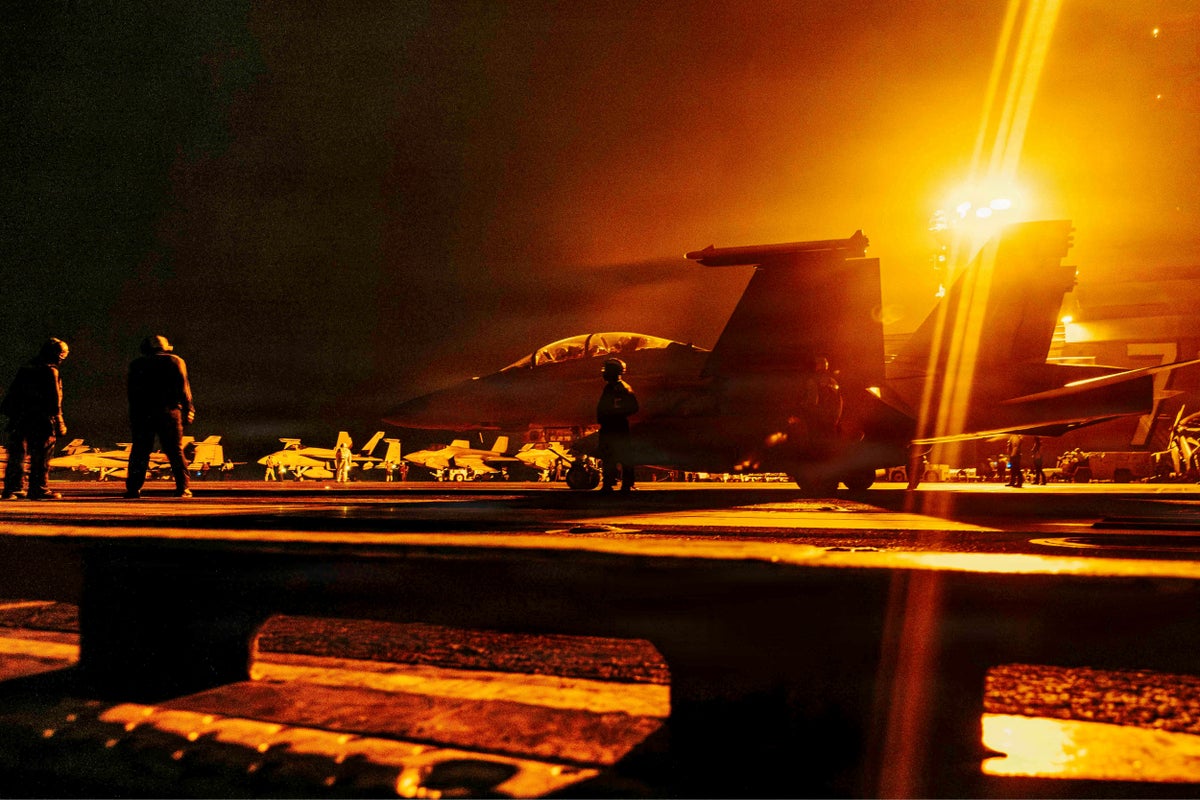
Trump responded by authorizing what he termed large and powerful strikes. In interviews, he highlighted a tactical rationale behind specific targets, noting that U.S. forces deliberately waited until Iranian crews nearly finished rebuilding key radar installations before destroying them again.
The Battle for the Strait of Hormuz
Control of the waterway remains the central objective of this ongoing conflict. Tehran attempted to restrict maritime traffic after hostilities began, hoping to use energy supplies as leverage against Western pressure.
That strategy has run headfirst into superior American air and naval dominance. With naval assets securing the strait and removing sea mines as fast as they appear, Washington believes time is on its side. Officials argue that punishing economic isolation, combined with precise military interventions, will eventually break Tehran’s resolve without requiring a messy, comprehensive treaty that critics argue would just be broken later anyway.
What Happens When the Smoke Clears
The immediate future points toward a prolonged war of attrition rather than a return to the negotiating table. Tehran's paramilitary leadership has vowed that the latest bombardments only tighten their resolve, while Washington warns of exponentially harsher retaliation if regional proxies strike again.
Energy markets are already reacting to the instability, with oil prices climbing as traders price in the risk of sustained disruptions. For anyone tracking global markets or geopolitical risk, the takeaway is simple: expect continued volatility around Middle Eastern shipping lanes, because neither side is backing down anytime soon.