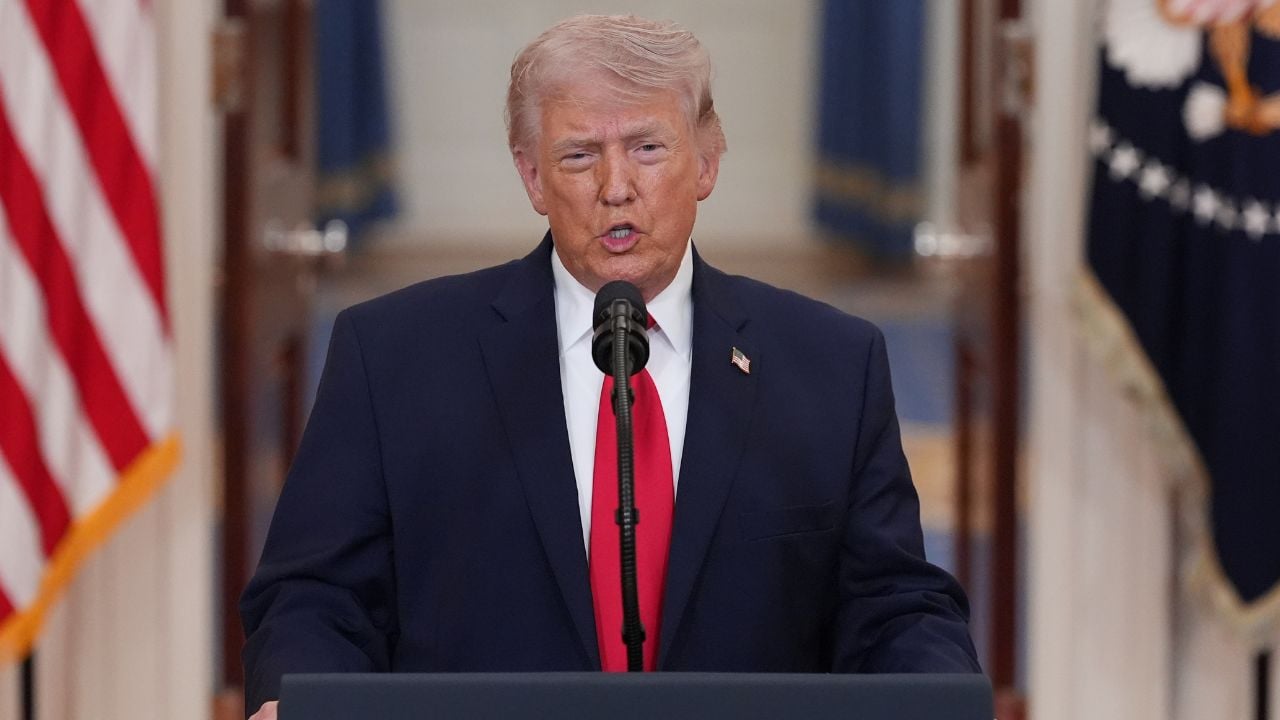
Donald Trump isn't exactly known for his love of the Iran nuclear deal. He spent years tearing it down and calling it the worst agreement in history. But things change when you're back in the Oval Office facing a Middle East that's effectively a powder keg. Eurasia Group analysts think he might consider a temporary nuclear pause with Tehran. This isn't because he's gone soft. It's because he hates long, expensive wars even more than he hates bad deals.
He wants a way out of a conflict that's spiraling. Iran's enrichment levels are creeping closer to weapons-grade material every day. The status quo isn't working for anyone. If Trump can get a "pause" and brand it as a win, he takes the threat of a full-scale war off the table while keeping his "America First" promise to stop policing the world.
The logic of the temporary freeze
A total "Grand Bargain" with Iran is a fantasy. Everyone knows it. The distrust goes too deep and the political baggage is too heavy for a permanent treaty. But a temporary freeze? That's a different story. Trump likes to make deals that produce immediate, visible results. If he can get Iran to stop spinning centrifuges in exchange for some limited sanctions relief, he gets to tell voters he solved a crisis that the previous administration let fester.
This isn't about being nice to the Ayatollah. It's about cold, hard pragmatism. The Eurasia Group suggests that this "stopgap" approach allows both sides to save face. Iran gets its economy breathing again. Trump gets to avoid sending another 50,000 troops to the desert.
Why the old Maximum Pressure strategy hit a wall
During his first term, Trump's "Maximum Pressure" campaign was supposed to bring Iran to its knees. It didn't. Instead, it pushed them closer to Russia and China. Today, the global geopolitical map looks way different than it did in 2018. Iran is now a major drone supplier for Russia's war in Ukraine. They've found ways to sell oil despite the bans.
You can't just squeeze a country forever if they've found a side door to the global market. Trump likely realizes that a repeat of the 2018-2020 strategy might just result in Iran crossing the nuclear finish line while we're busy tweeting about it. A pause gives him leverage without the immediate risk of a regional blowback that could spike gas prices and tank the US economy.
The role of regional allies
Saudi Arabia and the UAE aren't the same hawks they used to be either. They've started their own diplomatic tracks with Tehran because they're the ones who will get hit first if things go south. If Trump's traditional allies are talking to the enemy, he doesn't want to be the only one left standing in a room with a live grenade. He'll follow the money and the stability.
Sanctions as a bargaining chip not a permanent state
Trump views sanctions as a tool for negotiation, not a permanent lifestyle for the target country. If he sees an opening to trade some of that pressure for a verifiable freeze, he'll take it. Critics will call it a flip-flop. He'll call it being a master negotiator.
The reality is that Iran has more leverage now than they did five years ago. Their breakout time—the time needed to produce enough material for a bomb—is measured in days or weeks, not months. You don't have the luxury of waiting for a perfect deal when the clock is ticking that fast.
Breaking the cycle of escalation
Every time the US and Iran trade blows, the price of everything goes up. Trump is obsessed with the stock market and the domestic economy. A war with Iran would be a disaster for his domestic agenda. By accepting a temporary pause, he shifts the focus. He moves the problem from the "immediate crisis" column to the "ongoing management" column.
It's a tactical retreat disguised as a diplomatic surge. He's done it before. Look at his approach to North Korea. He went from "Fire and Fury" to walking across the DMZ. He's comfortable with contradictions if they serve his immediate goal of looking like a peacemaker who talks tough.
What a deal would actually look like
Forget the 150-page documents of the Obama era. A Trump-style pause would probably be short and punchy.
- Iran stops enriching uranium above a certain percentage.
- The US allows Iran to access some frozen assets or sell a specific amount of oil.
- International inspectors get back into the sites they've been kicked out of.
It's simple. It's transactional. It's exactly how Trump likes to operate. He doesn't care about the fine print of regional hegemony as much as he cares about the "Big Win."
The pushback from the hawks
Of course, the "Never Iran" crowd in DC will lose their minds. They'll argue that any relief is a lifeline for a regime that wants to destroy us. They aren't wrong about the regime's intentions, but they lack a viable alternative that doesn't involve a massive military campaign. Trump has shown he's willing to ignore the traditional foreign policy establishment when it suits him. He fired John Bolton for a reason.
He's betting that the American public is tired of "forever wars." If he can prevent a war through a temporary fix, he wins the political argument at home.
Navigating the Israel factor
Benjamin Netanyahu remains the wildcard. Israel won't sit idly by if they think a "pause" is just a cover for Iran to build a bomb in secret. Trump has to balance his "best friend of Israel" persona with his "no more wars" persona. It's a tightrope walk. He'll need to convince the Israelis that a pause actually gives them more security than a chaotic escalation.
Stop waiting for a perfect solution
The biggest mistake people make in analyzing Trump is expecting ideological consistency. He isn't an ideologue. He's a dealmaker who reacts to the room. Right now, the room is screaming that a war with Iran would be a legacy-killing catastrophe.
Watch the rhetoric closely. If the "Maximum Pressure" talk starts to include hints about "new opportunities" or "a fresh start," the pause is coming. It won't be called the JCPOA. It'll probably have a flashy new name. But the substance will be the same: trading money for time.
If you're watching this play out, pay attention to the oil markets and the movement of carrier groups in the Gulf. Those are the real indicators. Don't listen to the talking heads; look at where the leverage is shifting. If you're an investor or just a concerned citizen, understand that the goal here isn't peace—it's management.
Start looking at the specific sanctions that might be lifted first. Usually, it's humanitarian goods or specific energy waivers. That's where the first cracks in the wall will appear. Keep an eye on the diplomatic backchannels in Oman. That's where the real work happens before the cameras start rolling. Stop expecting a war and start preparing for a very loud, very public, and very temporary handshake.


