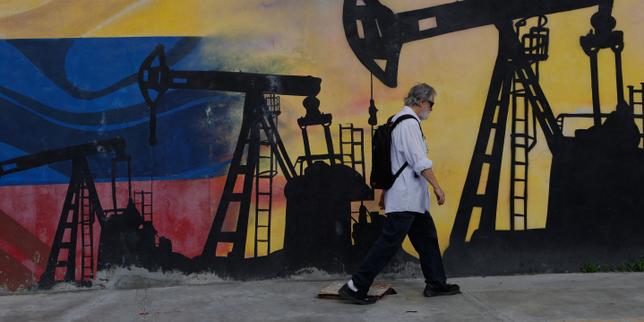
Foreign policy rarely looks this nakedly transactional. When Donald Trump launched military strikes against Venezuela and orchestrated the capture of Nicolás Maduro, Washington stopped hiding behind the old diplomatic excuses of promoting democracy. Instead, the White House revived a 19th-century playbook under a modern banner, making it clear that resource acquisition and regional dominance trump international law every single time. If you think this intervention is just another blip in the chaotic news cycle, you are missing a massive shift in how global superpowers secure energy reserves.
The Return of the Monroe Doctrine
For decades, modern empires preferred the quiet violence of economic sanctions, covert funding, and judicial warfare over boots on the ground. The maximum pressure campaigns of Trump's first term crippled Venezuela’s economy, but they left the state machinery intact. That restraint is gone. The National Security Strategy released by the administration explicitly reinstates the Monroe Doctrine, demanding total American preeminence in the Western Hemisphere.
When U.S. officials talk about reclaiming their backyard, they aren't speaking in abstract metaphors. They are asserting that national borders are porous to military force when the prize is big enough. Venezuela holds the largest proven oil reserves on the planet. That single geological fact has made Caracas a target for over a century, but the current strategy cuts out the middleman.
The Century-Old Oil Grab Disguised as Strategy
Look past the rhetoric about narco-terrorism and liberation. The concrete reality of this intervention is laid bare in the multi-decade oil deals that followed Maduro's removal. The administration brokered massive agreements granting U.S.-led energy companies extensive concessions over vital oilfields.
Critics from across the political spectrum aren't fooled. Traditional Chavistas call it the greatest looting in the nation's history, while local opposition lawmakers point out the glaring opacity of deals made without parliamentary consent. Interim leaders like Delcy Rodríguez might embrace foreign investment to jump-start a collapsing petroleum sector, but the arrangement turns national sovereignty into a corporate subsidiary. You are watching the privatization of a sovereign state's assets under military coercion.
Why This Style of Intervention Fails Long-Term
History tells us that imposing order through brute force rarely yields stability. Think back to Panama in 1989 or the various gunboat excursions across the Caribbean a century prior. Removing a dictator at gunpoint does not automatically build functional institutions or heal fractured economies.
The strategy relies on a fundamental contradiction. The White House promises economic renewal through massive fossil fuel extraction, yet it alienates the very local populations and political factions needed to sustain that production. When foreign conglomerates are handed century-long passes to extract resources while local infrastructure rots, resentment builds. It creates an unstable cycle of occupation and resistance that future administrations will inherit.
What Happens Next on the Ground
The fallout from this policy extends far beyond Caracas. By signaling that military intervention is back on the table for resource acquisition, Washington has rattled international allies and emboldened rivals. Latin American nations are watching closely as the Trump administration floats similar threats toward neighboring states.
To understand where global markets are heading, stop looking at diplomatic communiqués and start tracking energy concessions. Watch how domestic opposition groups in Venezuela navigate an uneasy alliance with a foreign power that holds the keys to their economy. The era of quiet diplomacy is dead, replaced by an open scramble for control of the Global South's remaining assets.
Operation in Venezuela: A new era for American imperialism?
This video provides visual context and deep analysis regarding the military operation in Venezuela and the broader implications of modern American foreign policy shifts.