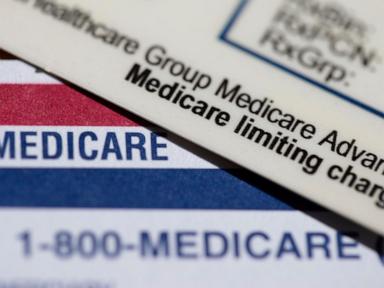
Writing a check with federal funds right before an election always raises eyebrows. When the Trump administration announced a one-time ninety-dollar payment targeting roughly twenty million Medicare Part B enrollees, it immediately sparked a fierce debate about intent versus actual financial relief.
The payout totals about two billion dollars and draws directly from the Medicare Improvement Fund, a reserve created back in 2008. White House officials frame the direct deposit or paper check as immediate pocket relief to help older Americans manage standard premium expenses. Yet, looking past the talking points reveals a stark reality. Millions of beneficiaries aren't seeing a single dime, and critics are calling out the timing as a transparent attempt to sway voters ahead of the midterms.
Who Actually Gets the Money
If you assume every older adult on government-backed health insurance qualifies, you are missing how the policy is written. Less than one-third of the total Medicare population makes the cut.
The distribution rules exclude massive groups:
- More than half of all Medicare beneficiaries enrolled in private Medicare Advantage plans are locked out.
- Roughly twelve million low-income seniors and people with disabilities who rely on Medicaid assistance for their premiums receive nothing.
- Enrollees paying income-adjusted surcharges are entirely excluded.
When you break down the math, standard Part B costs start around two hundred dollars a month and climb based on income. A single ninety-dollar injection covers less than half of a single month's standard premium. For families watching grocery bills, home heating expenses, and fuel costs surge, the cash injection feels more like a symbolic gesture than a structural fix.
The Fight Over the Medicare Improvement Fund
Money does not appear out of thin air. The source of these funds sits at the center of the political friction. Congress originally established the Medicare Improvement Fund to support long-term program improvements and oversight for traditional fee-for-service care.
Historically, administrations have dipped into it for sweeping policy shifts. Back in 2010, the Obama administration and lawmakers redirected roughly twenty billion dollars from that pool to help fund the rollout of the Affordable Care Act. But using the fund to mail direct cash payouts to individuals marks a first for the program.
Lawmakers across the aisle have pushed back hard. Critics argue that treating a federal healthcare reserve like a campaign slush fund ignores deeper, systemic affordability crises. Opponents point out that a one-time ninety-dollar credit does nothing to lower the underlying cost of prescription drugs, hospital stays, or specialized treatments.
Navigating the Payout Process
If you qualify under the strict original Part B guidelines, you don't need to fill out complex paperwork or hunt down an online portal. The Centers for Medicare & Medicaid Services structured the rollout to happen automatically via direct deposit or treasury check.
Confusion is inevitable. Open enrollment season floods mailboxes with private insurance marketing materials, meaning the official notification or deposit can easily get lost in the noise.
If you want to verify your status, the official route requires patience:
- Call 1-800-MEDICARE to check basic eligibility for the premium rebate.
- Contact the Social Security Administration directly at 1-800-772-1213 regarding payment status or direct deposit routing.
Cash in hand sounds great on a campaign stump, but when millions of disabled and low-income beneficiaries are left wondering why they were excluded, the policy leaves a bitter aftertaste. Real healthcare reform requires stable, long-term cost containment rather than quick fixes designed to hit bank accounts right before election day.