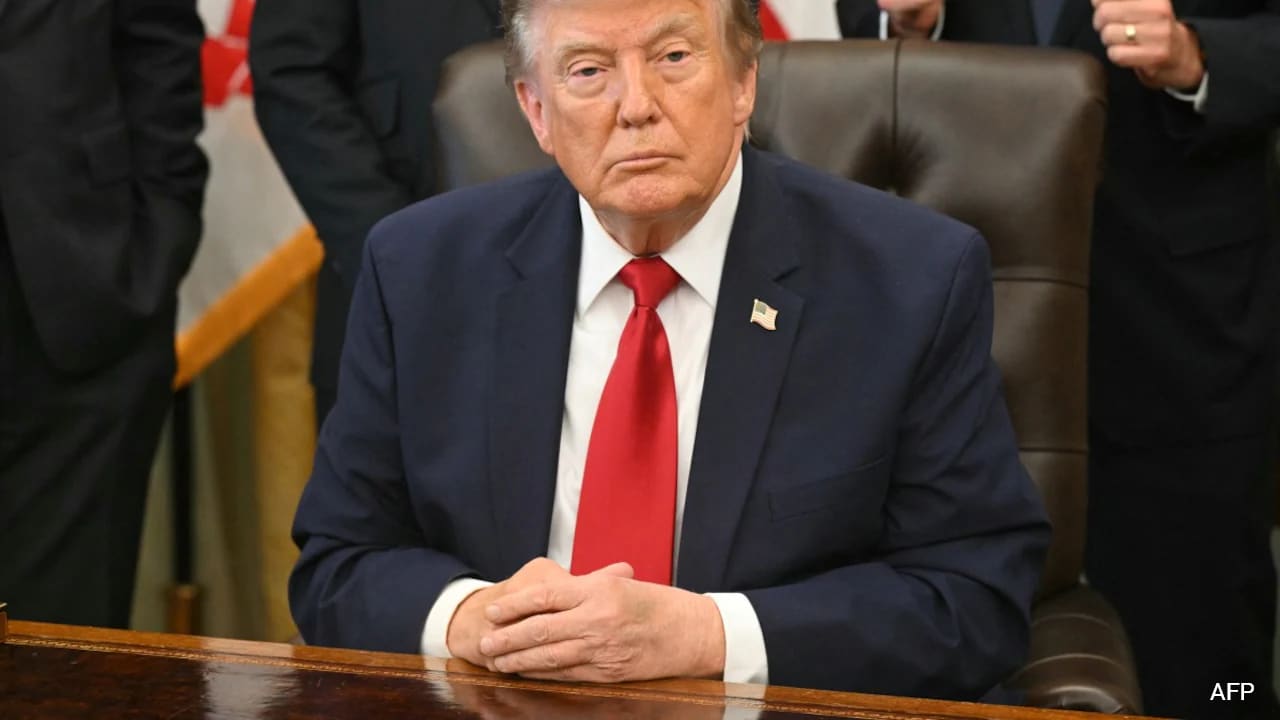
Donald Trump is going back to his favorite playbook, and he is doing it in primetime.
On Thursday night at 9 P.M. Eastern, the president will deliver a national address. The White House is billing it as a major speech on foreign plots and voting machine vulnerabilities. To anyone who has followed his political career, the core message will feel incredibly familiar. He is once again targeting the results of the 2020 election.
But this is not just a simple rerun of old grievances.
This upcoming speech represents a coordinated administration effort to reshape how Americans vote, just as the crucial 2026 midterm elections approach. By using newly declassified files and fresh administrative appointments, Trump is attempting to give a veneer of official intelligence to claims that courts, election officials, and his own previous administration have repeatedly debunked.
If you want to understand what is actually happening behind the scenes before the cameras start rolling on Thursday, you have to look at the players involved, the intelligence being weaponized, and the high-stakes political math of 2026.
The New Players and the Declassification Push
To understand why this speech is happening now, you have to look at the massive shake-ups happening inside Trump’s circle.
Just last month, Tulsi Gabbard resigned from her post. Before her quiet exit, Gabbard compiled a report focusing heavily on what she described as significant vulnerabilities in the nation's voting machines. Her report suggested aggressive safeguards, including major software updates across local jurisdictions.
To fill her shoes, Trump made a highly unusual move. He appointed Bill Pulte, the director of the federal mortgage regulator, as Gabbard’s interim replacement. Pulte has no traditional background in national security or intelligence oversight. Yet, Trump immediately granted him the authority to declassify sensitive documents related to the 2020 vote.
This is where the strategy becomes clear.
By placing a loyalist in charge of declassification, the administration can selectively release documents to support a specific narrative. It is a classic move. You take a highly complex, classified intelligence debate, pull out the pieces that look suspicious out of context, and present them to a prime-time television audience as a smoking gun.
At the same time, a quiet White House task force has been digging into 2020 election data. John Solomon, a conservative journalist and former Fox News contributor, has been actively working with this task force. Reports show Solomon has been demanding access to files from a specific dissenting group within the intelligence community. This group disagreed with the official 2021 consensus that foreign actors did not alter the technical outcomes of the 2020 vote.
Trump is not just giving a speech. He is presenting what he will claim is brand-new, official proof.
What the Official Intelligence Reports Actually Say
When Trump takes the podium on Thursday, he is expected to paint a picture of widespread foreign hacking and compromised machines. But we already have the actual, declassified consensus from the nation's top intelligence agencies.
In March 2021, the Office of the Director of National Intelligence released its official assessment of the 2020 election. The report was incredibly clear on the technical aspects of the vote.
- No Technical Manipulation: The report judged that no foreign adversary attempted or succeeded in altering any technical aspect of the voting process. This includes voter registration, actual ballots, vote tabulation, and the transmission of results.
- Russian Influence Operations: Russian President Vladimir Putin did authorize influence operations. However, these were designed to denigrate Joe Biden's candidacy, support Trump, and undermine public confidence in the democratic process. They were not hacking voting machines.
- Iranian Interference: Iran carried out its own covert influence campaign aimed at undermining Trump’s reelection prospects and sowing societal divisions.
- China’s Decision: China considered running its own influence campaigns but ultimately decided against taking action.
The distinction here is critical. There is a massive difference between a foreign country buying Facebook ads or spreading rumors on X and a foreign country actively changing votes inside a machine. Trump’s speech is highly likely to blur these lines. By highlighting real foreign attempt stories, he can make it sound like the voting systems themselves were compromised, even when his own intelligence agencies say they were not.
Why the 2026 Midterms are the Real Target
This sudden focus on 2020 is not just about historical grievances. It is about future power.
We are currently in a midterm election year. Control of both the House and the Senate is on the line. Historically, the party in the White House struggles during midterm elections. Trump and his advisors are well aware of this reality.
By framing U.S. election systems as fundamentally broken and vulnerable to foreign cyber intrusions, Trump is accomplishing two goals at once.
First, he is building a ready-made excuse. If Republicans suffer losses in November, the administration can immediately blame flawed voting machines and foreign hackers. This preemptively weakens the legitimacy of any Democratic victories.
Second, it provides political cover for an aggressive push to centralize voting regulations. For over a year, the administration has tried to increase federal oversight of how states run their elections.
This is a massive shift in American politics. Historically, states have had the constitutional authority to run their own elections. Legal experts are already warning that Trump's push for federal control violates the U.S. Constitution. But if you convince the public that the current state-run system is a national security risk, suddenly those constitutional violations look like necessary protections to his base.
How Local Election Officials are Responding
While the White House prepares its primetime presentation, local and state election officials are left to clean up the mess.
Securing an election is an incredibly decentralized, hands-on job. Officials from both parties have spent years upgrading local systems, implementing paper trails, and running post-election audits to prove the accuracy of their counts.
These experts are incredibly confident in the security of our voting systems. They constantly point out that voting machines are not connected to the internet, making wide-scale remote hacking virtually impossible.
When a president uses a national address to tell millions of people that these machines are easily hacked, it does real damage. It does not make the systems any less secure, but it completely destroys public trust. Local election workers, who are often just everyday citizens volunteering in their communities, bear the brunt of this manufactured anger.
What to Watch For During Thursday's Broadcast
When you watch the speech on Thursday night, do not get distracted by the theatricality. Watch for these specific strategies:
- Selective Declassification: Listen to the specific documents Trump quotes. Ask yourself if he is presenting a complete picture or just isolated sentences designed to sound alarming.
- The Shift to Federal Control: Notice how often he suggests that the federal government needs to step in and take over election administration from the states.
- The Blurring of Hacking and Influence: Watch if he equates social media propaganda with actual, physical database hacking.
The administration’s ultimate goal is to keep you doubting the system. By understanding the political playing field of 2026, you can see this speech for what it really is: a highly calculated campaign strategy disguised as a national security briefing.
If you want to understand how this rhetoric has evolved over the years, look at how the former president framed these issues during the initial post-election chaos in late 2020. This President Trump KUSI Address shows the direct rhetorical roots of the claims he plans to revive this Thursday night.