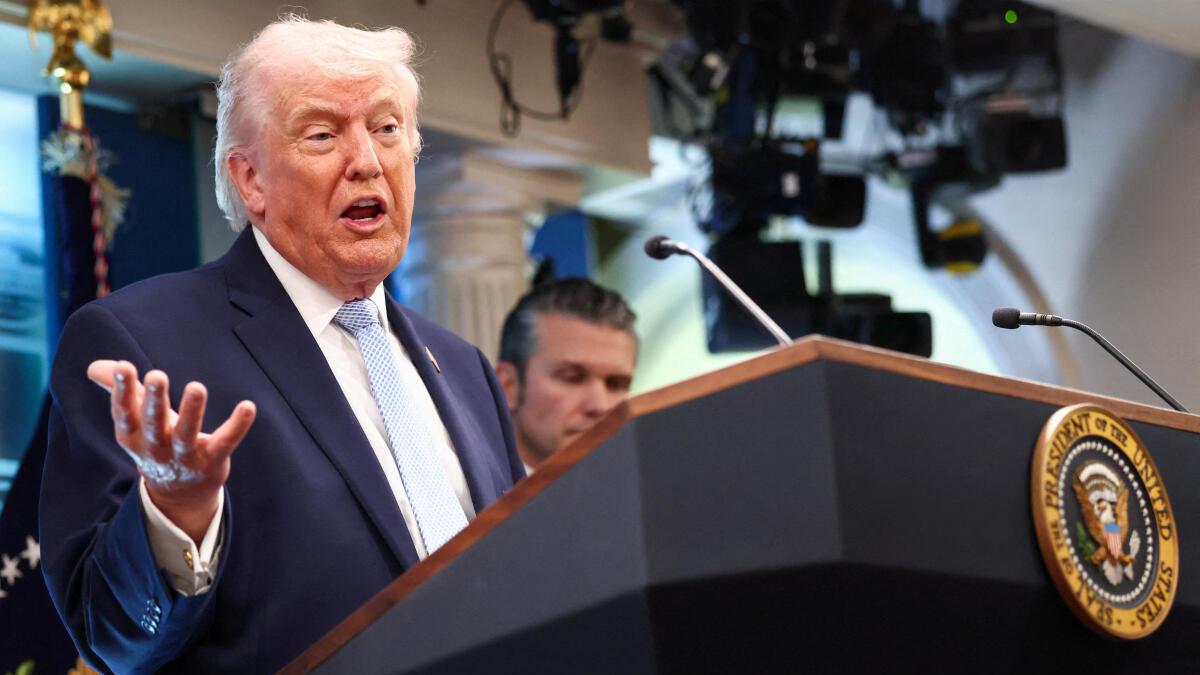
Donald Trump thought he could bully Tehran into a corner with a few precision strikes and a "maximum pressure" reboot. But here we are in April 2026, and the reality on the ground looks nothing like the quick win he promised. Despite five weeks of intense bombing and a naval blockade that’s sent oil prices screaming toward the moon, the Iranian regime isn't waving the white flag. Instead, we’re seeing a messy, two-week conditional ceasefire that looks more like a desperate pause than a strategic victory.
If you’re wondering why the "most powerful military in history" can’t just flip a switch and fix the Middle East, it’s because power isn't just about how many B-52s you have. It’s about leverage. And right now, Trump’s leverage is leaking like a sieve.
The Illusion of Total Control
The initial strikes on February 28 were supposed to be the "Epic Fury" that ended Iran's nuclear ambitions and crippled their proxies. Trump and Israel hit 140 naval vessels and razed missile production sites. On paper, it was a tactical masterclass. In reality, it was a giant hornets' nest kick.
Iran didn't just sit there and take it. They did exactly what they've spent forty years preparing to do: they went asymmetric. By effectively closing the Strait of Hormuz, they’ve held the global economy hostage. You can’t "bomb" your way out of a blocked sea lane when the other guy is willing to sink every tanker that tries to pass. The price of gas at your local station is now a direct reflection of American power hitting a brick wall.
Why Sanctions Aren't the Magic Bullet
For years, the theory was that if you squeezed Iran's economy hard enough, the people would rise up or the leaders would cave. We’ve seen the protests. We’ve seen the Rial lose almost all its value. Yet, the IRGC still has its boots on the ground, and the enrichment centrifuges at Isfahan and Natanz—though damaged—haven't stopped spinning.
The mistake here is thinking that a regime focused on survival cares about GDP growth. They don't. They care about holding onto the levers of internal control. By targeting the whole civilization, as Trump threatened on Truth Social, you don't always spark a revolution; sometimes you just create a rally-around-the-flag effect that helps the hardliners stay in power.
- The Nuclear Problem: Iran still holds stockpiles of highly enriched uranium in underground facilities that even "Epic Fury" couldn't fully reach.
- The Proxy Problem: While Hezbollah and others have been weakened by Israeli strikes, they remain functional enough to keep the region in a state of constant, low-level war.
- The Economic Problem: 25% tariffs on anyone doing business with Tehran sounds great in a speech, but when China and other major players ignore them, the "wall" of sanctions becomes a fence with very large holes.
The Pakistan Intervention and the Ceasefire Flop
The recent ceasefire brokered by Pakistan is the loudest admission that the current path isn't working. Trump was two hours away from a deadline to "obliterate" Iranian power plants when he suddenly pivoted to a deal. Why? Because the Pentagon knows that "Phase Two" of this war—a ground invasion or a total infrastructure collapse—would be a quagmire that makes Iraq look like a weekend getaway.
The deal reportedly includes Iranian control over the Strait of Hormuz and an end to secondary sanctions. If that sticks, it’s a massive strategic defeat for the U.S. It basically says, "We bombed you for six weeks, and now we're giving you exactly what you wanted just to get the oil flowing again."
What Happens When the Ceasefire Ends
Don't expect this two-week break to turn into a lasting peace. The fundamental issues haven't changed. Iran wants war reparations and a total U.S. withdrawal from the region. Trump wants "strategic submission." Those two things can't exist at the same time.
If you’re watching this play out, keep your eye on the Strait. If Iran doesn't reopen it fully by the end of the month, or if they continue to demand "tolls" for passage, the B-52s will be back in the air. But we’ve already seen that more bombs don't necessarily lead to better outcomes. They just lead to higher stakes and more civilian casualties.
The hard truth is that American power in 2026 is constrained by a globalized economy and a regional player that has nothing left to lose. Trump is finding out that you can't run a war like a real estate negotiation where you can just walk away from the table. In the Middle East, the table follows you home.
If you want to stay ahead of how this affects your portfolio or your travel plans, stop looking at the White House press releases and start looking at the shipping data coming out of the Persian Gulf. That's where the real war is being won or lost. Watch the insurance rates for maritime shipping; when those drop, you’ll know the crisis is actually over. Until then, it’s just a lot of expensive noise.