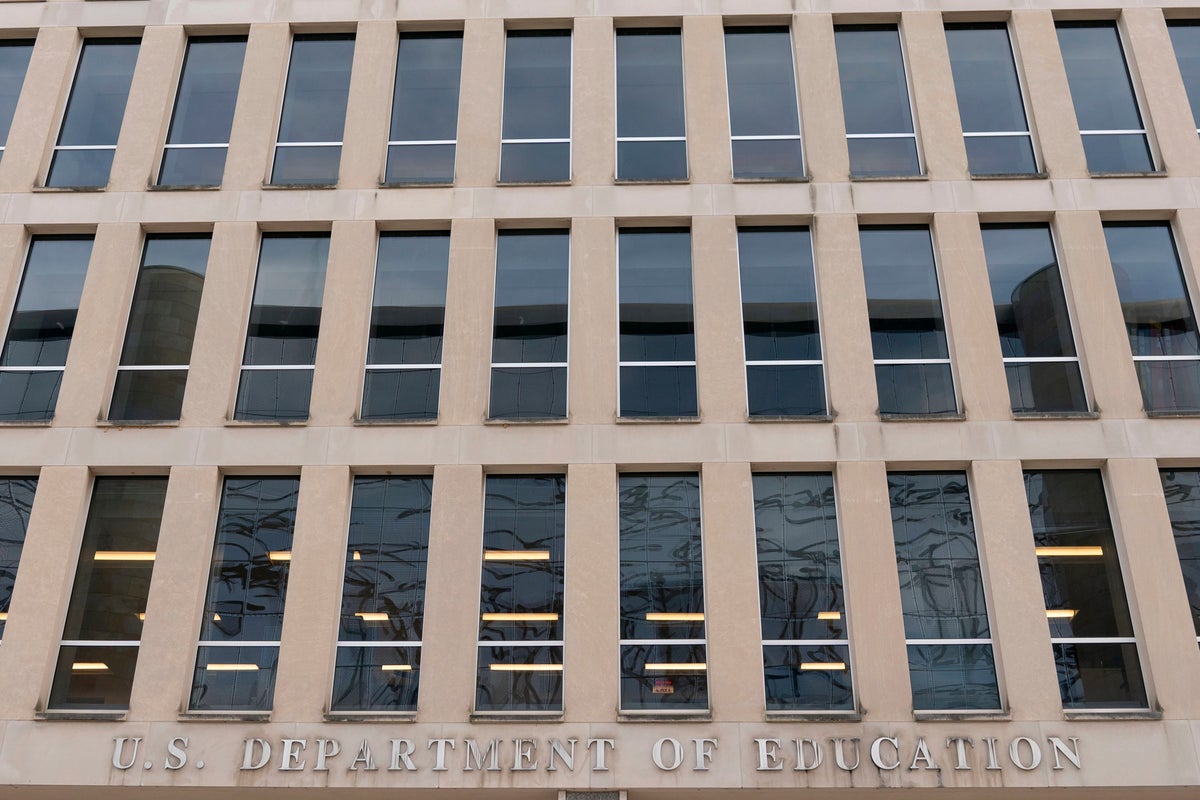
Public service workers across America just breathed a massive sigh of relief. A pair of federal judges stepped in at the final hour to kill a sweeping rewrite of the Public Service Loan Forgiveness program. The Trump administration wanted to fundamentally reshape who qualifies for debt relief. It didn't happen.
The policy was scheduled to go into effect on July 1, 2026. It would have granted the Department of Education broad authority to strip loan forgiveness eligibility from public servants based on the political leanings or activities of their employers. Instead, separate rulings from U.S. District Judge Myong Joun in Massachusetts and District Judge Amir Ali in Washington, D.C., completely vacated the changes.
This isn't just a minor administrative hiccup. It represents a major judicial shutdown of an attempt to turn a twenty-year-old bipartisan debt relief program into an ideological battleground. If you are a teacher, nurse, government worker, or nonprofit employee counting on your ten years of service to wipe out your student debt, you need to understand exactly what just happened and why your benefits are safe for now.
The Targeted Strategy to Redefine Public Service
Congress established the Public Service Loan Forgiveness program in 2007. The core idea was simple. If you take your college degree and work for a government agency or a registered 501(c)(3) nonprofit for ten years, the government wipes away the remainder of your federal student loans. It was designed to offset the reality that public sector jobs traditionally pay far less than private corporations.
The overhaul sought to introduce a vague new standard. The Department of Education proposed stripping the public service benefit from any worker whose employer was deemed to have a substantial illegal purpose.
The administration explicitly targeted organizations that disagreed with its political goals. The language gave the education secretary direct power to bar specific groups from the program. If an organization was accused of being involved in human trafficking, supporting illegal immigration, or facilitating the chemical castration of children, its employees would lose their loan benefits.
The administration defined chemical castration to include providing hormone therapy or puberty-blocking drugs. This choice of words directly aimed at healthcare nonprofits, clinics, and advocacy groups serving transgender youth. It signaled a shift where federal loan forgiveness depended on whether your boss aligned with the White House platform.
Why the Federal Judges Threw Out the Rules
The legal counterattack came fast. More than 20 states, a coalition of cities, and multiple nonprofit advocacy groups filed lawsuits to block the rule before its July deadline. The judges did not just pause the policy. They completely tore it apart.
Overstepping Administrative Power
Judge Joun made it clear that the executive branch cannot rewrite laws passed by Congress just to suit its political preferences. The Department of Education argued that it was trying to protect taxpayer dollars from subsidizing illegal operations. The court found that explanation entirely lacking.
The department failed to tie its definitions of illegal activity to any actual federal criminal statutes. An agency cannot invent brand new criminal prohibitions through its regular rulemaking process. That authority belongs to Congress alone.
First Amendment Violations
The rulings emphasized that the overhaul threatened basic free speech protections. By threatening to pull loan benefits from employees, the policy attempted to force private nonprofit employers to change their missions.
Nonprofits rely on the loan forgiveness program to attract talent. If taking a job at a specific legal aid clinic or community health center means your student loans will never be forgiven, applicants will go elsewhere. The court recognized this as a backdoor method to punish organizations for engaging in legally protected, though politically controversial, activities.
The Problem of Justification
The Department of Education ended up undermining its own case during the regulatory process. In its official paperwork, the department estimated that fewer than ten employers nationwide would actually be barred under the new rule each year.
Judge Joun pointed out this glaring contradiction. The department offered no real explanation for why a rule with such sweeping, unpredictable consequences for workers was necessary to address a problem that supposedly applied to ten employers. The math didn't add up. The vast scope of the policy did not match the tiny problem the administration claimed it was trying to solve.
The Reality for One Million Borrowers
The stakes for everyday workers are incredibly high. The loan forgiveness system has already canceled debt for more than one million Americans. These are real people who structured their careers around the promise of eventual financial relief.
Consider a pediatric nurse working at a nonprofit community health clinic that provides comprehensive care to LGBTQ youth. Under the proposed rule, that nurse would face a terrifying choice. They could keep their job and risk the department declaring their employer ineligible, or they could quit to find a safer workplace. The policy introduced a layer of anxiety into a system that was already notorious for bureaucratic errors and administrative confusion.
The public sector is already dealing with severe staffing shortages. Local governments, public defense offices, and social work agencies struggle to compete with private sector salaries. The promise of debt cancellation after 120 qualifying monthly payments is one of the few strong hiring incentives these employers possess. Overturning this rule prevents a mass exit of talent from vital community organizations.
What Public Servants Need to Do Right Now
The immediate takeaway from the twin court victories is that the rules governing your eligibility have not changed. The standard guidelines remain exactly as they were before this latest political fight. You do not need to panic, and you do not need to alter your career plans based on the blocked policy.
Verify Your Current Status
Do not wait for the political winds to shift again. Use the official federal student aid website to confirm that your current employer qualifies for the program. The system utilizes an employer database linked to your organization's Federal Employer Identification Number. Check this now to ensure your employment certification forms are up to date.
Keep Meticulous Records
The Department of Education has stated it is evaluating its next steps. An appeal is highly likely. Because student loan policy shifts rapidly based on executive orders and court battles, you must protect yourself with paperwork.
Save copies of every single employment certification form you submit. Keep digital records of every loan payment confirmation. If an administrative change or a future court ruling disrupts your tracking, having your own timeline is your best defense.
Submit Your Forms Annually
The biggest mistake borrowers make is waiting until their tenth year of service to submit their paperwork. Submit an Employment Certification Form every single year, and do it every time you switch jobs. This forces the federal loan servicer to officially count your qualifying payments as you go, which locks in your progress and catches tracking errors early.
The legal system successfully defended the integrity of public service debt relief this week. The judges made it clear that federal benefits cannot be wielded as a political weapon to punish organizations the government dislikes. Keep working your job, keep certifying your employment, and stay focused on hitting your 120 payments.