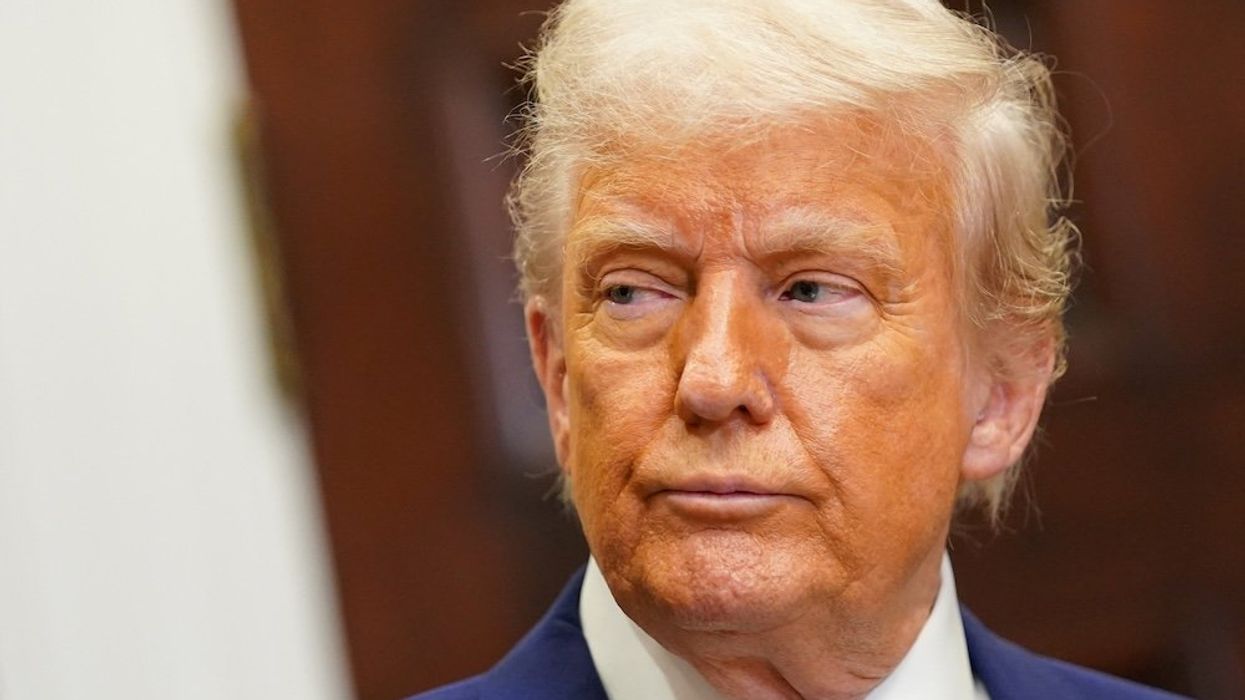
Donald Trump wants to take a sledgehammer to your credit card interest rate. In a move that's sent shockwaves through the banking industry, he's calling for a federal law to cap credit card interest rates at 10% for one year. If you're currently staring at a 24.99% APR on your monthly statement, this sounds like a dream. But before you start planning how to spend that extra cash, it's worth looking at the fine print and the massive ripple effects this could have on your wallet.
The current reality for American borrowers is brutal. Total credit card debt hit a record $1.277 trillion by the end of 2025. With the average APR hovering around 20.97%, many families feel like they're running on a treadmill that's speeding up. Trump’s proposal is a direct play to these voters. He's framing it as a way to "reign in greedy credit card companies" and give people breathing room to save for things like a down payment on a home.
The Math of a 10 Percent Cap
If this actually happened, the savings wouldn't be pocket change. Research from the Vanderbilt Policy Accelerator suggests a 10% cap could save American consumers roughly $100 billion a year in interest payments.
Let’s look at a real-world scenario. Say you're carrying a $5,000 balance at a 24% interest rate. You're paying roughly $100 a month just in interest before you even touch the principal. Drop that rate to 10%, and your monthly interest charge falls to about $41. That’s $59 a month staying in your pocket. Over a year, that’s over $700 you could use for groceries, gas, or actually paying down the debt.
Why Banks Are Terrified (and Why You Should Care)
Banks aren't just complaining because they like high profits—though they certainly do. They argue that credit card interest rates are high because the debt is "unsecured." Unlike a car loan or a mortgage, there’s no asset the bank can seize if you stop paying. They use high interest rates to offset the risk of people defaulting.
The banking industry's counter-argument is simple: if we can't charge enough to cover the risk, we won't lend the money. An analysis from America’s Credit Unions suggests that up to 159 million credit card accounts could be closed or see their limits slashed if a 10% cap were enforced.
Who gets hit hardest? Usually, it's the people the proposal is meant to help.
- Subprime borrowers: If your credit score is below 660, you're a "risk" in the eyes of a bank. At 10%, a bank might decide you're not worth the gamble and close your account entirely.
- The "Unbanked": People trying to build credit for the first time might find it impossible to get a starter card.
- The Payday Loan Trap: If people lose access to credit cards, they might turn to payday lenders or title loans, which often carry effective APRs of 300% or more.
The "Hidden" Costs of Cheap Credit
Even if you have an 800 credit score and keep your cards, you won't get a free lunch. To make up for the lost interest revenue, banks will likely look for other ways to squeeze out a profit. Expect to see:
- Higher Annual Fees: That "no-fee" card might suddenly cost $95 a year.
- Vanishing Rewards: Cash-back programs and travel points are funded by the interchange fees and interest banks collect. If the interest dries up, your 2% cash-back might drop to 0.5% or disappear.
- Higher Penalty Fees: Late fees and over-limit fees could be jacked up to the legal maximum.
Can the President Actually Do This?
Right now, the short answer is no. There's no federal law that caps credit card interest rates for everyone. The Military Lending Act caps rates at 36% for active-duty service members, but for everyone else, the sky's the limit depending on what state the bank is headquartered in.
Trump can't just sign an executive order and change your APR tomorrow. He needs Congress. Interestingly, this is one of the few issues where you see some very strange bedfellows. Conservative Republicans like Josh Hawley have teamed up with progressive Democrats like Bernie Sanders and Alexandria Ocasio-Cortez on similar legislation in the past. They all agree that 30% interest is usury. They just disagree on almost everything else.
What You Should Do Right Now
Don't wait for a law that might never pass. If you're struggling with high-interest debt, you've got to be proactive.
- Call your bank: Tell them you're looking at balance transfer offers from other cards. Ask if they can lower your current APR. It works more often than you'd think, especially if you have a history of on-time payments.
- Look for 0% Balance Transfers: There are still cards offering 15 to 21 months of 0% interest on transferred balances. Even with a 3% or 5% transfer fee, you'll save a fortune compared to a 25% APR.
- Target the "Toxic" Debt: Use the "avalanche method." Pay the minimum on everything but throw every extra cent at the card with the highest interest rate.
- Build an Emergency Fund: The reason most people end up with "revolving" debt is that an unexpected car repair or medical bill hits and they have no cash. Even a $1,000 cushion can break the cycle.
The 10% cap is a massive "what if" that would fundamentally change the American economy. It could be the ultimate relief for the middle class, or it could be the end of easy credit as we know it. Either way, relying on a political promise to solve your debt is a losing strategy. Take control of your rates today by shopping around and negotiating while the banks are still listening.
If you want to see exactly how much you're losing to interest each month, check your last three statements and add up the "Interest Charged" line. That's the real number you're fighting against.