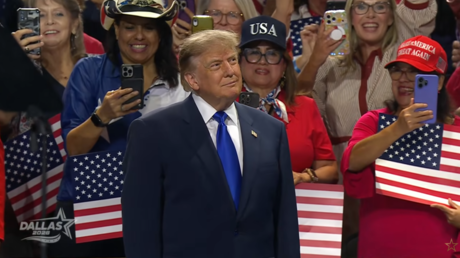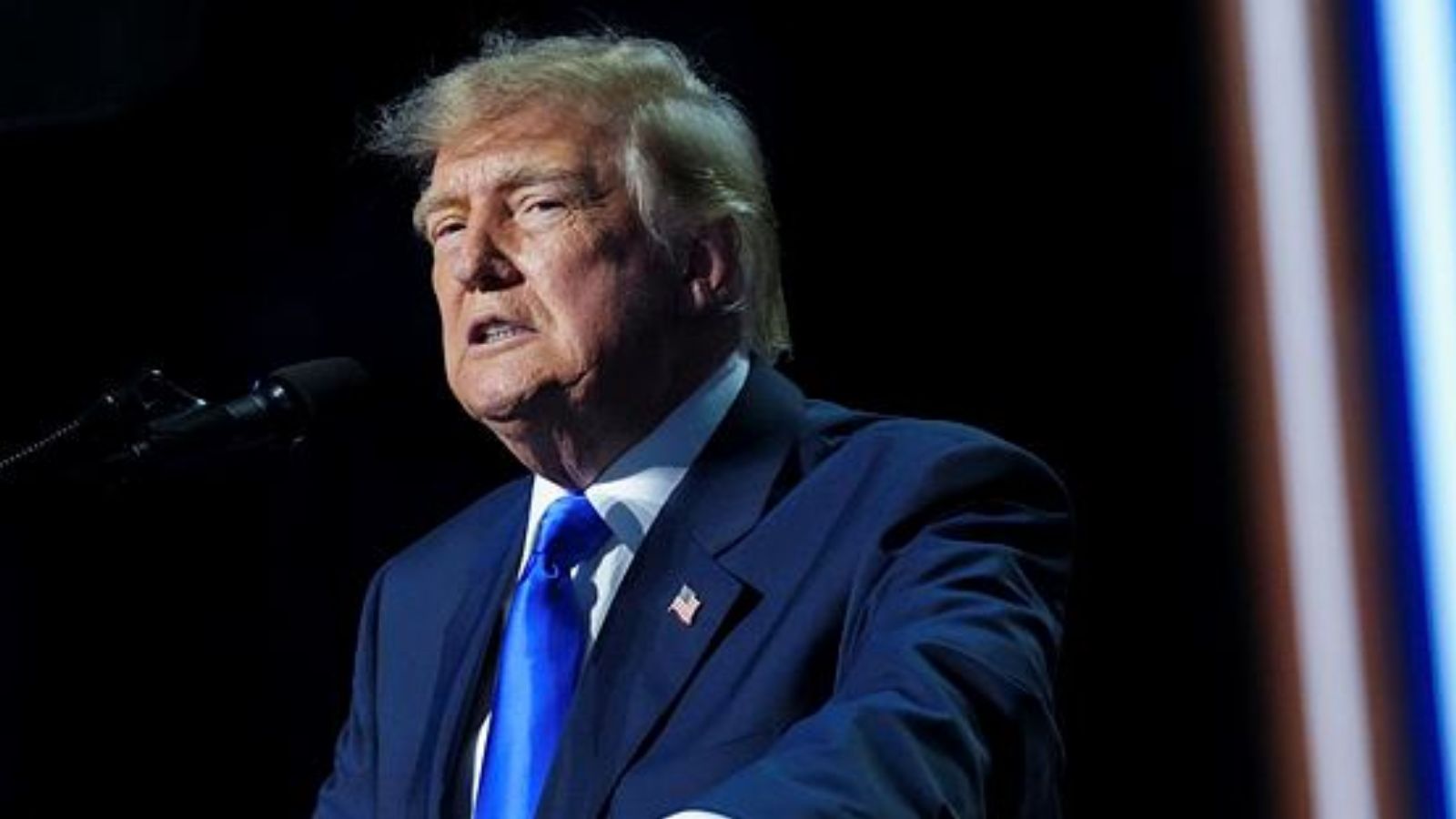
You can always count on high-stakes political theater when control of Congress hangs in the balance. Donald Trump just dropped an absolute bombshell at the Republican midterm convention in Dallas, promising a five thousand dollar "Trump Dividend" to every adult American. There is just one massive catch attached to the proposal. Republicans have to keep control of both the House and the Senate this November.
Politicians throw out wild campaign promises all the time, but tying a trillion-dollar payout directly to a legislative majority takes things to an entirely new level. Let's look past the initial shock value and break down what this actually means, why it's dominating the news cycle, and whether it has any chance of becoming reality.
The Mechanics of the Trump Dividend
Speaking to a packed crowd in Texas, Trump framed the massive payout as a share of national economic success. He compared the federal government to a corporation distributing profits back to its shareholders. According to the pitch, every adult citizen would receive a direct five thousand dollar check, with the primary condition that the money must be spent inside the United States.
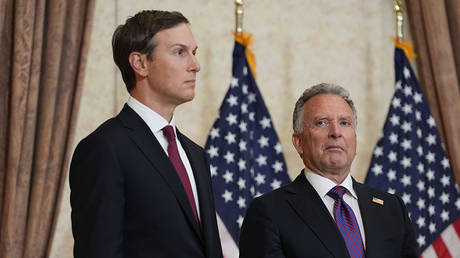
With roughly 270 million adults living in the country, the total price tag for this initiative would easily cross one point three trillion dollars. That kind of spending dwarfs typical economic stimulus packages. Even though Vice President J.D. Vance floated the idea that high-earning individuals might eventually get filtered out of eligibility, the sheer scale of the proposal leaves economists scrambling to figure out how it could ever be funded.
Why the Timing Matters Right Now
Republicans are facing an uphill battle heading into the November midterms. History shows that the party holding the White House almost always takes a beating during midterm elections. Current polling and forecasting models suggest Democrats have a very real shot at flipping the House.
Trump knows his presence is polarizing, yet he leaned straight into it by telling supporters to pretend he was personally on the ballot. The strategy is clear. By dangling a five thousand dollar carrot in front of voters, the administration wants to shift the entire conversation away from local legislative vulnerabilities and turn the midterms into a direct referendum on economic pocketbook issues.
Critics were quick to label the move a transparent attempt to buy votes. Opposition leaders pointed out that offering taxpayer-funded cash checks contingent on voting for a specific party crosses ethical and legal boundaries. On the flip side, supporters argue that returning federal revenue directly to the public is a far better use of money than typical government spending programs.
The Reality Check Behind the Headline
Can a president actually send out five thousand dollar checks on a whim? Not without a fight. The United States Constitution explicitly states that money cannot be drawn from the Treasury without an appropriation passed by law. That means Congress would have to draft, debate, and pass legislation authorizing the funds.
While Ohio Senator Bernie Moreno indicated plans to draft a bill immediately if the party retains power, getting a trillion-dollar spending bill through a divided or razor-thin majority Congress is nearly impossible. Funding mechanisms like tariff revenue simply cannot cover a deficit of that magnitude, meaning it would likely require massive borrowing or new taxes.
Expect to hear this promise repeated endlessly at campaign rallies over the next few weeks. Whether it actually convinces undecided voters to save the Republican majority or turns out to be just another campaign trail talking point remains to be seen. Keep a close eye on local district polling in competitive House races, because that is where the real battle for control will be decided long before any checks get printed.