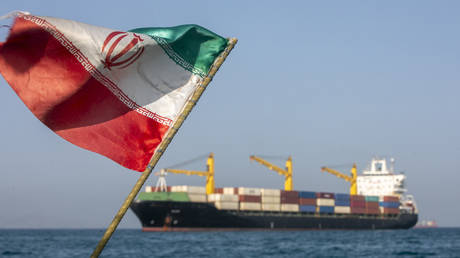
Donald Trump just proclaimed on Truth Social that a peace deal with Iran is "largely negotiated." His administration is whispering details to reporters about a breakthrough that would halt a destructive, months-long war. The proposal sounds simple enough on paper. It offers a 60-day ceasefire extension, a fully reopened Strait of Hormuz, cleared naval mines, and an end to the bruising American blockade on Iranian ports.
But don't buy the hype just yet. Meanwhile, you can read other developments here: Why the Cyprus Election Shakeup Upends Everything We Know About Mediterranean Politics.
When you peer past the spin coming from Washington, the reality of this proposed memorandum of understanding looks incredibly fragile. The White House calls its strategy a "relief for performance" model. It means Iran gets its economic lifeblood back only after it proves it's behaving. The problem is that Tehran and Washington are currently reading from two entirely different scripts. While American officials are leaking confident timelines about dismantling Iran's nuclear capabilities, Iranian state media is screaming a completely different message. This isn't a done deal. It's a high-stakes poker game where both players are claiming victory before the chips are even counted.
The Massive Gap Between Washington Whispers and Tehran Reality
If you read the leaked details from US officials, the framework looks like a comprehensive American victory. The United States wants a 60-day window where the Strait of Hormuz opens completely with zero tolls. Under this plan, Iran must sweep the naval mines it dumped into the world's most critical energy chokepoint since the war exploded in February. In return, the US would lift the strangling naval blockade on Iranian ports that has choked off oil revenue since mid-April. To explore the complete picture, we recommend the recent analysis by BBC News.
But look at what the two sides are saying publicly and privately. It reveals a canyon of disagreement.
- The Nuclear Stumbling Block: US officials claim Iran gave verbal commitments through Pakistani and regional mediators to negotiate away its highly enriched uranium stockpile and halt uranium enrichment. Yet, an Iranian military-linked source immediately told Reuters that Tehran hasn't agreed to hand over a single ounce of its highly enriched uranium. They claim the nuclear issue isn't even part of this preliminary truce.
- Who Controls the Strait: US Secretary of State Marco Rubio declared from India that the deal would ensure a "completely open" strait without tolls, reminding everyone that Iran doesn't own an international waterway. Simultaneously, Iran’s state-run Tasnim news agency reported that the Strait of Hormuz will absolutely remain under explicit Iranian military discretion. They claim shipping traffic will only return to normal gradually over 30 days, and only if the US lifts its blockade first.
- The Money Fight: The Trump team says frozen Iranian assets and permanent sanctions relief will only happen after verifiable performance. Tehran is demanding the exact opposite. They want billions of dollars in frozen overseas assets unlocked the second the pen hits the paper on the initial memorandum.
This isn't just a minor disagreement over phrasing. It's a fundamental conflict over the sequence of events. Iran wants cash upfront to save its cratering economy. The US wants compliance upfront to satisfy domestic critics.
Why Republican Hawks Think Trump Is Falling Into an Obama Trap
Trump’s rush to secure a headline-grabbing peace deal is already sparking a civil war among his loudest supporters. For years, MAGA heavyweights blasted the 2015 Iran nuclear deal engineered by the Obama administration, calling it a weak, cash-for-compliance failure. Now, those same hawks are watching Trump line up to sign something that looks suspiciously familiar.
Former Secretary of State Mike Pompeo didn't hold back on social media, launching a scathing critique of the leaked terms. He argued that the deal looks straight out of the old Democratic playbook, claiming it essentially pays the Islamic Revolutionary Guard Corps to build weapons of mass destruction. Pompeo’s alternative was blunt: open the strait by force, deny Iran money, and destroy their military capability until they can't threaten American allies.
Senator Lindsey Graham and Senator Ted Cruz chimed in with their own warnings. They argue that if Iran walks away from this war retaining the ability to terrorize the Gulf's oil infrastructure while keeping its nuclear ambitions alive, it represents a disastrous shift in the regional balance of power. It's a total nightmare for Israel.
The political pressure on Trump to hold the line is immense. He’s spent months touting his "Epic Fury" military campaign. Backing down now for a temporary ceasefire that leaves Iran’s regional proxy network intact looks like a massive retreat to the traditional Washington establishment.
The Shadow Mediators Running the Show
You might wonder how two countries actively shooting at each other managed to draft a multi-page framework. The answer lies in an intense, quiet diplomatic push led by an unexpected primary mediator: Pakistan.
Field Marshal Asim Munir, Pakistan’s army chief, spent days on the ground in Tehran shuttling proposals back and forth. Pakistan has a terrifyingly complex stake in this war. It shares a long, volatile border with Iran and cannot afford a failed state or total chaos next door.
On Saturday, Trump held a massive conference call with a coalition of regional leaders to sell the plan. The lineup included the heads of Saudi Arabia, Qatar, Egypt, Turkey, Jordan, and the UAE. Every single one of these nations is desperate to end the war. The conflict has sent global energy markets into a tailspin and turned the Middle East into a powder keg. Even the UAE's hawkish president, Mohammed bin Zayed, backed the framework. The regional consensus is clear: the economic pain of a shut Strait of Hormuz is too high to sustain.
But regional desire for peace doesn't automatically translate into a workable treaty. Trump’s team—including Jared Kushner, Steve Witkoff, and JD Vance—has been exchanging frantic midnight drafts with Iranian representatives via Oman and Pakistan. They're trying to patch over differences that might be unpatchable.
What Happens When the 60 Days Expire
If both sides manage to swallow their pride and sign this temporary memorandum, it merely hits the pause button on a brutal war. It doesn't solve it. The 60 days are meant to provide breathing room to negotiate a permanent treaty.
But look at the leverage on the table. US forces mobilized in the Middle East aren't packing up. They're staying put during the entire two-month window. Trump has made it clear that if Iran uses the pause to stall or rebuild its military strength, the American bombing campaign resumes at a much higher intensity.
Conversely, Iran knows that its main leverage is the threat of global economic ruin. By mining the Strait of Hormuz and choking off 1.5 million barrels of daily oil exports, it proved it can inflict severe financial pain on Western markets. The UK's FTSE 100 jumped over 2% just on the rumor of a deal. That tells you exactly how terrified global investors are of a prolonged conflict.
If you're tracking this situation, don't look at the optimistic press releases coming out of Washington. Watch the actual ports. Watch to see if Iran truly begins pulling its naval mines out of the water without receiving an immediate cash payout. Watch whether Israel accepts a ceasefire that halts operations against Hezbollah in Lebanon. If those tangible actions don't happen simultaneously, this "largely negotiated" peace deal will disintegrate before the ink even dries.
The next 48 hours will reveal whether this is a genuine diplomatic breakthrough or just a temporary pause before an even bigger explosion. Keep your eyes on the shipping lanes, because that's where the real truth lies.


