Donald Trump just upended global geopolitics again. By firehosing his Truth Social account with capitalised declarations that "the Deal with the Islamic Republic of Iran is now complete," he basically announced the end of a brutal 15-week war that threatened to drag the whole planet into a catastrophic energy crisis. He told the "Ships of the World" to start their engines and let the oil flow.
But behind the celebratory ALL-CAPS digital victory lap lies a messy reality. The world isn't universally cheering. Instead, global capitals are frantically reading between the lines of a fragile framework negotiated via Pakistan, trying to figure out who actually won.
The shock agreement pauses a conflict that has claimed thousands of lives and battered the global economy. Under the terms leaked so far, the US will dismantle its naval blockade of Iranian ports while Tehran reopens the vital Strait of Hormuz. The deal also calls for a permanent ceasefire across all fronts, supposedly including Lebanon.
But if you look closely at how different global players are reacting, it's obvious this peace is built on quicksand. From furious Israeli generals to skeptical European allies and raging hardliners in Tehran, the global response is a chaotic mix of financial relief and deep geopolitical dread.
Jerusalem is Heading for a Break with Washington
Nowhere has the reaction been more explosive than in Israel. Prime Minister Benjamin Netanyahu has stayed glaringly silent since the announcement, but his actions speak volumes. Right as Pakistani mediators were finalizing the text, Israeli jets slammed into Beirut’s southern suburbs, targeting Hezbollah positions.
Trump didn't hide his fury. He spent part of the weekend screaming into his phone during an interview, openly blaming Israel for trying to sabotage his signature diplomatic breakthrough.
Inside the Israeli security establishment, the mood is pure betrayal. Jacob Nagel, Netanyahu’s former national security advisor, openly called the framework a "catastrophe." The prevailing view in Jerusalem is that Trump threw Iran a lifeline just as the regime was buckled by Western military pressure. Israeli officials feel the deal essentially returns the region to the pre-war status quo, except now Iran knows exactly how much economic leverage it has by threatening global shipping.
Israel has already made its position clear. It won't abide by any ceasefire terms that restrict its operations against Hezbollah in Lebanon. That means we could see a bizarre scenario where the US and Iran declare peace, while America's closest ally continues to bomb Iranian proxies next door.
Tehran is Having an Internal Meltdown
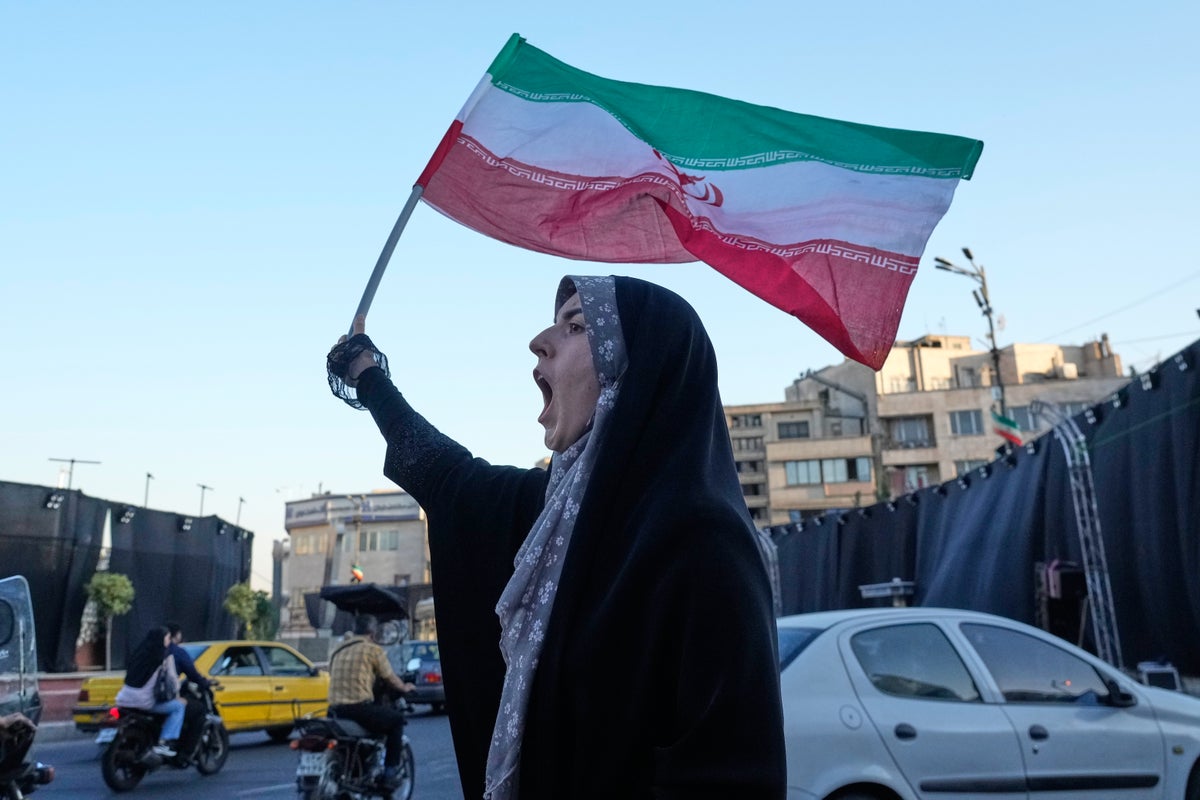
Don't let the triumphant broadcasts on Iranian state television fool you. While banners in Tehran scream that the "US was forced to sign an agreement," the regime is tearing itself apart behind closed doors.
Iranian President Masoud Pezeshkian had to literally stand before parliament and tell hardliners that calling negotiators "traitors" was a national disgrace. The internal friction is real. Elements tied to the Islamic Revolutionary Guard Corps (IRGC) view the memorandum of understanding as a humiliating surrender to American imperialism. Meysam Nili, a prominent hardline voice linked to the former administration, slammed the agreement as a "catastrophic capitulation."
The regime is broke, and that's the only reason they signed. The war devastated their infrastructure and completely froze their economy. Tehran desperately needs the $25 billion in frozen assets that US officials reportedly dangled during the talks. They also need to start selling oil again. But the hardliners are terrified that letting Western inspectors back in to monitor their enriched uranium stockpiles will make them look weak to their own people, who are already exhausted by economic misery.
Europe and the G7 Want the Oil But Don't Trust the Paper
Across the Atlantic, European leaders are breathing a massive sigh of relief while quietly keeping their guard up. Leaders from the UK, France, Germany, and Italy quickly announced they're ready to lift some sanctions to restore "toll-free freedom of navigation" through the Strait of Hormuz.
The economic pressure on Europe was getting unbearable. The World Bank had just downgraded global economic growth forecasts to 2.5%, warning that inflation would spike past 4% if the shipping lanes stayed closed. For European prime ministers facing restless voters, getting Iranian crude back into the market is a massive political win.
But the upcoming G7 summit in the French Alps is bound to be acrimonious. Trump has spent weeks bashing European allies like British Prime Minister Keir Starmer, grumbling that they didn't pull their weight during the active fighting. European diplomats are also terrified of the structural flaws in Trump's deal. The memorandum sets up a incredibly tight 60-day window for technical talks on Iran's nuclear program. Most nuclear experts think it's impossible to resolve complex enrichment limits in two months, meaning the whole deal could blow up by the end of the summer.
The Real Winner Might Be the Middlemen
If anyone is popping champagne right now, it's Pakistan and America's Gulf allies. Pakistani Prime Minister Shehbaz Sharif handled the heavy lifting during 14-hour marathon sessions alongside Qatari diplomats. By positioning themselves as the indispensable bridge between Washington and Tehran, Islamabad and Doha have earned massive diplomatic capital.
For Saudi Arabia and the UAE, the deal is a temporary shield. Their entire economic infrastructure depends on the safe passage of tankers through the Gulf. When the Strait of Hormuz was militarized, their bottom lines took a hit. They pushed hard for this ceasefire because they didn't want a stray Iranian missile hitting a desalination plant or an oil terminal in Riyadh or Abu Dhabi.
The Next Moves You Need to Watch
Forget the flashy signing ceremony scheduled for Friday in Switzerland. If you want to know if this deal will actually survive the month, you need to watch three specific pressure points.
First, keep an eye on oil futures. Markets already bounced on the news, with crude prices dipping below $90 a barrel. But Iran's state media is already claiming that the Strait of Hormuz will be managed under "Iranian arrangements." If Tehran tries to impose arbitrary tolls or restrictions on international shipping once the US naval blockade pulls back, the markets will freak out again and the peace will evaporate.
Second, watch the US Congress. Republican hawks like Senator Lindsey Graham have already warned that any formal nuclear agreement with Iran must go through Capitol Hill for a vote. Trump has told the press that if Tehran doesn't play ball during the 60-day nuclear negotiations, he will launch renewed military action.
Finally, look at the ground in Lebanon. If Israel keeps pushing its invasion deeper into Lebanese territory, Iran will face immense pressure from its own military factions to tear up the Swiss memorandum before the ink even dries. Trump wanted a quick diplomatic win ahead of the upcoming US midterm elections, but he might have just bought himself a front-row seat to an even bigger explosion.