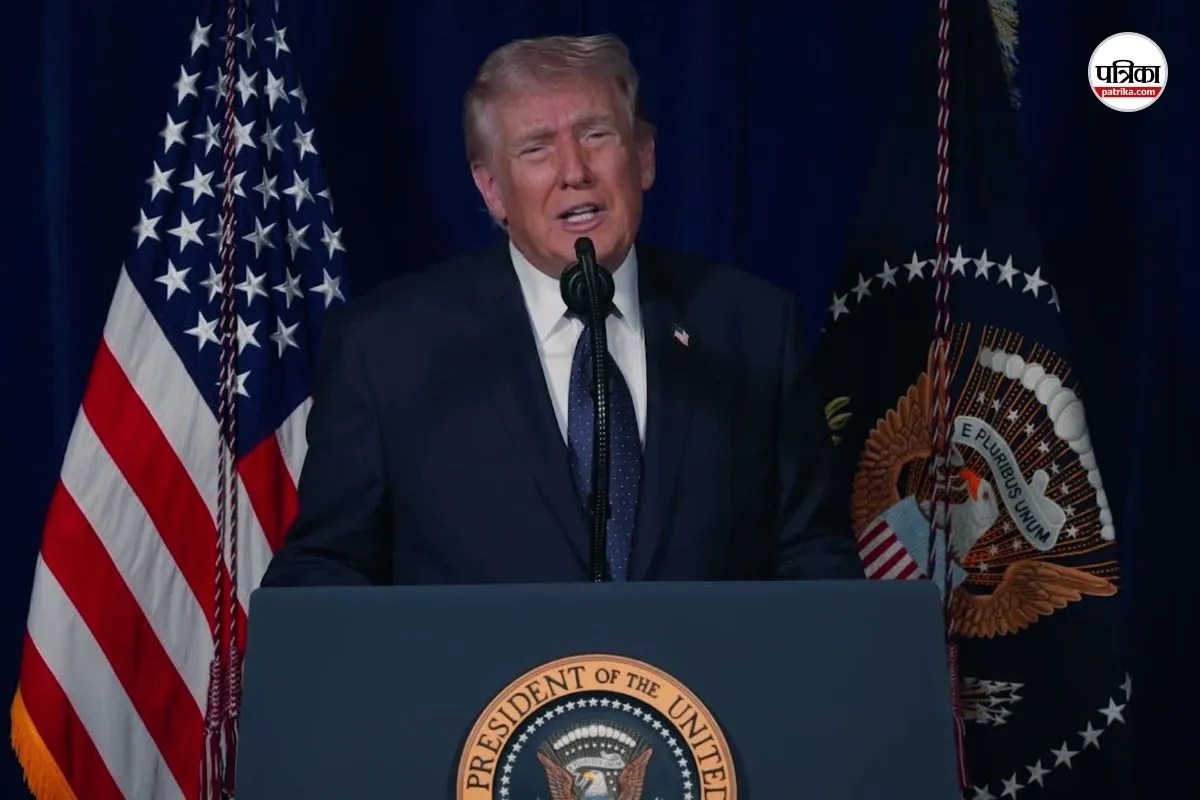
The headlines are screaming in a panic. Donald Trump says he doesn't care about gas prices in the context of a potential strike on Iran’s nuclear or energy infrastructure. The mainstream media is clutching its collective pearls, calculating the "misery index" and predicting a global recession.
They are looking at the wrong map.
The "lazy consensus" suggests that cheap oil is the lifeblood of a healthy economy. That is a 1970s delusion. In reality, the artificially suppressed energy prices we’ve enjoyed for the last decade have acted as a sedative, stalling genuine innovation and keeping the West tethered to the whims of theocratic regimes. If oil hits $150 or $200 a barrel because of a geopolitical tectonic shift, it isn't a tragedy. It’s a mandatory stress test.
The Myth of the "Price at the Pump" Election
Every political analyst talks about $4-a-gallon gas as if it’s the Four Horsemen of the Apocalypse. It’s not. For the American consumer, the cost of energy is a psychological hurdle, not a structural one. We spend more on streaming subscriptions and overpriced lattes than the marginal increase in a weekly tank of fuel.
When Trump signals a "fire and fury" approach to Iran regardless of the Brent Crude index, he isn't being reckless. He is acknowledging a brutal truth: Energy independence is a myth as long as you are trying to keep the price low. You can have cheap oil, or you can have a dismantled Iranian nuclear program. You cannot have both.
The markets hate uncertainty, but they love necessity. High prices are the only mechanism powerful enough to force the massive capital reallocation required to finally exit the fossil fuel era. As long as gas is cheap, nobody builds the infrastructure of the future with any sense of urgency.
Why a Supply Shock is the Best Thing for Silicon Valley
We’ve seen this movie before. In 2008, when oil flirted with $147 a barrel, the "experts" said the airline industry would vanish. Instead, we got the most fuel-efficient fleet in history. We got the birth of the modern EV movement.
The current stagnation in green tech and modular nuclear power is a direct result of "affordable" fossil fuels. If Trump triggers a supply shock by removing Iranian oil from the board, he does more for the energy transition in six months than a hundred climate summits do in a decade.
- Capital Flight: Money doesn't disappear; it moves. High oil prices make the ROI on localized fusion research, advanced geothermal, and solid-state batteries look like a gold mine.
- The Fracking Floor: American shale producers have a "break-even" point. When prices are too low, they stop drilling. When prices skyrocket, the Permian Basin becomes the most valuable real estate on earth.
- Grid Modernization: We don't fix the grid because it's expensive. We will fix it when the alternative—relying on a global supply chain controlled by erratic dictators—becomes more expensive.
The Geopolitical Correction We Refuse to Face
Iran has used the "oil weapon" as a shield for forty years. They bank on the West’s cowardice regarding inflation. By stating plainly that he doesn't care about the price, Trump is effectively disarming the only leverage Tehran has left.
If you are a logistics manager or a CEO, you’ve been coddled. You’ve built "just-in-time" supply chains that rely on the Strait of Hormuz staying open and peaceful. That was a gamble, not a strategy. I’ve seen companies burn through billions because they assumed the status quo was a law of physics. It’s not. It’s a fragile agreement that is currently being shredded.
The Brutal Reality of the "Petrodollar" Ghost
People often ask: "Won't this destroy the dollar?"
Actually, the opposite is true. A high-energy-price environment driven by American hawkishness reasserts the dollar as the only safe haven. When the world is on fire, you don't buy the Iranian Rial or the Russian Ruble. You buy the currency of the guy who owns the biggest stick.
The "Petrodollar" is evolving. It is becoming the "Powerdollar." The value is no longer just in the commodity itself, but in the security of the supply chain. If the US can prove it can endure a price spike while its enemies' economies collapse under the weight of sanctions and kinetic strikes, the US hegemony is tightened, not loosened.
The Inflation Boogeyman is a Lie
Let’s dismantle the biggest lie in the competitor's narrative: that oil prices are the sole driver of inflation.
In the 2020s, inflation is driven by fiscal policy, labor shortages, and housing supply—not just the cost of a barrel of crude. We’ve had high oil with low inflation and low oil with high inflation. The correlation is decoupling.
If Trump allows prices to rise to neutralize a nuclear threat, he is trading a temporary spike in consumer goods for a permanent reduction in global risk. It’s a macro-hedge. Anyone who can't see that is still playing checkers while the board has moved to 3D chess.
Stop Asking if Gas Will Be Cheap
The question isn't whether you’ll pay $5 a gallon next summer. The question is whether you want to live in a world where the global energy market is held hostage by a regime that views your destruction as a religious mandate.
If you can't afford the extra $20 at the pump to ensure a nuclear-free Middle East, you aren't an investor or a citizen—you’re a hostage. Trump’s "lack of concern" isn't apathy; it's a declaration of independence from the most successful blackmail scheme in modern history.
Prepare for the spike. Hedge your portfolios. Buy the innovators who thrive on high-input costs. The era of cheap, blood-soaked oil is over, and if it takes a massive price surge to wake up the sleeping giants of Western industry, then let it burn.
Stop whining about the price of the fuel and start looking at who owns the refinery. The transition won't be "seamless" or "holistic." It will be violent, expensive, and absolutely necessary.
Go check your exposure to energy-dependent logistics. If you're still betting on "stability," you've already lost.