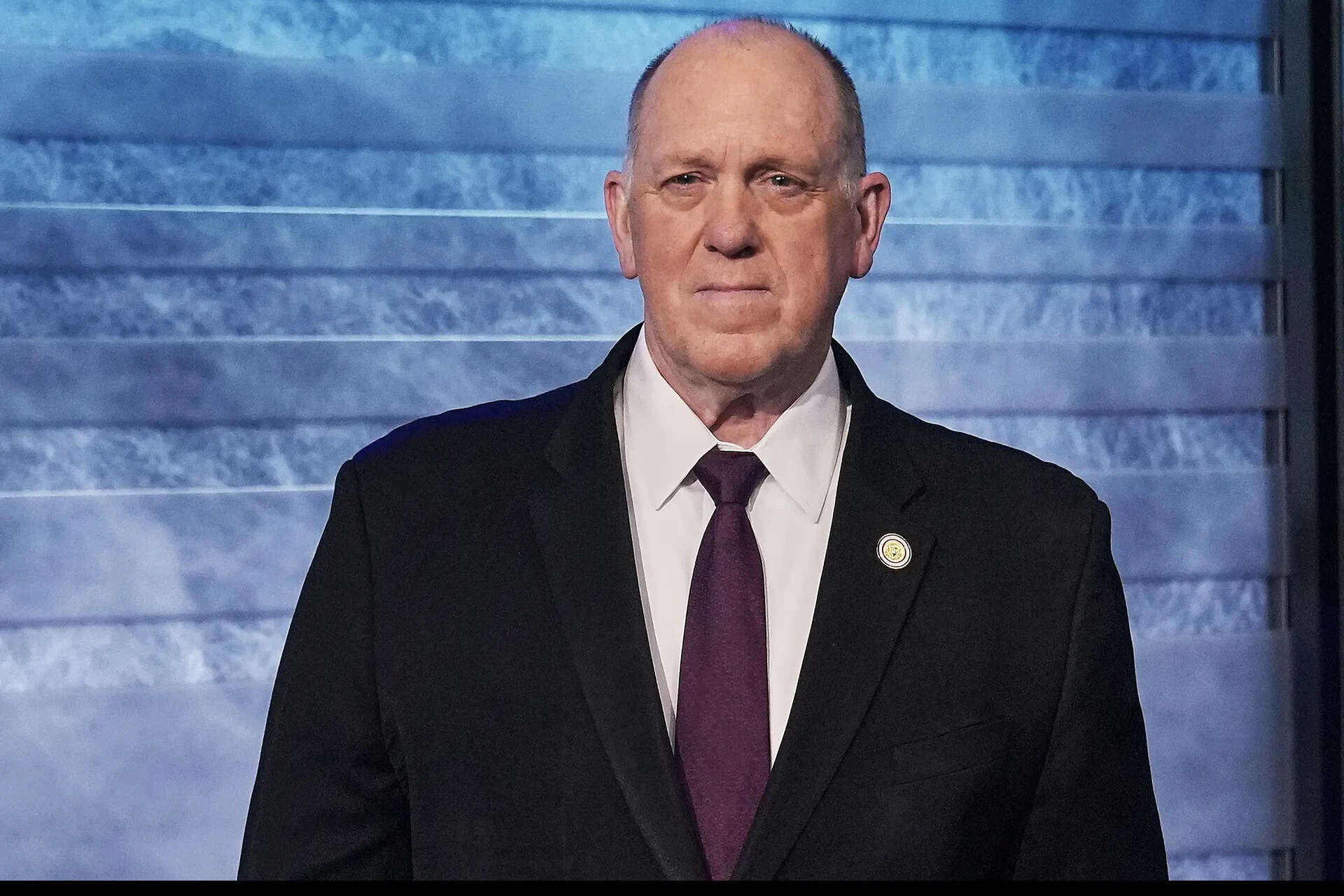
The American aviation security system is currently cannibalizing itself. As of March 22, 2026, the Department of Homeland Security (DHS) shutdown has entered its sixth week, leaving Transportation Security Administration (TSA) officers without pay and pushing the nation’s airports toward a total operational collapse. In a desperate and highly controversial maneuver, the administration is now deploying Immigration and Customs Enforcement (ICE) agents to major hubs like Atlanta, Houston, and Chicago. While "Border Czar" Tom Homan insists these officers are "well-trained" and ready to serve as a force multiplier, the move ignores a fundamental reality: an ICE badge is not a substitute for the specialized technical expertise required to keep a Boeing 737 from becoming a weapon.
This isn't just about long lines or missed flights. It is a fundamental breakdown of the layers of security that have defined American travel for a quarter-century.
The Shell Game of Airport Security
The strategy being implemented this Monday is a logistical shell game. The administration’s plan is to take ICE agents—officers trained primarily in fugitive operations, investigations, and tactical arrests—and place them in roles currently held by TSA personnel. Homan argues that by having ICE agents monitor exit lanes and verify passenger identifications, the "expert" TSA screeners who haven't yet quit or called out sick can be funneled back to the X-ray machines.
But this assumes that security is merely a matter of "standing guard." In reality, a TSA officer at an exit lane or an ID podium is the first line of behavioral detection. They are trained to spot the "tell"—the subtle physiological cues of a traveler with intent to harm. ICE agents, while highly capable in high-stress tactical environments, operate under a completely different mandate. They are hunters; TSA is a filter. Forcing the hunter to act as a filter in a crowded civilian terminal creates a friction that the system was never designed to handle.
Why the TSA is Bleeding Out
The numbers coming out of DHS are staggering. Since the shutdown began on February 14, over 400 TSA officers have officially resigned. In Houston alone, more than 50% of the scheduled staff were absent this past Sunday. The reason is painfully simple: you cannot pay rent with a sense of patriotic duty.
- Financial Exhaustion: Many officers are living paycheck to paycheck. Reports have surfaced of agents sleeping in their cars or selling blood plasma to afford the gas required to drive to a job that isn't paying them.
- The Morale Death Spiral: As more officers quit, the workload on those remaining doubles. This leads to burnout, more "blue flu" call-outs, and a further degradation of security standards.
- The Private Sector Pull: Trained security professionals are currently being poached by private firms offering signing bonuses and, crucially, a guaranteed Friday paycheck.
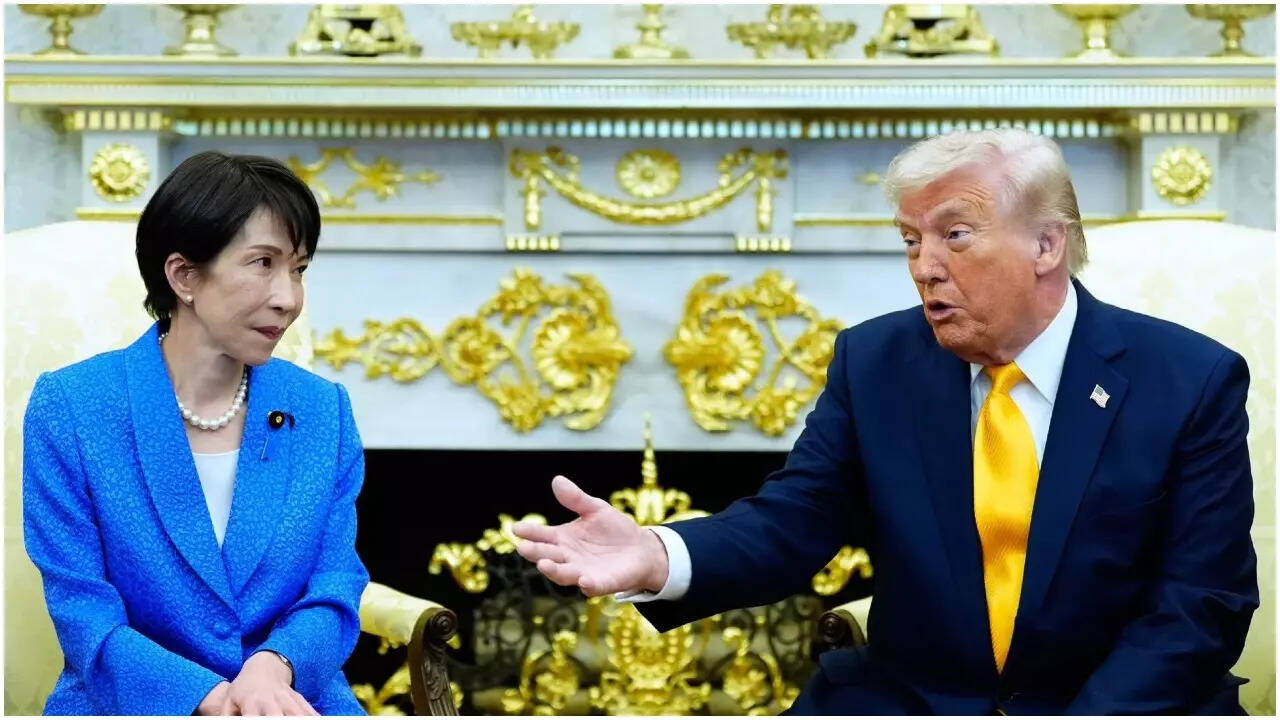
The administration’s response to this bleeding is to bring in the heavy hand of ICE. President Trump has framed this as an opportunity to conduct "security like no one has ever seen before," even suggesting that these agents will use their presence at airports to conduct targeted immigration enforcement, specifically mentioning an emphasis on Somalian immigrants. This pivot shifts the airport from a zone of transportation to a zone of active domestic enforcement, a transition that has travel industry advocates and civil rights groups sounding the alarm.
The Skill Gap Homan Refuses to Acknowledge
During a recent appearance on CNN’s "State of the Union," Tom Homan was dismissive of concerns regarding ICE’s lack of specialized aviation training. He asked rhetorically, "How much of a plan does it mean to guard an exit?"
This line of reasoning is dangerously reductive. Aviation security is a cohesive ecosystem. An ICE agent at an exit might be "well-trained" in the use of a firearm or the execution of a warrant, but they are not certified in the Standard Operating Procedures (SOP) that govern a sterile airport environment. If an incident occurs at a checkpoint—a suspected explosive, a breach of the perimeter, or a medical emergency—the response must be instinctive and synchronized. Introducing a secondary agency with a different chain of command and a different set of priorities into the middle of a high-volume screening operation is a recipe for catastrophic confusion.
The Political Standoff Behind the Chaos
The deployment of ICE is, at its core, a political lever. By placing immigration officers in the most visible public spaces in America—airport terminals—the White House is attempting to force the hands of Congressional Democrats who have refused to fund DHS without significant changes to ICE’s enforcement protocols.
Senate Majority Leader Chuck Schumer has remained firm, offering to fund the TSA separately to "end the chaos" while continuing to debate the broader immigration budget. The administration has rejected this "piecemeal" approach, effectively using the travel plans of millions of Americans as collateral in a high-stakes budgetary war. The result is a travel environment where wait times in Atlanta have stretched to 153 minutes, and smaller regional airports are facing the very real threat of total closure.
Operational Realities on the Ground
For the traveler heading to the airport this week, the experience will be unrecognizable. You will likely see ICE agents in tactical gear standing alongside the familiar blue-shirted TSA officers.
- Arrive Four Hours Early: This is no longer a suggestion; it is a necessity for survival at major hubs.
- Unpredictable Enforcement: While Homan says ICE won't be running X-rays, the President has explicitly stated that immigration checks are on the table. This means the time spent at the document verification podium could skyrocket if agents decide to "interrogate" travelers.
- Security Gaps: With an exhausted, skeleton crew of TSA veterans and a rotating cast of ICE "helpers," the probability of a prohibited item slipping through the cracks increases exponentially.
The aviation industry operates on the "Swiss Cheese Model" of security—multiple layers, each with holes, but aligned so that no single hole goes all the way through. By replacing a core layer of that cheese with a completely different material, the administration isn't just changing the look of the checkpoint; it is potentially aligning the holes for a disaster.
The irony of the current situation is that the very people tasked with "securing" the country are the ones most weakened by the government’s inability to function. An ICE agent can stand at a gate, and they can certainly "guard an exit," but they cannot replace the specialized institutional knowledge that is currently walking out the door of every airport in America. As Monday's deployment begins, the nation is about to find out exactly what happens when political theater takes precedence over technical proficiency.
Check your flight status and your patience before leaving the house. The "security like no one has ever seen before" has arrived, and it looks a lot like a system on the verge of a nervous breakdown.
Would you like me to analyze the specific legal challenges being filed by airline unions against this ICE deployment?