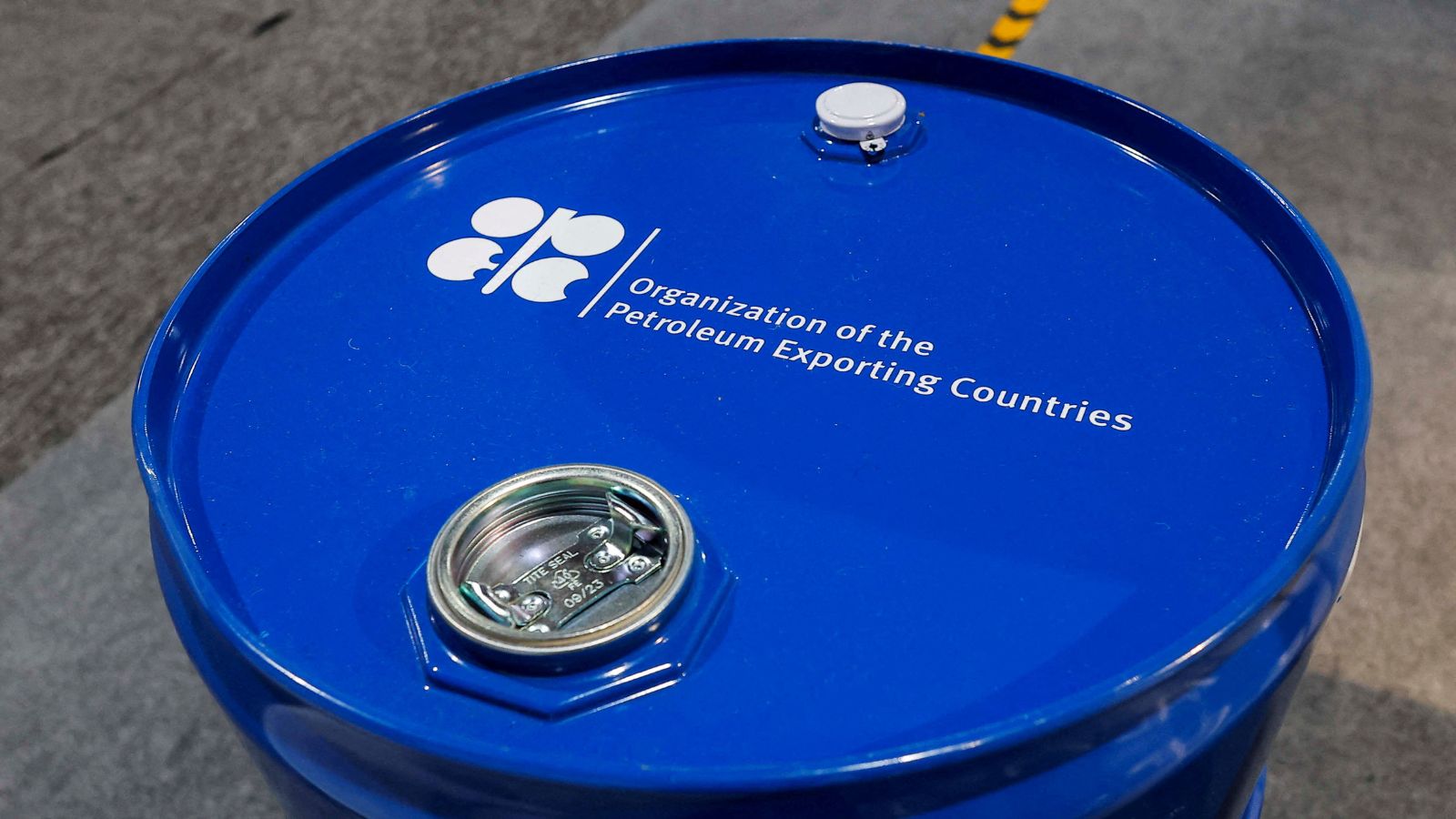
The United Arab Emirates just dropped a bombshell on the global energy market. Effective May 1, 2026, the UAE is officially out of OPEC and the wider OPEC+ alliance. This isn't just another diplomatic spat or a minor policy shift. It's a fundamental break in the world's most powerful oil cartel, coming right when the global economy is already reeling from the worst energy crisis in decades.
If you’re wondering why this is happening now, look at the math. For years, Abu Dhabi’s been pouring billions into expanding its oil production capacity. They’ve basically built a high-performance engine but were told by Saudi-led quotas that they could only drive at 40 miles per hour. With a production capacity hitting nearly 5 million barrels per day (bpd) and an OPEC quota that’s been stuck far below that, the UAE decided it was tired of being the nice guy.
The timing is incredible. We’re currently in the ninth week of a massive conflict involving the U.S., Israel, and Iran. The Strait of Hormuz—the world’s most critical oil chokepoint—is effectively blocked. This isn't a "drill"; it's the largest supply disruption in history.
The Hormuz Trap and the UAE Escape Plan
Most people don't realize how much the Strait of Hormuz matters until it’s closed. Roughly 20% of the world’s oil and LNG passes through that tiny strip of water. When Iran and the U.S. started their maritime standoff, that oil got stranded. Brent crude didn't just go up; it shot past $120.
The UAE has a unique advantage here. Unlike Kuwait or Iraq, which are totally dependent on the Strait, the UAE has the Habshan-Fujairah pipeline. This 230-mile straw lets them bypass the Strait entirely, moving 1.5 million barrels a day directly to the Gulf of Oman. By leaving OPEC now, they aren't just gaining freedom from quotas; they're positioning themselves as the only reliable "swing" producer that can actually get its product to the global market without sailing through a war zone.
Why the Saudi Alliance Cracked
The "bromance" between Abu Dhabi and Riyadh has been on thin ice for a while. It’s not just about oil. It’s about a direct competition for who gets to be the economic hub of the Middle East. Saudi Arabia’s Crown Prince Mohammed bin Salman is pushing "Vision 2030," trying to force multinational companies to move their headquarters to Riyadh. The UAE, which has spent decades making Dubai the regional king of business, isn't just going to sit back and watch.
- Production Quotas: UAE wants to pump 5 million bpd; OPEC wanted them to stay closer to 3 million.
- Geopolitics: UAE feels the regional response to recent security threats has been weak.
- Economic Strategy: Abu Dhabi wants to "monetize" its oil now while demand is still high, rather than leaving it in the ground for a "green" future that might not value it as much.
What This Means for Your Wallet
Don't expect gas prices to drop tomorrow. In the short term, the UAE's exit won't magically fix the blockade in the Strait of Hormuz. Supply is still incredibly tight. However, in the medium term, this is bad news for the "high price" camp.
Once the UAE is free from OPEC constraints, they’re going to pump. They’ve already stated they’ll bring production to market in a "gradual and measured" way, but that’s just diplomatic speak for "we’re increasing our market share." When the third-largest producer in a cartel decides to go rogue, the cartel’s ability to artificially prop up prices evaporates.
[Image showing the oil production capacity of UAE versus other OPEC members]
The "OPEC Premium"—the extra price we pay because a cartel limits supply—is officially under threat. If Iraq or Kuwait follows the UAE out the door, OPEC becomes nothing more than a social club for oil ministers.
The Trump Factor and the U.S. Lifeline
It’s no secret that Donald Trump has been a vocal critic of OPEC. He’s called it a "rip-off" for years. The UAE’s exit is a massive win for his administration's "Energy Dominance" policy.
There are reports that the U.S. has even discussed a financial lifeline for the UAE—a currency swap agreement to ensure their economy stays stable if the Middle East crisis gets even uglier. This signals a massive shift in loyalty. The UAE is effectively trading its seat at the OPEC table for a closer, more strategic alliance with Washington.
The End of the Cartel Era
We are watching the structural decline of OPEC in real-time. First, it was Qatar leaving in 2019 to focus on gas. Then Angola walked away in 2024 over a production dispute. Now the UAE, a heavyweight, is gone.
The reality is that "energy unity" is a myth when everyone’s trying to fund their own expensive domestic transitions. The UAE realizes that the world is moving toward renewables, and they want to sell every last drop of oil they can while it still has a $100 price tag. They're done subsidizing the inefficiencies of other OPEC members.
If you're an investor or just someone concerned about the global economy, keep your eyes on the Habshan-Fujairah pipeline. The UAE's ability to bypass the Hormuz crisis while being free from OPEC production caps makes them the most important player in the energy market right now.
Forget the old "OPEC vs. The West" narrative. The new world order is about every producer for themselves. Watch the export volumes from Fujairah over the next 30 days. If the UAE ramps up production while the rest of the Gulf is locked behind a blockade, they won't just be a "reliable supplier"—they'll be the ones holding the keys to the global economy.
Don't wait for the official press releases to tell you the market has changed. Look at the shipping data and the infrastructure. The UAE is betting big on its independence, and in a world where the Strait of Hormuz can be shut down in a weekend, that bet looks smarter every day.