The UK government just slammed the brakes on a massive green energy deal, and honestly, it’s a mess. We’re talking about a £1.5 billion investment from the Chinese wind giant Ming Yang that was supposed to turn a site in Ardersier, Scotland, into the world’s largest wind turbine manufacturing hub. 1,500 jobs? Gone. A massive leap toward Net Zero? Stalled. All because of "national security" concerns that the government won’t fully explain.
If you’re wondering why a few wind turbines in the North Sea are suddenly being treated like a fleet of spy planes, you aren't alone. This isn't just about big blades spinning in the wind. It’s about the software inside them, the data they collect, and who has the "kill switch" for the British power grid.
The Problem With "Smart" Turbines
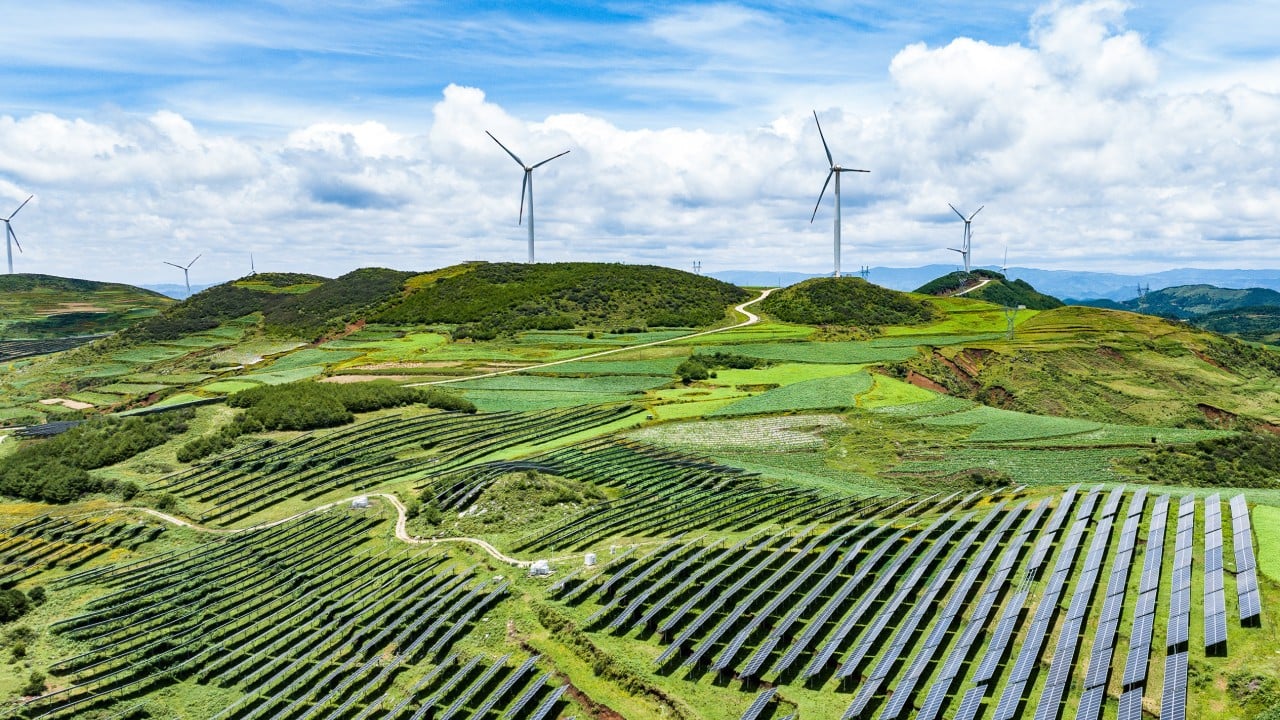
Modern wind turbines aren't just mechanical fans. They’re sophisticated data centers on stilts. They monitor wind patterns, structural stress, and energy flow in real-time. To do this, they use complex control systems that require constant remote access for maintenance and software updates.
The UK’s security services, and reportedly their allies in Washington, have been whispering about this for months. The fear is pretty straightforward: if a company answerable to the Chinese Communist Party (CCP) builds and maintains our energy infrastructure, they have a back door.
Think about what happens if that access is weaponized. A remote command could theoretically shut down entire sections of the offshore grid during a period of high demand. Even without a "kill switch," the sensors on these turbines are perfectly positioned to monitor movements in the North Sea—including the Royal Navy’s submarine routes.
Scotland is Fuming
While London talks about espionage, Edinburgh is looking at the unemployment line. First Minister John Swinney didn't hold back, calling the decision "sabotage." For the Scottish government, this was a golden ticket. Ardersier was meant to be the heart of a "just transition" away from oil and gas.
Instead, the rug was pulled out just as the Scottish Parliament went into recess for the upcoming election. The timing feels political, and the lack of a clear technical explanation has left Scottish officials "bewildered." They’ve been waiting 18 months for a "yes" or "no," and getting a "no" via a press release isn't exactly a masterclass in inter-government cooperation.
The Net Zero Conflict
Here is the uncomfortable truth nobody wants to admit: we need China if we want to hit our climate goals by 2030. China currently dominates the renewable energy supply chain. They build turbines faster and cheaper than anyone else.
By blocking Ming Yang, the UK has effectively chosen security over speed and cost.
- Higher Prices: Without the competition from Chinese manufacturers, the cost of offshore wind projects will likely stay high.
- Supply Bottlenecks: Companies like Vestas and Siemens Gamesa are already struggling to keep up with global demand.
- Missed Targets: Removing a major player from the field makes the 2030 clean power mission look more like a fantasy than a roadmap.
A New Era of Energy Nationalism
This isn't an isolated incident. We’re seeing a fundamental shift in how Western nations view the "green" transition. It used to be about the planet; now it’s about the supply chain. The National Security and Investment Act (NSIA) gives the UK government massive power to pick and choose who gets to build what, and they’re increasingly using it to shut China out of critical infrastructure.
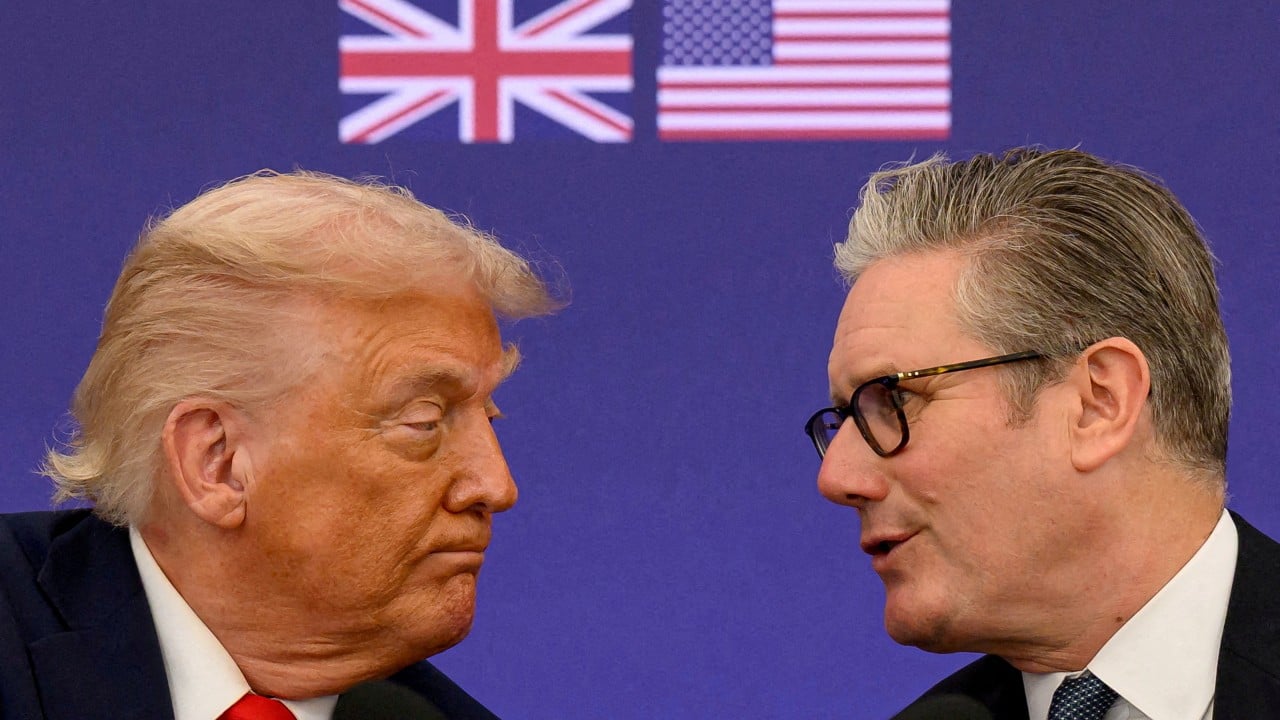
Just months ago, Prime Minister Keir Starmer was in Beijing trying to "thaw" relations and encourage investment. This latest move shows that the "thaw" only goes so far. You can invest in UK retail or real estate, but stay away from the plugs and wires.
What This Means For You
If you’re an investor or someone working in the renewables sector, the rules have changed. We’ve entered a "de-risking" phase where "cheap" doesn't win if it comes from China.
The immediate next step is for the UK to find a replacement for those 1,500 jobs and that £1.5 billion investment. If we don’t, we’re just trading energy security for economic decline. Watch the Scottish government closely—they’re likely to push for more domestic subsidies to fill the gap left by Ming Yang.
Keep an eye on whether companies like Vestas or Siemens announce their own expansion in Scotland. If they do, it will signal that the UK is successfully swapping Chinese money for Western-made turbines. If they don’t, Scotland’s "just transition" just got a lot more difficult.