Russia is the ultimate gas station masquerading as a country. Yet, right now, it's buying petrol from India. Think about that for a second. One of the planet's biggest crude oil producers is facing such a brutal domestic fuel shortage that it's relying on a country thousands of miles away to keep its own cars running.
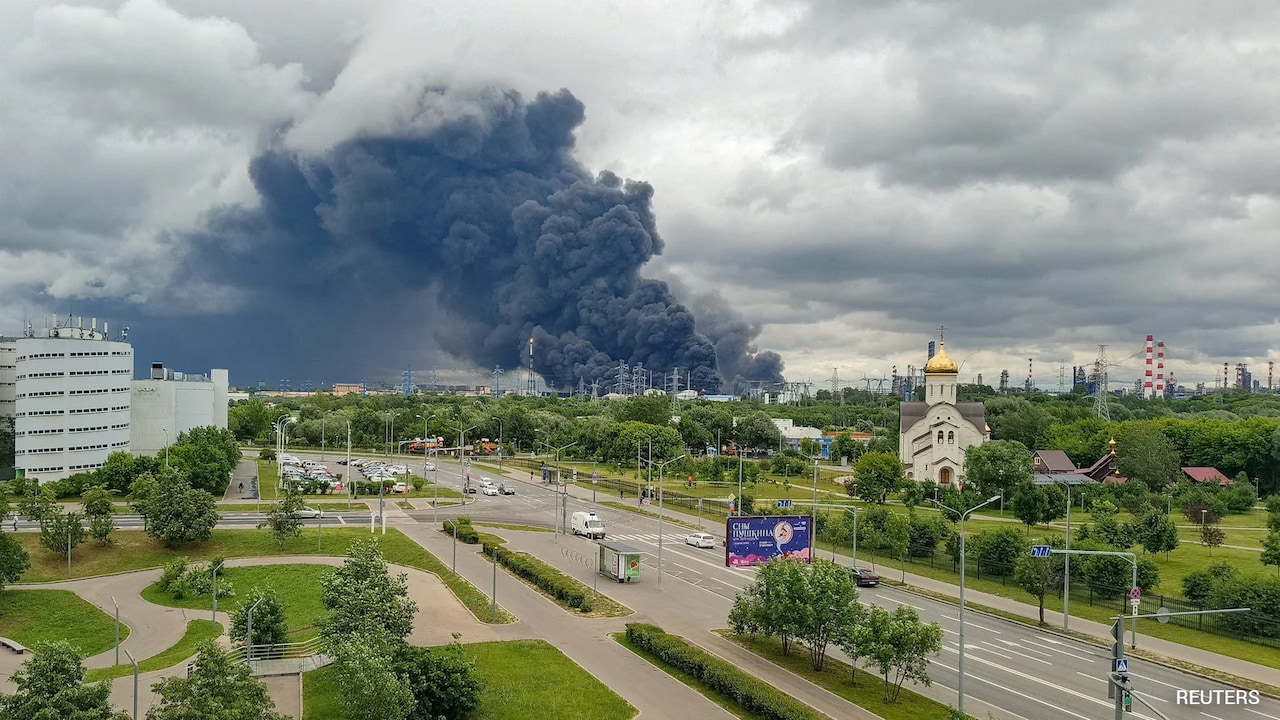
The script flipped because of Ukraine’s relentless long-range drone campaign. Kyiv isn't just trying to score symbolic victories anymore. They're systematically dismantling Russia's refining capacity. Drones have flown deep into Siberia, striking the massive Omsk refinery over 2,500 kilometers away. With all 11 of Russia's largest refining hubs now hit at least once, the Kremlin is looking at an estimated 17% drop in petrol production.
If you think this is just a regional European problem, you're missing the bigger picture. This crisis directly involves Indian refiners, global shipping routes, and your wallet.
The Wild Irony of the New Oil Loop
The mechanics of this trade loop border on the absurd. For the past few years, India has been gorging on heavily discounted Russian crude oil, turning it into refined products like petrol and diesel, and selling it to the West. Now, Indian refiners are sending that very petrol right back to Russia.
Reuters tracked at least 60,000 metric tons of Indian gasoline loaded onto tankers bound for Russian ports. Moscow plans to bring in around 400,000 tons of fuel a month from various suppliers to patch its deficit. While Indian Oil Minister Hardeep Singh Puri denies direct state-to-state sales, he openly admits that Indian-origin fuel is likely reaching Russia through third-party traders.
Look closely at who's doing the heavy lifting here. It’s private refiners like Nayara Energy. Rosneft owns 49% of Nayara. Because of that heavy Russian ownership, Western sanctions essentially locked Nayara out of European markets. So, what did they do? They doubled down on processing cheap Russian crude. Now, in a twist of corporate destiny, they're perfectly positioned to ship refined petrol back to a desperate mother Russia.
Why Russia Can't Just Fix the Damage
You might wonder why a superpower can't patch up a few broken pipes and distillation columns. The answer lies in the highly specialized nature of modern oil refining.
Russia's most advanced facilities, like the TANECO and TAIF-NK plants in Tatarstan, rely on complex Western components for hydrocracking and catalytic cracking. Thanks to strict technology sanctions, the Kremlin can't easily source the high-tech valves, chips, and custom machinery required to repair these units.
Instead of quick fixes, Russia is dealing with long-term operational paralysis. The Ryazan refinery has seen major processing units completely suspended. The Kstovo refinery lost over half its capacity in a single strike. This isn't a temporary hiccup; it's a structural bottleneck that is forcing Moscow to ration fuel inside occupied Crimea, subsidize foreign fuel imports, and consider rolling back emissions standards just to keep local engines from seizing.
The High-Stakes Gamble for Indian Refiners
For India, this chaos is both a massive cash cow and a geopolitical tightrope walk. Indian refiners have made billions arbitrage-trading Russian crude. But as Russia transitions from a crude exporter to a product importer, the dynamics are getting incredibly messy.
- Squeezed Discounts: As Russian refining capacity drops, Russia has more raw crude it can't process domestically. You’d think that means more cheap crude for India. But Russia is also cutting total oil production to stabilize its state budget, meaning those steep discounts India enjoyed might start to dry up.
- The Sanctions Trap: Washington and Brussels are watching these new fuel flows like hawks. While buying crude is legal under the current price-cap mechanism, actively supply-lining Russia with finished fuel to prevent a domestic crisis risks crossing a dangerous political line.
- Logistical Headaches: Shipping finished petrol requires different tankers and handling than raw crude. The sudden shift in maritime routes—evidenced by tankers like the Agni changing destinations mid-voyage—is tying up shipping capacity and driving up freight insurance costs.
What This Means for Your Wallet
If you’re managing supply chains or tracking energy markets, stop looking at headline crude prices and start looking at refined product spreads. The drone blitz highlights that crude availability doesn't matter if you can't turn it into fuel.
We are entering a period of heightened volatility for global diesel and petrol prices. If Russia is forced to absorb more Asian and Indian fuel production to satisfy its internal market, that leaves less supply for Europe and Africa. Tight structural supply always leads to sudden price spikes at the pump.
If you are exposed to energy costs, your next moves shouldn't rely on the assumption of cheap, steady oil flows. Diversify your fuel procurement timelines. Lock in long-term supply contracts now before winter demand spikes, and keep a very close eye on the widening price gap between raw crude oil and refined petroleum products. The global energy map has been fundamentally redrawn, and there's no going back to the old playbook.


